24.12.2025
Smart grid: the extraordinary benefits that are transforming today’s power grid
How smart grids work and why they’re becoming essential for the future of energy.
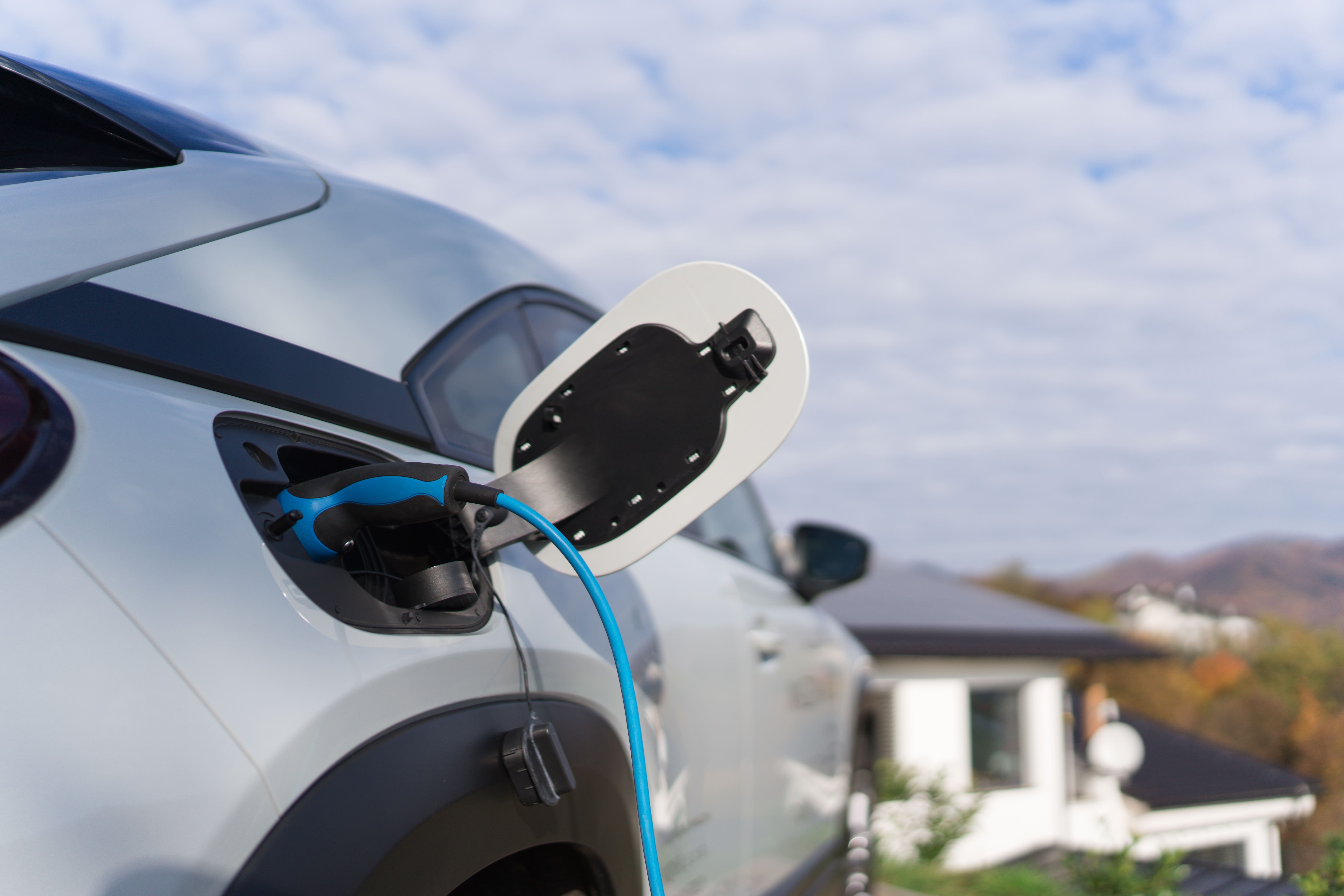
Over the past few years, the way we produce and use energy has been changing at an incredible pace. And that’s no exaggeration: with solar panels, batteries, electric cars, and increasingly aware consumers, the traditional power grid simply isn’t enough anymore. It was designed for a completely different world, one with a few large power plants pushing electricity in a single direction, towards those who consumed it.
Today, however, anyone can generate energy, share it, store it, and even exchange it with others. This is where smart grids come into play, true “intelligent networks” capable of adapting, predicting consumption, reacting to changes, and making the most of digital technologies. In short, they’re the foundation of a modern energy system: more flexible, more efficient, and far better suited to the way we live today.
What smart grids are and how they differ from the traditional grid
A smart grid isn’t just a regular power grid with a few extra sensors. It’s an advanced system that combines technology, digital communication, and intelligent energy management. The most obvious difference from the traditional grid lies in the energy flow: no longer one-way, but two-way. A user is no longer just someone who takes electricity, they can also produce it and feed it back into the grid. From simple consumers, they become prosumers.
Within this new grid, there are four key players:
Producers, increasingly based on renewable sources like solar and wind.
Distributors, who coordinate and stabilize the entire system.
Consumers, who now have tools to monitor and control their energy use.
Prosumers, who actively contribute to energy flows through home solar systems.
In short, a smart grid is a power network that “thinks”: it adapts flows, optimizes production and consumption, and improves the energy experience for everyone.
Core components of smart grids and modern energy infrastructures
Smart grids operate thanks to a mix of digital technologies and physical infrastructure working together continuously.
Measurement and monitoring technologies
Smart meters are the starting point: they measure consumption and production in real time.
IoT sensors collect information on voltage, load, temperature, and power quality, while systems like SCADA and PMU give operators centralized control that would’ve been unthinkable just a few years ago.
Communication networks
A smart grid is essentially a network that’s constantly “talking.” Through advanced protocols, fast connections, and cloud- or edge-based platforms, all this data is collected, analyzed, and turned into operational decisions.
Control systems
Software and predictive algorithms form the heart of the system: they analyze energy flows, anticipate peaks, optimize distribution, and trigger automatic functions that enhance stability and efficiency.
It’s like having a 24/7 operator ready to step in within milliseconds.
Physical infrastructure
The grid includes:
next-generation digital inverters,
home and industrial battery storage systems,
remotely managed photovoltaic systems.
Together, they create a living, dynamic network.
How smart grids work and advanced load management
It may seem complicated at first glance, but the idea is simple: gather information and use it to optimize every part of the system.
Data collection and analysis
Every connected device sends information back to the grid. These data points make it possible to understand, for example, whether a neighborhood is consuming more than expected or if a solar array is under-producing due to cloud cover.
Bidirectional communication
The grid doesn’t just receive data, it sends it too. For instance, a charging station can be “instructed” to reduce power during peak hours and increase it when the grid is less overloaded.
Smart demand management
Tools like demand response, load shifting, and peak shaving help:
shift consumption to more convenient times,
avoid sudden overloads,
reduce costs and waste.
Renewable energy integration
Today’s energy mix relies heavily on variable renewable sources. The smart grid forecasts upcoming production, coordinates storage, and stabilizes the network when clouds, wind, or temperature suddenly change.
Electric mobility in the smart grid
Smart charging makes it possible to:
automatically adjust charging power,
charge more efficiently,
interact directly with the grid (V2G and V2H).
In the future, it won’t be unusual to see electric cars supplying energy back to homes or the grid during critical periods.
Benefits of smart grids for consumers, businesses, and the power system
For consumers
Smart grids improve day-to-day energy use by offering:
lower bills thanks to more efficient management,
better control over consumption,
optimized use of home solar systems,
smarter, more convenient EV charging.
For businesses
Companies gain clear, tangible advantages:
more stable energy costs,
lower risk of outages,
easier integration of solar and storage systems,
advanced automation for managing equipment and production plants.
For grid operators
Smart grids make the network safer and more reliable:
reduced distribution losses,
better renewable integration,
predictive maintenance,
complete control over energy flows.
Practical applications of smart grids and advanced energy systems
Energy communities
Energy communities are reshaping how we produce and share energy: citizens, companies, and public institutions collaborate to cut costs and reduce waste.
Smart cities
Smart lighting, integrated electric mobility, and energy-efficient public buildings: smart grids are the backbone of tomorrow’s cities.
Industrial sector
Automation, peak reduction, renewable integration, and smart load management help companies operate more efficiently and competitively.
Residential sector
From smart thermostats to home energy management systems, houses are becoming more comfortable, digital, and cost-effective.
Smart grids and the future of energy
There’s no doubt about it: the future of energy will be increasingly distributed, digital, and interconnected. European and Italian regulations are already pushing in this direction, supporting energy communities, emerging technologies, and systems based on AI and predictive algorithms.
Electric mobility will also play a key role: cars will become active elements of the grid, contributing to system stability rather than acting solely as a load.
Smart grids aren’t just another technological upgrade—they represent a real shift in how we design, manage, and experience energy. They make the system stronger, more efficient, more sustainable, and much closer to the needs of those who use it every day. In the coming years, they’ll be one of the pillars of the energy transition and a crucial tool for managing the power systems of the future.
Smart grid FAQ
What is a smart grid?
An intelligent power network that optimizes production, distribution, and consumption using digital technologies.
How does it work?
Through sensors, software, algorithms, and real-time communication that guide energy flows.
What are the main benefits?
Lower costs, higher efficiency, more renewable integration, and a more stable grid.
What do you need to implement one?
Smart meters, communication systems, control software, and modern energy infrastructure.
What role do electric vehicles play?
Beyond smart charging, EVs will eventually be able to feed energy back into the grid through V2G.
Kaufen Sie Ihr EV-Ladegerät
Ein Experte wird dich kontaktieren, um dir die beste Lösung anzubieten.