Jan 14, 2026
Electric car maintenance: the most common mistakes and how to avoid them to ensure autonomy, safety, and longevity.
A comprehensive and up-to-date guide to the maintenance of electric cars: from the most common mistakes to the management of the battery, charging, and essential components, with practical tips to increase range, safety, and longevity of the vehicle.
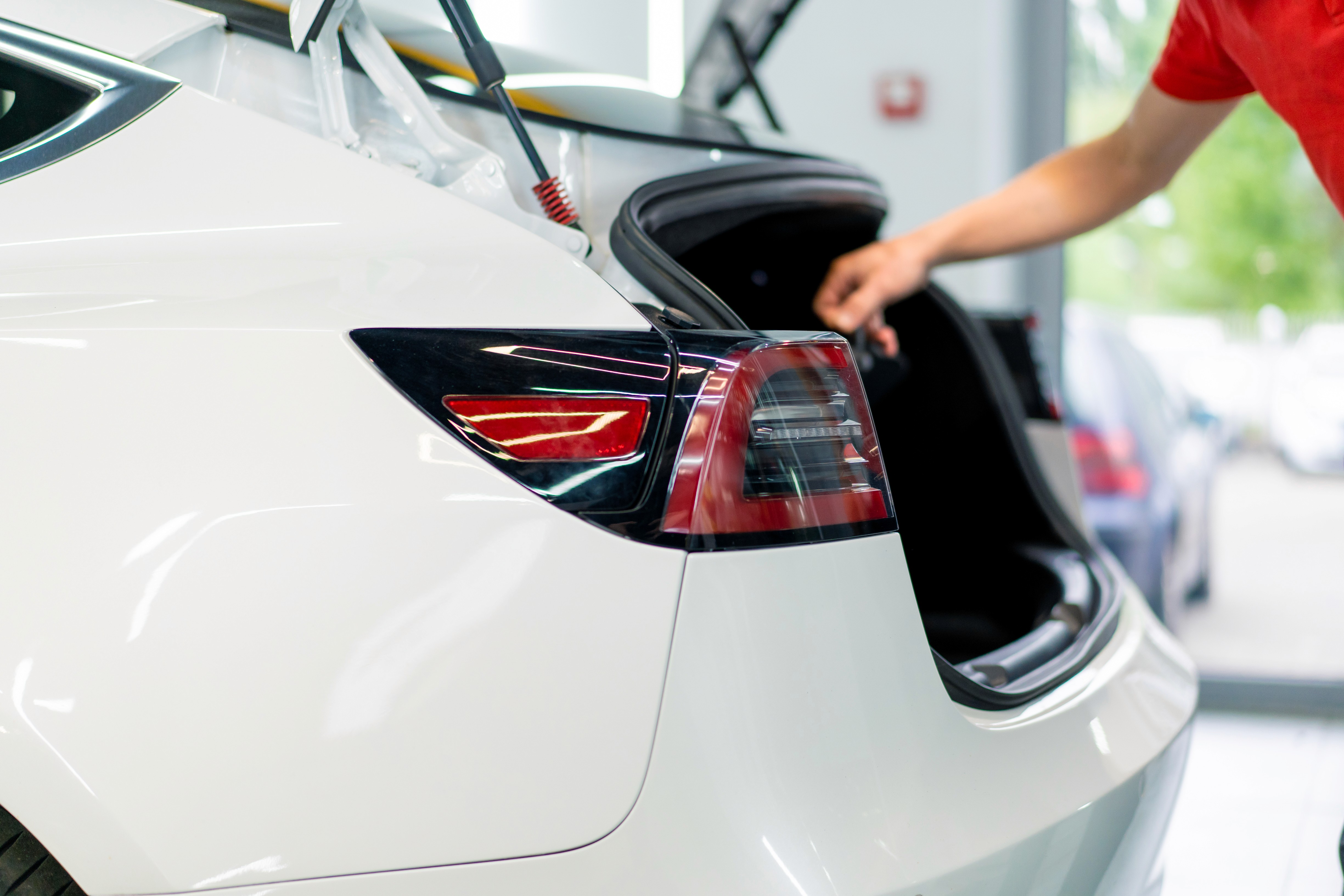
The transition to electric has introduced a new way of understanding daily mobility. Today, more and more drivers discover that an electric car has lower running costs than a traditional vehicle, requires less mechanical intervention, and offers high performance with a reduced environmental impact. However, along with the advantages come new responsibilities: an electric vehicle is not exempt from maintenance and indeed has specific needs that cannot be overlooked.
Many owners make the same mistake: they think that in the absence of engine oil, filters, belts, and heavily worn components, they simply need to charge the car and drive. Yet, the most delicate part — the battery — also represents the technological heart of the car and requires careful attention to preserve range, power, and efficiency over time.
Knowing the correct behaviors and understanding which mistakes to avoid can help reduce costs, increase the vehicle's lifespan, and maintain optimal performance over the years. This guide delves into the most common mistakes, explaining the reasons behind each risk and offering clear solutions based on technical evidence and best practices established in the industry.
Error 1 — Neglecting the health status of the lithium-ion battery
The battery is the most valuable component of an electric car, both from a technical and economic standpoint. It consists of hundreds of lithium-ion cells that work together to provide traction energy. Its state of health (SoH) determines how much real range the car can offer compared to when it was new.
Many users underestimate the importance of preserving the battery over time, convinced that the car's software protects everything by itself. Although battery management systems (BMS) play an essential role, they cannot compensate for incorrect habits that are repeated over a long period.
Why improper battery management is so dangerous
A poorly managed battery can:
lose capacity more quickly
offer less range, especially in winter
generate higher consumption
slow down fast charging
reduce the value of the car in the used market
These are not immediate risks, and that is exactly what makes the mistake insidious: degradation happens slowly, and when one realizes the problem, it is often too late.
Behaviors that accelerate capacity loss
1. Leaving the car discharged for long periods
When the battery falls below 10% and remains in that state for weeks, the voltage of the cells drops to critical levels. In extreme cases, the car may not start again and require workshop intervention.
2. Always charging to 100% even when not needed
The maximum voltage of fully charged cells promotes unwanted electrochemical reactions that accelerate aging. For daily use, 100% is not necessary.
3. Frequently using DC fast charging
High-power charging increases the internal temperature of the battery pack: a determining factor in long-term degradation.
How to truly preserve the battery
Charge regularly between 20% and 80%.
Use 100% only before long trips.
Limit the use of fast charging as much as possible.
Keep the vehicle connected to the wallbox in extreme conditions (frost or heatwaves).
Perform regular SoH checks at the workshop or via official apps.
A properly maintained battery can exceed 300,000 km with minimal capacity losses, ensuring a surprisingly long lifespan.
Error 2 — Skipping scheduled maintenance because 'it's not necessary'
One of the most widespread myths about electric cars is that they do not require maintenance. It is true that the number of parts to be checked is reduced, but this does not mean they can be left to themselves.
Lack of maintenance not only compromises efficiency: it can jeopardize the vehicle's safety.
Which elements require regular checks
1. Battery and inverter coolant
Thermal management is essential for:
protecting the battery from extreme temperatures,
avoiding performance dips,
preventing overheating.
Replacing the coolant at regular intervals keeps the entire system efficient and stable.
2. Air filters and air conditioning
The cabin filter is fundamental for air quality and to avoid overloads on the air conditioning system. A dirty filter increases consumption and worsens comfort inside the car.
3. Suspensions, joints, and steering
Electric cars are generally heavier than their thermal counterparts. This mechanical stress increases wear on the suspensions and metal parts, even though the electric motor does not require maintenance.
Why scheduled maintenance is crucial
Prevents costly breakdowns.
Keeps the vehicle safe and efficient.
Ensures consistent performance over the years.
Allows for the identification of hidden problems through professional diagnostics.
Periodic checks are a long-term investment, not a cost.
Error 3 — Ignoring brake maintenance: regenerative braking is not enough
Regenerative braking is a huge advantage of electric cars. It allows for energy recovery and drastically reduces the use of mechanical brakes. However, this benefit hides a risk: precisely because they are used less, brakes tend to corrode.
Why brakes deteriorate more easily on EVs
The low operational temperature and reduced use expose the components to:
rust
seizing
less smooth operation of the calipers
diminished emergency braking effectiveness
What to do to maintain an efficient braking system
Perform regular mechanical braking (even light).
Carry out an annual cleaning of discs and calipers.
Visually check the state of the brakes at least once every 12 months.
Taking care of the brakes not only increases safety but also reduces the likelihood of costly mechanical interventions.
Error 4 — Ignoring tire condition and their specific wear on EVs
The tires of an electric car are subjected to greater stresses compared to those of a traditional vehicle. The reason is twofold: high weight and instant torque.
Why they wear out more quickly
Weight: the presence of the battery can add 300–500 kg.
Instant torque: the quick start stresses the tread.
Common mistakes in tire management
Not checking the pressure.
Avoiding periodic rotation.
Using tires not optimized for electric vehicles.
Good practices
Check the pressure at least once a month.
Rotate the tires every 10,000–12,000 km.
Consider specific EV tires, designed for range and durability.
Error 5 — Neglecting maintenance of the charging system: socket, cable, and wallbox
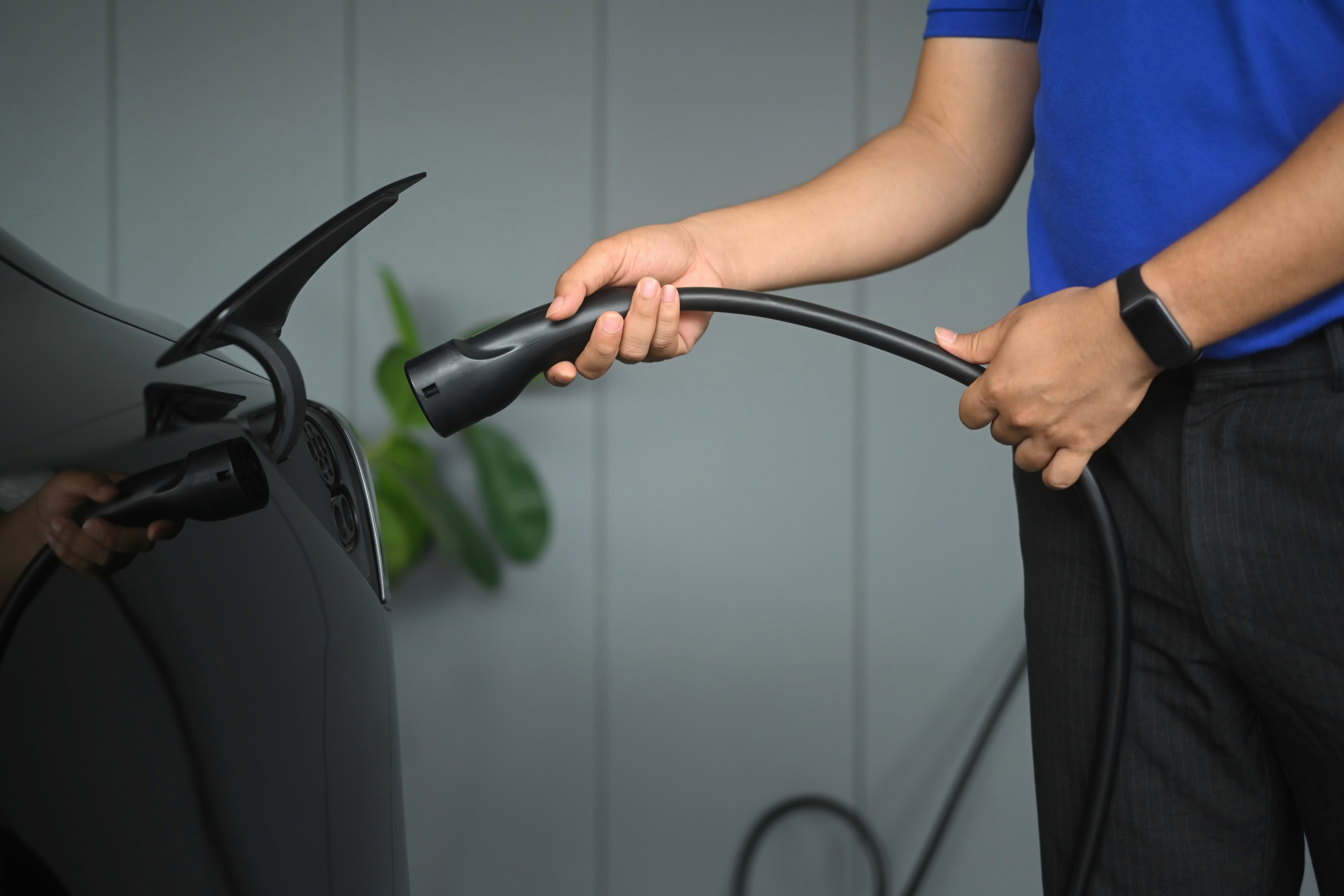
The charging system is not just a simple accessory: it is an integral part of electric car maintenance. Faulty cables and connectors can compromise safety and charging speed.
Frequent mistakes
Using damaged cables or those showing signs of wear.
Leaving sockets exposed to rain or dirt.
Ignoring wallbox anomalies such as overheating or tripping protections.
What to do for safe and efficient charging
Carry out periodic visual checks of the cable and socket.
Perform annual maintenance of the wallbox.
Clean the contacts with specific non-abrasive products.
Good maintenance of the charging system minimizes electrical risks and ensures rapid and stable charging.
Error 6 — Ignoring software updates: the 'digital service' of the electric car
In the world of electric cars, software plays a crucial role just as much — if not more — than mechanical components. It is the software that manages:
the behavior of the battery
the charging curve
energy efficiency
power distribution
active and passive safety
consumption optimization based on environmental conditions
Ignoring updates means giving up on real improvements, including significant ones.
Why software updates are essential
Manufacturers regularly release updates with the aim of:
improving the real range of the vehicle
optimizing thermal management
correcting bugs and malfunctions
introducing additional features (e.g. advanced charging management)
increasing the performance of the infotainment system
improving overall vehicle safety and stability
Many updates are not announced with emphasis, but they profoundly affect daily experience.
Consequences of missed updates
Ignoring updates can cause:
lower energy efficiency
slower recharging than expected
worsening range in winter
malfunctions of ADAS systems
decrease in the car's value in the used market
What to do
Enable OTA (Over-The-Air) updates as the default setting.
Carry out critical updates at official workshops.
Keep the manufacturer's app updated, often used to communicate with the car's software.
Software updates are a form of 'invisible maintenance' that significantly contributes to the health of the electric car.
Error 7 — Not considering factors that influence range and consumption
The range of an electric car is not a fixed value: it is the result of a dynamic balance between usage habits, driving style, external conditions, and maintenance.
Many drivers believe that the reduction in range over time is always the battery's fault. In reality, in most cases, it depends on manageable factors.
1. Extreme temperatures
Lithium-ion batteries do not like either extreme cold or heat.
In winter
The battery loses efficiency.
Regeneration is limited.
Heating the cabin increases consumption.
Preconditioning is essential.
In summer
High temperatures stress the cells.
The air conditioning impacts range.
The cooling system works harder.
A well-preconditioned electric car consumes less and preserves the battery better.
2. Driving style
Accelerate hard, brake hard, accelerate again.
The quickest way to:
consume more energy,
stress tires and brakes,
increase running costs,
reduce range.
A smooth and steady driving style is more effective and preserves the battery over time.
3. Vehicle load and aerodynamics
Every extra kilo counts.
Heavy luggage.
Roof racks permanently attached.
Roof boxes.
Accessories that alter aerodynamics.
All of this can reduce range by 10–15%.
How to maintain stable range
Precondition the car while charging.
Use Eco mode for city driving.
Maintain a smooth driving style.
Reduce excessive weight on board.
Remove roof racks when not needed.
Error 8 — Always using fast charging: a shortcut that costs dearly
DC fast charging is one of the most appreciated innovations by drivers. In just a few minutes, it allows recovering a large amount of energy. However, frequent use can accelerate battery aging.
Why fast charging stresses the battery
The cells reach high temperatures.
The charge curve exerts higher tensions.
The cooling system is pushed to its limits.
The internal chemistry degrades faster.
It's no coincidence that all car manufacturers indicate a limit on the use of fast charging in their maintenance guidelines.
When to use fast charging
While traveling.
In emergencies.
When there’s no option for AC charging.
Recommended charging strategy
AC charging (slow or moderate) for daily use.
DC charging only when necessary.
Charge up to 80% when using fast charging.
Less known but very common mistakes
In addition to the main errors, there are subtler habits that can negatively affect maintenance.
1. Incorrect washes
Using high-pressure jets on sensors and seals can compromise their waterproofing and damage critical systems.
2. Failure to calibrate ADAS systems
ADAS (automatic braking, lane keeping, adaptive cruise) depend on delicate sensors and cameras. Even a simple windshield replacement requires recalibration.
3. Ignored noises and vibrations
Many users believe that 'if an electric car is silent, any noise is normal'.
In reality:
strange creaks
vibrations in the steering wheel
buzzing from under the floor
can indicate real problems with suspensions, bearings, or gear reduction.
How to choose a qualified workshop for electric car maintenance
Entrusting your electric car to a non-specialized workshop is a mistake to avoid.
Electric cars have high operational voltages (400–800 V) and complex electronic systems that require dedicated equipment and expertise.
Characteristics of a truly expert EV workshop
Certified technicians for high voltage.
Diagnostic tools specific for electric systems.
Documented experience in battery and inverter maintenance.
Constant updates according to the manufacturer's guidelines.
Useful questions to ask before entrusting the vehicle
Do you have certified technicians for high-voltage vehicles?
Do you perform battery and SoH diagnostics?
Which EV brands do you maintain regularly?Do you have official software updates?
In case of battery issues, how do you manage the intervention?
A prepared workshop will be able to respond clearly and competently.
EV maintenance is not complicated: it’s different and requires awareness
Electric cars represent one of the most important revolutions in the mobility world, but this innovation brings new responsibilities. Maintenance is simpler but also more strategic: it concerns fewer components but more critical ones, such as the battery, software, and charging system.
With an informed approach and some good habits, an electric vehicle can offer excellent performance for many years, without surprises and with a level of reliability superior to that of traditional vehicles.
Purchase your EV Charger
Our expert will contact you to offer you the most suitable solution for you.