Mar 12, 2026
Charging an electric car at any public charging station: what you really need to know
Connector compatibility, network interoperability, and practical advice for worry-free charging in the city, on the highway, and across Europe.
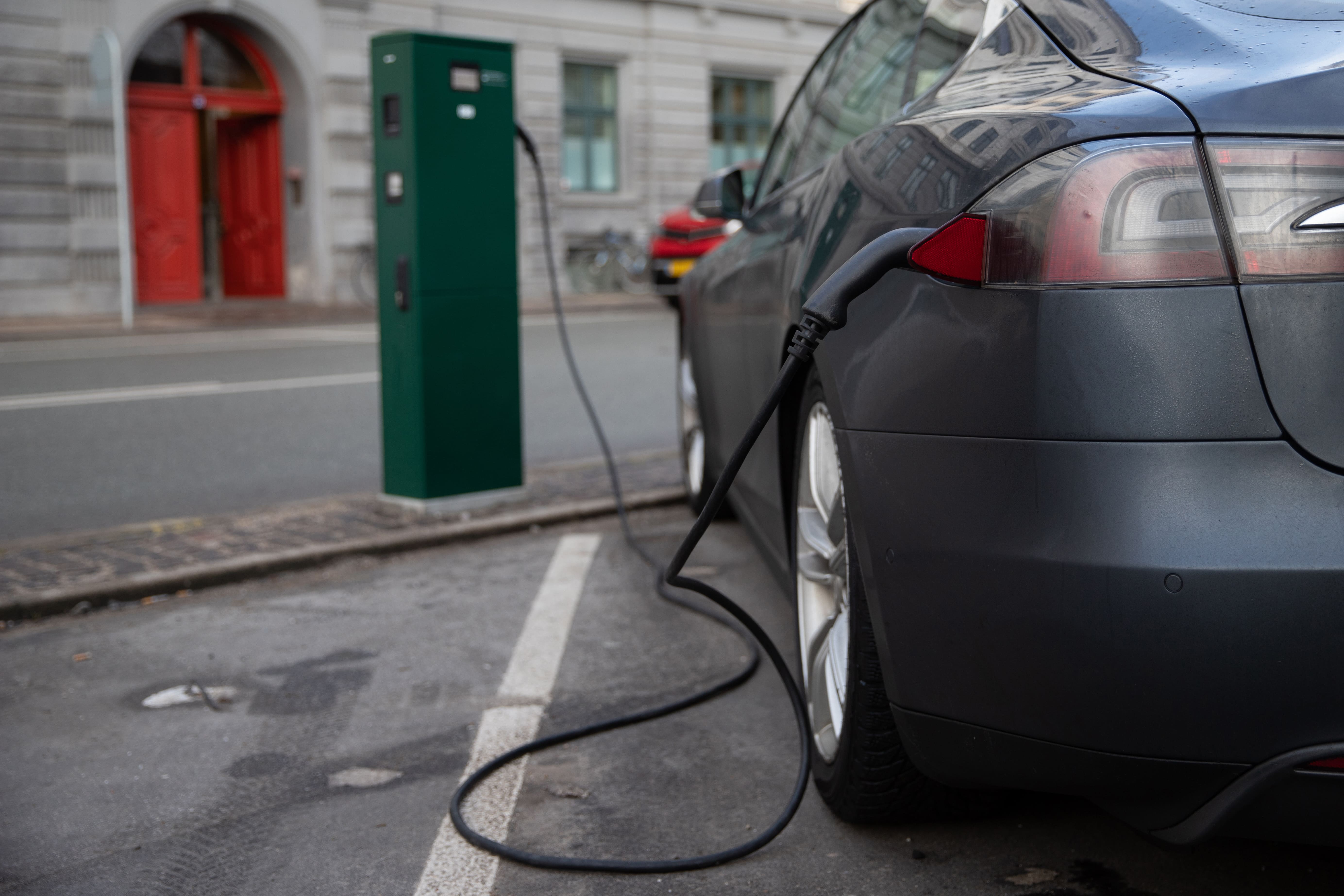
The widespread adoption of electric cars has profoundly transformed the way mobility is conceived. Today, charging stations are increasingly common along urban streets, in public parking areas, shopping centers, and on highways.
However, anyone approaching this world for the first time often asks a very practical question: can an electric car be charged at any public charging station?
The answer is encouraging: in most cases, yes. Nevertheless, there are some technical and operational conditions that deserve to be understood. Once these are known, the charging experience becomes simple and predictable.
Compatibility: technical aspects and access, two distinct elements
When discussing charging at any station, it is important to distinguish between:
Connector compatibility.
Access to the charging network.
A vehicle may be technically compatible but still require a specific app or payment method. It is a subtle but fundamental difference.
The technical basics: AC and DC explained simply
To better understand compatibility, it helps to know how a charging station works.
Alternating current (AC) charging
This is the most common mode in urban settings. The station supplies alternating current, while the car handles the internal conversion.
The most common power levels reach up to 22 kW. It is the ideal solution for medium-to-long stops, such as during working hours or overnight.
Direct current (DC) charging
Here, conversion takes place directly inside the station. Energy is delivered to the battery already ready for storage.
Power levels can exceed 150 kW, enabling fast charging, which is ideal for long-distance travel.
The system is intelligent: the vehicle and the station constantly “communicate,” automatically and safely adjusting the power level.
Standard connectors in Europe
One of the reasons charging is now almost universal is European standardization.
Type 2: the AC standard
The Type 2 connector is the reference for alternating current charging. It is adopted by the vast majority of electric vehicles sold in Europe.
In practice, finding an AC charging station with a Type 2 connector means having a very high probability of compatibility.
CCS Combo 2: the DC standard
CCS Combo 2 is the European standard for fast charging. It has become the dominant choice at high-power stations, especially on highways.
CHAdeMO: residual presence
The CHAdeMO standard is still present, mainly in older installations or for specific models. However, its presence in Europe is steadily declining.
Power matters, but it does not limit compatibility
A common misconception concerns power levels.
If a car accepts a maximum of 7.4 kW, it can still be connected to a 150 kW station. It will simply charge at its maximum supported power.
Likewise:
A single-phase vehicle can connect to a three-phase station.
A plug-in hybrid generally uses AC charging only.
The management system regulates everything automatically. There is no risk of “forcing” the battery.
Interoperability: fewer and fewer barriers between networks
In the past, a different card was required for each operator.
Today, roaming agreements between networks are increasingly widespread.
In addition, contactless card payment is becoming more common. This means greater simplicity for the end user.
Tariffs may vary, of course, but accessibility has significantly improved.
When difficulties may arise
Even though technical compatibility is broad, situations such as the following may occur:
The charging station is temporarily out of service.
The charging point is occupied.
Access is restricted to customers of a specific facility.
Connection or authentication issues occur.
However, these are operational circumstances, not structural incompatibilities.
Differences between urban and highway charging
On highways, high-power stations dominate and are ideal for short stops.
In cities, AC stations up to 22 kW are more common and are perfect for longer parking periods.
The system is designed to adapt to different usage scenarios. It is precisely this flexibility that makes electric mobility increasingly practical.
Costs: what to expect
Tariffs may be calculated:
Per kWh.
Per minute.
Through subscriptions.
With possible penalties for extended occupancy.
Home charging generally remains more affordable, but public charging ensures freedom of movement. It is a balance between convenience and cost.
Planning is always a good idea
A quick check before departure can make a difference.
Verifying connector type, power level, and payment method reduces uncertainty. Dedicated apps make this process fast and intuitive.
With minimal organization, the charging experience becomes smooth and predictable.
A constantly evolving landscape
European regulations are pushing toward increasingly uniform and interoperable standards. The objective is clear: to make public charging simple, accessible, and transparent for everyone.
Charging an electric car at any public charging station is now, in most cases, a concrete reality.
Thanks to connector standardization, the widespread adoption of CCS Combo 2, and growing interoperability between networks, compatibility is the rule rather than the exception.
Some operational variables remain to be considered, but with basic information and planning, everything becomes manageable.
Ultimately, electric mobility is no longer an uncertain territory. It is a mature system, constantly evolving, offering increasingly simple and reliable solutions for those who choose to drive electric.
Purchase your EV Charger
Our expert will contact you to offer you the most suitable solution for you.