Mar 4, 2026
Electric car motor: price, real costs and complete guide to replacement
A complete and updated guide to electric car motor costs: real prices, the factors that affect expenses, and the differences between repair, replacement and retrofit.
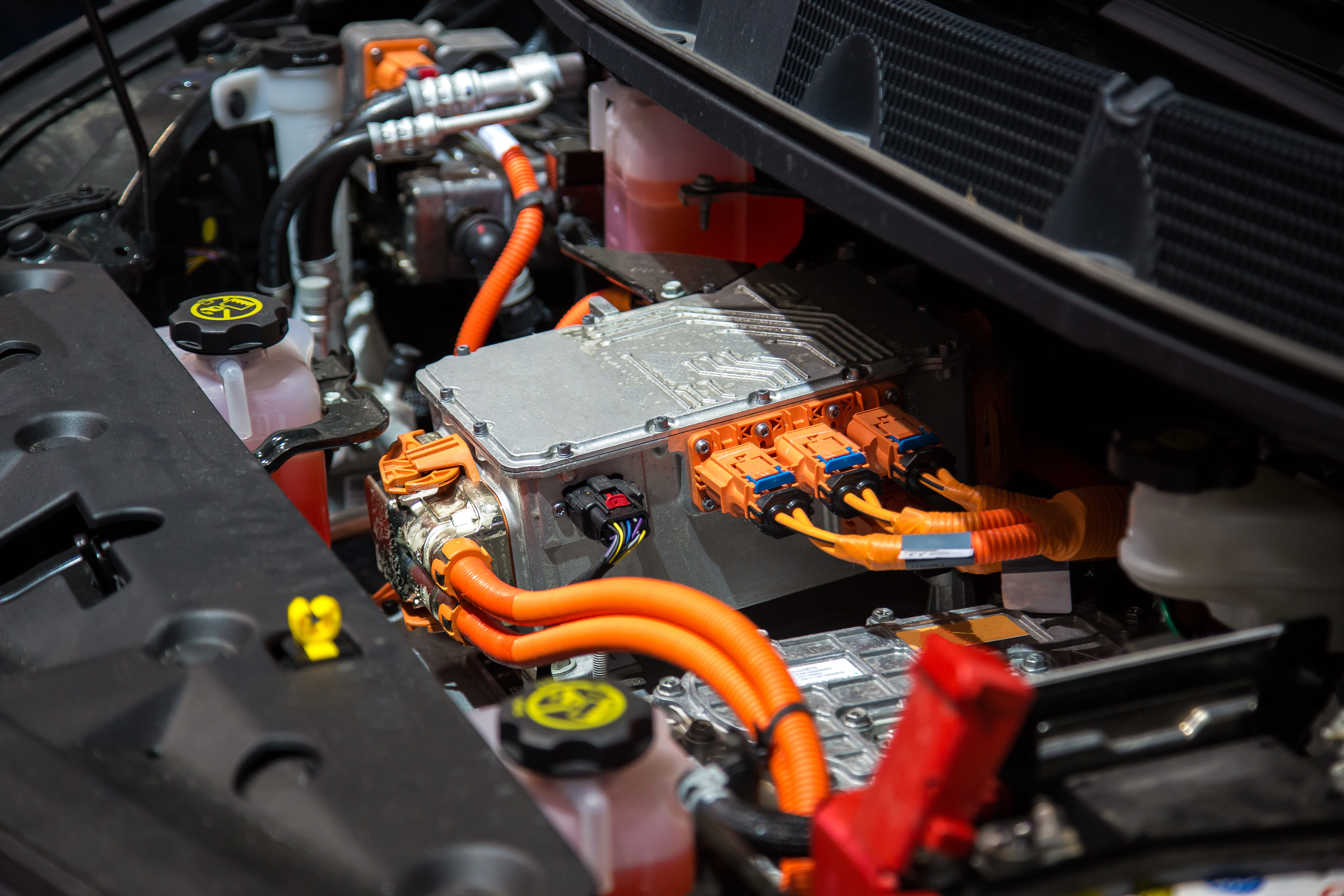
The electric motor is the heart of every zero-emission vehicle. Silent, compact and efficient, it is one of the main reasons why more and more drivers choose fully electric models. But what happens when this component, though highly reliable, requires major work? And above all: how much does an electric car motor cost?
The question is far from trivial. With the steady rise of electric cars on the road and the maturing aftermarket, it’s natural to wonder about costs, longevity and whether replacing or repairing a motor is worthwhile.
This article provides a complete, clear and updated overview to help you make informed decisions and understand the real costs associated with an electric vehicle motor.
Price of an electric car motor: real ranges and the current market situation
Unlike combustion engines, electric motors have a much simpler structure with fewer wear-prone parts. However, when replacement is necessary, costs can vary and may be significant.
In general, a “bare” electric motor can cost between €1,000 and €10,000, but the range depends on required power, vehicle type and integrated technology.
Motors for electric city cars
City cars are equipped with relatively compact motors designed for moderate speeds and gentle acceleration. In this segment, the electric motor typically costs €1,000 to €3,000. This applies to models like the Dacia Spring, Smart EQ ForTwo, Renault Twingo E-Tech and similar vehicles.
These motors, usually permanent-magnet units, are smaller and have simpler electronic integration compared to those used in larger vehicles.
Motors for compact cars and crossovers
For vehicles such as the Renault Megane E-Tech, Peugeot e-208 or Hyundai Kona Electric, power output increases significantly, and so does the motor cost. Prices in this category range between €2,500 and €6,000.
More advanced inverters, improved cooling systems and stronger rotors justify the difference compared to city-car motors.
Motors for mid-range electric SUVs
Electric SUVs are much heavier and require motors from 100 to 150 kW. These units must handle high torque, stronger acceleration and more demanding thermal cycles.
For this type of vehicle, electric motors cost €4,000 to €10,000. Integrated electronics, advanced control systems and high-performance materials all contribute to the higher price.
Motors for premium and high-performance electric cars
Premium and performance models such as the Tesla Model S, Audi e-tron GT or Porsche Taycan use motors in a higher category. These units often exceed 150 kW and feature dual windings, advanced liquid cooling and silicon-carbide (SiC) inverters.
In this segment, the motor can cost €7,000 to over €15,000, especially if it is an original OEM unit rather than a refurbished one.
Total cost of complete electric motor replacement
Buying the motor is only part of the expense. A full replacement — including labor, testing, software updates and final checks — can bring the total cost to €6,000–€8,000, with even higher peaks for premium models.
Why labor has a major impact
Replacing an electric car motor requires:
certified technicians trained to work on high-voltage systems
specialized tools for removal and installation
electrical insulation measurements
thorough software calibration
mandatory safety procedures
This type of work can take 8 to 20 hours, with labor rates from €70 to €120 per hour. The more compact and complex the vehicle, the more demanding the operation.
Additional components that can increase total cost
The electric motor works closely with:
DC/AC inverter
high-voltage wiring
electronic control units
cooling systems
torque sensors, encoders and control modules
If any of these components is damaged or incompatible with the new motor, the final cost may rise by several thousand euros.
Factors that determine the price of an electric motor
Price variability is influenced by several technical, manufacturing and economic factors.
Power and internal technology
More powerful motors require advanced materials and engineering, such as:
neodymium permanent magnets
high-efficiency windings
optimized rotors
silicon-carbide inverters
All of these raise production costs.
Brand and spare-part availability
OEM motors are more expensive than refurbished alternatives. Some manufacturers offer replacement parts more easily, while others require longer lead times and extra fees.
Specialized labor
Work on electric vehicles requires specific skills and equipment to ensure operator safety. This makes labor more expensive than traditional combustion-engine repairs.
Vehicle condition
Older vehicles may require extra checks, software updates or additional verifications to ensure that the new motor integrates properly with the system.
Repair or replace the electric motor: what’s really worth it?
While electric motors are extremely robust, they can still develop issues. Choosing between repair and replacement requires a thorough technical evaluation.
When repair is a valid solution
Certain motor components can be repaired without replacing the entire unit. Common issues include:
bearing failures
encoder malfunctions
damage to windings
associated inverter faults
Repairs may cost €500 to €2,500, and are a good option when the motor is structurally sound.
When replacement becomes necessary
Replacement is usually required when:
windings are severely damaged
the rotor is compromised
multiple faults occur simultaneously
the integrated inverter is completely non-functional
In these cases, repairs may be uneconomical and unreliable in the long term.
Electric retrofit: costs, benefits and limits
A retrofit converts a combustion-engine car into an electric one. However, it is an advanced, expensive and often complex modification to certify.
Cost of a motor for retrofit
A retrofit motor typically costs €2,000 to €10,000, depending on power output and vehicle compatibility.
Cost of a complete conversion
Including:
batteries
wiring
power electronics
charging system
certification
the total cost can range from €10,000 to €30,000.
Retrofit is most common on vintage vehicles or special projects, where preserving the body while modernizing the mechanics has symbolic and aesthetic value.
Labor, estimates and how to avoid surprises
When requesting a quote for a repair or motor replacement, it’s important to provide all relevant information and request a detailed breakdown of operations.
What a reliable estimate should include
A good estimate must specify:
cost of the motor or components to repair
expected labor hours
any required software updates
final tests and certifications
post-repair warranty
The more transparent the workshop, the easier it is to assess whether the intervention is worthwhile.
Duration of the intervention
Replacement can take 8 to 20 hours, while repairs generally require less time. Complexity depends heavily on the vehicle model and motor accessibility.
FAQ on electric car motor costs
How long can an electric motor last?
A well-maintained electric motor can easily exceed 300,000 km. The absence of mechanical friction (no pistons, valves or turbines) drastically reduces the likelihood of failure.
Is it worth buying a used electric motor?
Yes, it can be cost-effective if it comes from a crashed vehicle and includes tests and warranties. Savings can reach up to 40% compared to a new motor.
Does motor replacement affect the vehicle warranty?
It depends on the manufacturer. In general, work performed at authorized centers with original parts keeps the warranty valid.
Do electric motors break easily?
Failure probability is much lower than with combustion engines. Most issues involve the inverter or encoder rather than the motor itself.
Overview of electric motor costs
The price of an electric car motor varies significantly depending on vehicle type, required power and system complexity. The differences between repair, replacement and retrofit help drivers choose the most suitable option, as long as it’s supported by a thorough technical evaluation and a clear estimate.
With a solid understanding of costs and influencing factors, it becomes easier to navigate available options and plan a reliable, safe and long-term intervention. EV technologies will continue to evolve rapidly — and with them, new maintenance and upgrade possibilities for electric vehicles.
Purchase your EV Charger
Our expert will contact you to offer you the most suitable solution for you.