Jan 13, 2026
Electric car tax stamp: the surprising truths that are changing Europe
Explore how the electric vehicle tax is changing in Europe: a deep analysis of new fiscal policies, emerging taxation models, and the differences between major countries.
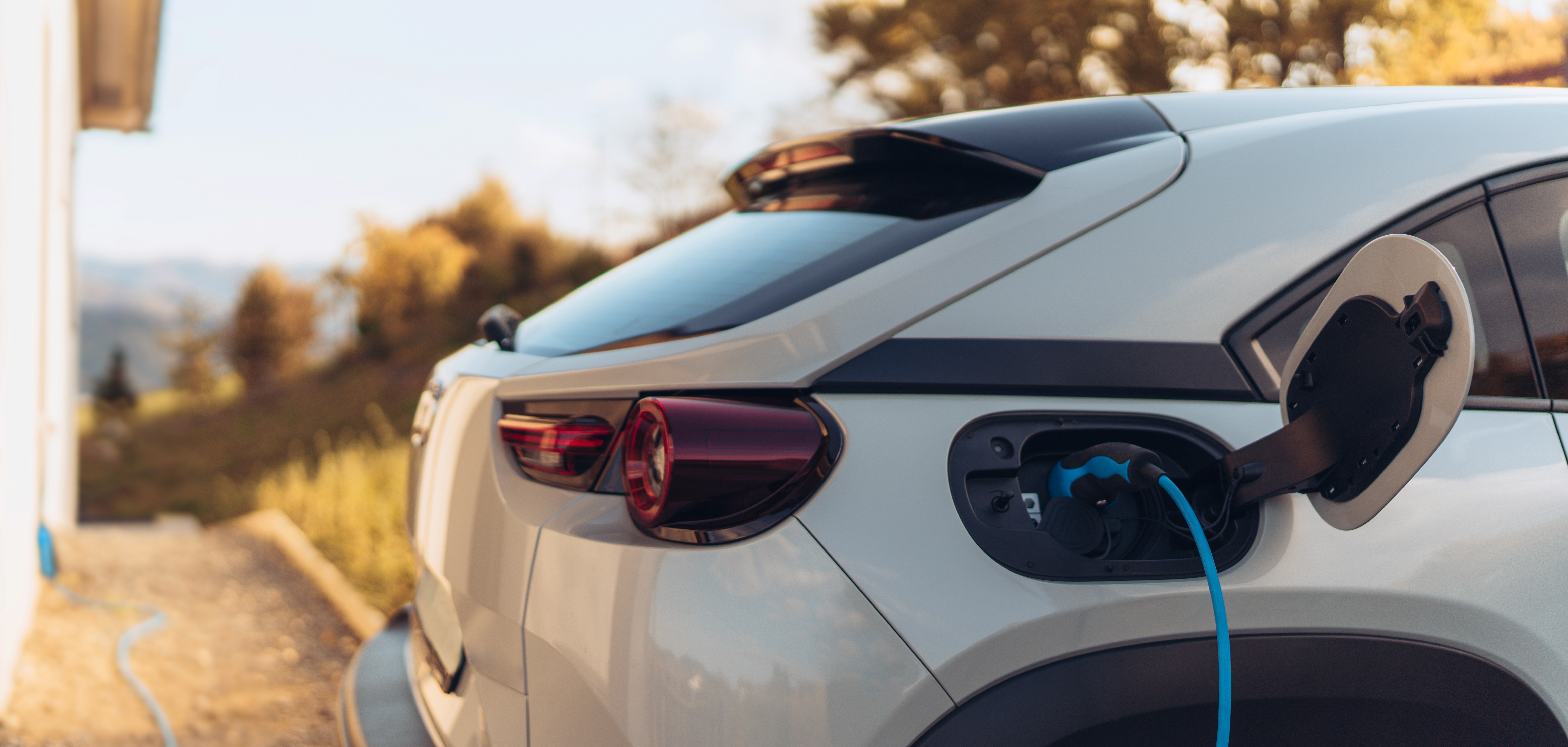
The spread of electric cars is changing the face of European mobility. In the past, they were considered a niche market, but today they represent an increasingly relevant share of the market. However, with this change, an inevitable question arises: how should these cars be taxed? The tax, which was once an incentive or a minor detail for those purchasing a BEV, is becoming a key topic in political discussions and in consumers' economic planning.
The evolution of European tax rules in sustainable mobility
Throughout Europe, governments have pushed for the electric transition through exemptions and tax incentives. This has been an effective way to rapidly grow a market considered strategic, both for environmental and industrial reasons. Now, however, we are entering a new phase: where electric mobility is no longer an exception but the norm. This inevitably requires a review of tax policies, which must remain fair, sustainable, and capable of ensuring adequate revenue for states.
What is the vehicle registration tax for electric vehicles and why are governments reviewing it
Difference between circulation tax, property tax, and automobile taxes
The "registration tax", often used as a generic term, can refer to various forms of vehicle taxation. It can be the ownership tax, the circulation tax, or a combination of both. In European countries, there is no uniform model: each has introduced its own rules, adapting them to the characteristics of its tax system.
The tax incentives adopted during the initial growth of BEVs
To encourage the transition, many governments have chosen to completely or almost completely exempt electric car owners. Multi-year exemptions, significant reductions, or temporary abolitions of the ownership tax have been fundamental tools to boost sales.
Why taxes on electric cars are changing in European countries
With the maturity of the electric market, however, things are moving in a different direction. The decline in revenues from traditional fuels is creating pressure on public budgets, while the increasing presence of electric vehicles necessitates a comprehensive rethink of tax mechanisms. The goal is not to penalize those who choose a BEV, but to create a more stable and proportionate system.
The reasons for changes in the registration tax on electric cars in Europe
The decline of fuel excise duties and the consequences on tax revenue
Reduction in revenue and impact on state budgets
As the electric vehicle fleet grows, the consumption of fuel automatically decreases. Excise duties, which represent a significant revenue item in state budgets, decrease accordingly. It is a slow but steady change, and one of the main reasons governments are rethinking car taxation.
Effects of the increase in electric vehicle registrations
More electric cars mean more tax exemptions. And that’s exactly the point: what was sustainable when BEVs represented a minimal share now begins to weigh on a national scale.
The unsustainability of prolonged exemptions in the long term
Costs for governments and changes to incentive policies
Tax incentives have been useful in the early stages, but at some point they must be recalibrated. The logic is natural: as the electric market solidifies, incentives must evolve or be reduced.
Tax equity between electric and traditional cars
Another factor is equity. While it is right to reward those using a cleaner vehicle, it creates a tax disparity between motorists using the road with different vehicles but contributing very differently to public revenues.
The new taxation models proposed in European legislation
Tax per kilometer for electric and plug-in hybrid vehicles
Benefits of the pay-per-use model for mobility
The principle is simple: you pay based on the kilometers traveled. It is a model closer to the actual use of infrastructure and represents a natural evolution in a context of sustainable mobility.
Technological challenges and infrastructure implementation
Reliable tracking systems are needed, which are transparent and respect privacy. This is no small detail, and indeed many countries are proceeding with caution.
Taxes on energy used for home and public charging
Another approach under discussion is to integrate a fee on charging into the tax system, modulated between home and public charging.
Taxation based on vehicle weight and road impact
Electric cars, especially high-end ones, often weigh more than their internal combustion counterparts. This can lead to greater wear on road infrastructure and is prompting some governments to consider weight as a new tax parameter.
How the registration tax on electric cars works in major European countries: comparison of regulations and costs
United Kingdom: Vehicle Excise Duty and transition to a consumption tax
End of tax exemptions and introduction of the ownership tax for BEVs
The United Kingdom is among the most active countries in reforming electric mobility taxation. Exemptions are decreasing, and the ownership tax is gradually extended to BEVs.
Government proposals for a tax based on kilometers traveled
The British government sees a mileage tax as an efficient and fair solution, intended to replace part of the current system.
Impacts on the electric vehicle market in the United Kingdom
Despite changes, demand for electric cars remains high due to the overall economic advantage compared to internal combustion vehicles.
Germany: current exemption and prospects for revising the car tax
Decennial exemption for electric cars and future deadlines
In Germany, policy has so far significantly supported BEVs, with long and stable exemptions. However, tax reform is increasingly being discussed here as well.
Proposed weight-based tax
Weight is a very discussed criterion in the country: it is a simple parameter to apply and correlates with road impact.
Possible scenarios in the German tax system after 2026
Potential options include introducing a usage tax to re-calibrating the current registration tax.
France: regional registration tax, weight tax and ongoing fiscal updates
Exemption from the regional tax for BEVs
Currently, those purchasing an electric car in France benefit from a particularly favorable regime regarding the regional tax.
Discussion on the additional weight-based tax
France is one of the most active countries on the weight issue, especially due to the growth of electric SUVs.
Implications for electric registrations in France
For now, demand remains high, but stricter tax measures could influence the market in the long term.
Netherlands: gradual introduction of full rates for circulation tax
Gradual increase of the electric vehicle registration tax 2025–2026
The country has announced a very clear path in advance: ending exemptions and gradually returning to full registration tax.
Tax parity between electric and internal combustion vehicles
The goal is to ensure a symmetric system, regardless of the type of fuel.
Economic reasons for the Dutch reform
An overly incentivized model creates imbalances: the Netherlands is now aiming for a more stable system.
Norway: from total exemption to a new model of automobile taxes
Introduction of a weight-based tax
The country, a leader in BEVs, has begun to review its incentives, starting with weight.
Reduction of incentives to support the state budget
The transition is now solidified, and incentives are no longer necessary as they once were.
Effects of the new system on the BEV market
Despite the changes, Norway remains a market strongly oriented towards electric vehicles.
Sweden: reduced registration tax for electric vehicles and ongoing tax review
Current vehicle circulation tax system for battery cars
Sweden maintains a mixed approach, but is increasingly discussing future reforms.
Possible alignment with internal combustion vehicle regulations
The logic is to gradually bring the tax system for electric vehicles closer to that of combustion engines.
Switzerland: proposed per kilometer tax to replace the current tax system
Legislative project from 2030 on the use tax for road infrastructure
Switzerland proposes an innovative solution, based on the actual use of roads.
Potential influence on other European countries
Many nations are looking at this model with interest as it solves several fiscal problems in one go.
Belgium: regional tax systems and differences between Flanders, Wallonia, and Brussels
Total exemption in Flanders for electric vehicles
The most industrialized region of the country continues to maintain strong incentives.
Differentiated taxation in other Belgian regions
Each area has its own system, making the regulatory framework particularly fragmented.
Possibility of future harmonization of regulations
Some are calling for a single model to favor regulatory certainty.
Austria: current exemption and discussion on new environmental taxes
Rules on motorbezogene Versicherungssteuer for BEVs
Austria maintains a tax system favorable for electric vehicles but is planning updates.
Possible revisions of the automobile tax from 2026
Scenarios under consideration include the introduction of criteria such as weight or mileage.
Portugal: total exemption for electric vehicles in property tax
Current incentives and sustainability of the tax model
The country continues to promote electric mobility through complete exemptions but is already considering future alternatives.
Spain: regional differences in circulation tax for electric cars
Incentives in Catalonia, Madrid, and the Basque Country
Some autonomous communities offer very relevant incentives.
Discussion on a shared national reform
A uniform tax system is being considered to reduce regional complexity and inequities.
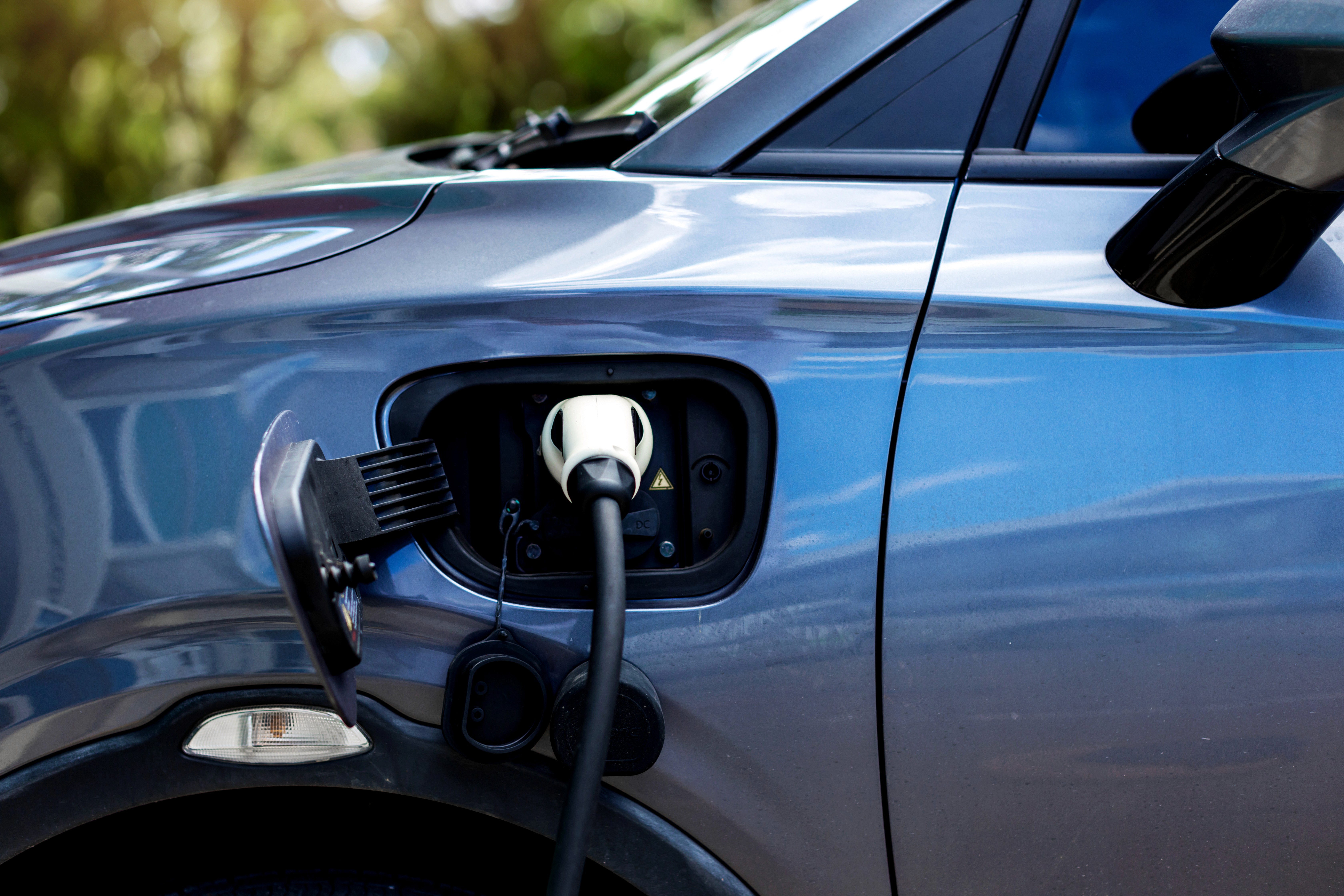
European trends in the taxation of electric vehicles
Ending generalized exemptions and reducing incentives
The European landscape clearly shows that the phase of broad exemptions is coming to an end. The tax system must evolve alongside the market.
Transition to tax models based on infrastructure use
The most current discussions aim to tax use rather than possession, moving beyond a model that is no longer up to date.
Adoption of parameters related to weight, indirect emissions, and road wear
Weight is a factor increasingly considered: simple, measurable, and related to actual impact.
European proposals for harmonized taxation on electric mobility
Although no single European model exists yet, there is a push towards a more uniform and consistent system.
Impacts on consumers and corporate fleets
How the new ownership tax will affect the total cost of ownership (TCO)
Economic advantages and disadvantages compared to traditional vehicles
Even with the increase in taxation, electric vehicles remain more efficient and economical to use and maintain.
Future projections on the cost of electric mobility
Those purchasing today must consider a multi-year perspective, accounting for regulatory changes in their country.
Effects of tax changes for those already owning an electric vehicle
Today, a BEV owner often enjoys significant benefits but must be prepared for future changes.
Implications for corporate fleets, long-term rentals, and businesses
Tax planning in different European markets
Companies need to evaluate taxation country by country to optimize choices and investments. Those operating across multiple markets can gain significant economic advantages by carefully analyzing local tax regimes.
How to prepare for changes in automobile taxes in the coming years
In a rapidly changing context, planning ahead is essential. Monitoring regulations helps avoid surprises.
Main findings on European regulations for electric vehicle registration tax
The European tax system is in full evolution: generalized exemptions are giving way to a more uniform and "responsible" model.
Why BEVs remain competitive despite new taxes
Lower charging, maintenance, and usage costs keep electric cars extremely competitive, even in the new tax scenario.
The importance of monitoring the fiscal evolution in European countries
Rules change, and will continue to change. Staying informed is key to making informed choices.
FAQ on electric vehicle registration tax and circulation tax in Europe
Do electric cars pay the registration tax in various European countries?
It depends on the country. Some provide exemptions, others temporary incentives, while others apply the full tax.
Which nations still maintain total exemption?
Few countries still offer a complete exemption, and the general trend is towards a gradual reduction of incentives.
When are changes to existing incentives expected?
Many countries have already set specific deadlines, often by the end of the decade.
What is the per kilometer tax and where will it be introduced?
It’s a new model based on the kilometers traveled by the vehicle, already under study in various European nations.
Are corporate fleets subject to different tax rules?
In some cases yes: companies may benefit from specific deductions or face dedicated regulations.
Will the weight of the vehicle really influence future ownership tax?
It is very likely: numerous countries are evaluating or introducing this criterion.
Purchase your EV Charger
Our expert will contact you to offer you the most suitable solution for you.