Mar 10, 2026
Electric vehicle charging connectors: the definitive guide to choosing with confidence
A clear and up-to-date overview of electric vehicle charging connectors, designed to help readers understand standards, uses, and selection criteria for everyday charging and charging on the road.
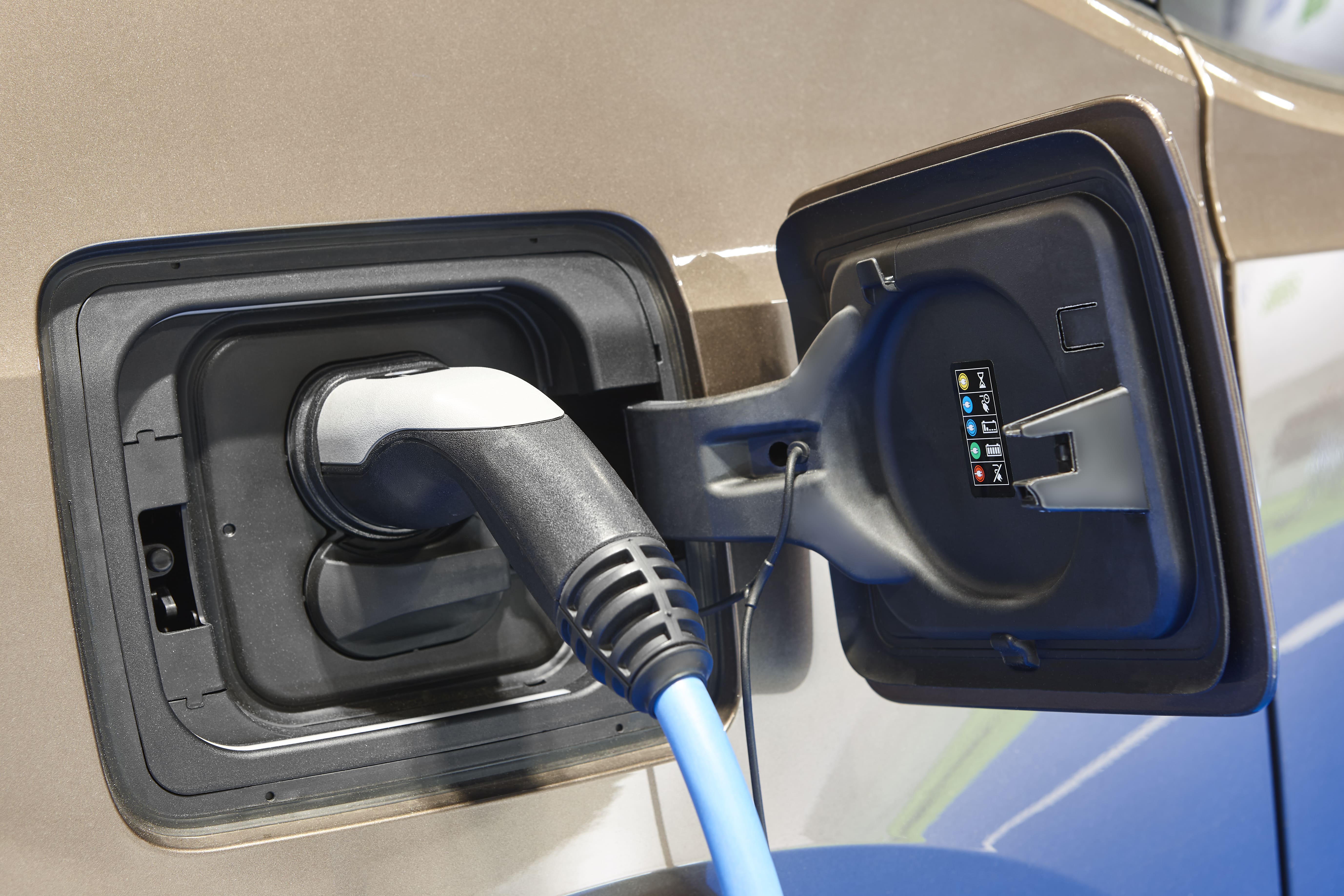
In the world of electric mobility, charging represents a central element of the driving experience. In this process, electric vehicle charging connectors play a decisive role: they are the point of contact between the vehicle, the charging infrastructure, and the electrical grid. Understanding them thoroughly means charging in a simpler, safer, and more informed way, avoiding doubts and inconveniences.
With the increase in electric vehicles on the road, charging systems have also evolved. Today, there are increasingly widespread standards and solutions designed to adapt to different contexts. This guide provides a complete and up-to-date overview, useful both for those taking their first steps and for those who wish to navigate the topic with greater confidence.
The role of connectors in electric vehicle charging
Connection between vehicle, charging station, and electrical grid
The connector is not a simple accessory, but an essential technical component. Through it flows the energy required for charging and, at the same time, the exchange of information between the vehicle and the charging point takes place. In other words, it is what makes controlled and safe charging possible.
Why connector compatibility is essential
When the vehicle and the infrastructure speak the same “language,” charging takes place smoothly. Compatibility allows full use of available charging stations, reducing the need for adapters and operational limitations. In everyday practice, this aspect truly makes a difference.
Impact of connectors on the charging experience
The type of connector affects charging times, methods, and ease of use. A well-understood system makes the experience smoother, reduces uncertainty, and helps make electric mobility more relaxed and predictable.
What are electric vehicle charging connectors
Definition and function within the charging system
A charging connector is the standardized interface that allows the physical and electrical connection between the vehicle and the energy source. It is designed to withstand high loads and to ensure long-term stability, even under frequent use conditions.
Difference between connector, socket, and cable
Although they are often confused, these elements have distinct functions. The connector is the movable part that plugs into the vehicle or the charging station, the socket is the fixed point, while the cable connects the two elements. Clarifying this distinction helps in better understanding the various available solutions.
Reference technical and regulatory standards
International standards define shape, dimensions, power levels, and communication methods. Thanks to these shared rules, it is now possible to charge in different contexts with a high level of safety and interoperability.
Alternating current and direct current charging: what changes
AC charging and everyday use
Alternating current charging is the most common in daily life, especially at home and at standard public charging stations.
On-board energy conversion
In this scenario, energy is converted into direct current directly by the vehicle. It is an efficient process, designed for regular and programmable charging.
Power limits in slow and semi-fast charging
Available power depends on the on-board charger and the electrical system. It is not the fastest solution, but it is reliable and perfectly suited to everyday use.
DC charging and fast charging
When reducing charging time is necessary, direct current charging comes into play.
External conversion and the role of charging stations
In this case, conversion takes place directly in the charging station, which supplies energy ready for the vehicle’s battery.
Differences in charging times
Charging times are significantly reduced, making this mode ideal for long trips or short stops.
Why different connectors exist for AC and DC
Different technical characteristics and power levels require connectors designed specifically for each use. It is a functional choice, not an unnecessary complication.
The most common AC charging connectors
Type 1 connector
Used mainly in some non-European markets, it is designed for single-phase charging.
Electrical characteristics and structure
It supports moderate power levels and features a simple configuration.
Contact configuration
The pins allow essential communication between the vehicle and the infrastructure.
Supported power levels
It is mainly suitable for slow charging.
Geographic distribution and usage contexts
In Europe it is not very common, but it is still present on some specific models.
Vehicle compatibility
It depends on the vehicle’s origin and target market.
Type 2 connector
It is the reference standard for alternating current charging in Europe.
Main technical characteristics
It supports both single-phase and three-phase charging, offering great flexibility.
Single-phase and three-phase charging
This versatility allows adaptation to different electrical systems.
Use on wallboxes and public charging stations
It is the most widely used standard in both domestic and public settings.
Adoption as a European standard
Its widespread adoption ensures a uniform charging experience.
Interoperability advantages
It reduces complexity and facilitates access to infrastructure.
Type 3 connector
Now rarely used, it played an important role in the early stages.
Origin and historical use
It was designed to increase safety in early installations.
Reasons for its gradual replacement
Technical evolution has reduced its necessity.
DC charging connectors for fast charging
CCS system
It is the most widespread standard for fast charging in Europe.
Combined AC/DC structure
It integrates slow and fast charging in a single system.
Upper section for AC charging
It can also be used in standard contexts.
Dedicated contacts for fast charging
They allow the flow of high currents.
Presence on European infrastructures
It is available at most fast charging stations.
High power levels and usage scenarios
It is ideal for long-distance travel.
CHAdeMO standard
Historically very widespread, it is now less common.
Development and characteristics
It was designed from the outset for fast charging.
Compatibility with existing models
It is still used by some vehicles.
Presence on charging networks
It is gradually decreasing.
New standards and evolving solutions
Proprietary connectors and openness to other vehicles
The trend is toward greater interoperability.
Integration into public networks
Networks are becoming more inclusive.
Outlook for adoption
The trend is clear: simplification.
Ultra-high-power projects
They aim to further reduce charging times.
Future objectives
Increasingly faster charging.
Impact on infrastructure
They require suitably upgraded electrical grids.
Compatibility between electric vehicles and charging infrastructure
Vehicle-side socket
Each vehicle is designed with specific technical features.
Types of connectors on charging stations
Modern charging stations offer multiple options.
Use of adapters
They can be useful in specific cases.
When they are useful
In the presence of different standards.
Technical and safety limitations
They do not always allow the use of maximum power.
Differences between international markets
Standards vary from region to region.
Where different connectors are used
Home charging
It is the foundation of everyday charging.
Wallbox and AC charging
A practical and reliable solution.
Dedicated cables and sockets
They ensure safety and continuity.
Public charging
Essential for those who cannot charge at home.
Alternating current charging stations
Widespread in urban centers.
Fast and ultra-fast charging stations
Designed to reduce stopping times.
Charging while traveling
Essential for long-distance journeys.
Highways and service areas
They favor fast charging.
High-power hubs
They concentrate multiple charging points.
How to recognize charging connectors
Shape and contact layout
Each standard has a recognizable geometry.
Visual differences between slow and fast charging
Fast charging connectors are generally larger.
Common identification mistakes
Confusing AC and DC is one of the most frequent errors.
Safety, communication, and protections
Safety systems integrated into connectors
They protect both the vehicle and the infrastructure.
Communication between vehicle and charging point
It regulates power and charging start.
Compliance with safety standards
It ensures long-term reliability.
Best usage practices
Correct use makes a difference.
How to choose the most suitable connector
Based on the type of electric vehicle
Compatibility is the primary criterion.
Based on charging habits
Home, work, or travel require different solutions.
Based on charging station availability
Knowing the local network helps.
Future-oriented choice
It is better to rely on widely adopted standards.
Evolution of charging connectors
Toward greater standardization
The landscape is becoming simpler.
Increase in available power levels
Infrastructure is growing rapidly.
Interoperability between networks and vehicles
A key element for the future.
Frequently asked questions about charging connectors
Which connectors are most common in Europe
Type 2 and CCS are the most widespread.
Do all vehicles support fast charging
It depends on the vehicle’s design.
Is it possible to use only one type of connector
In many cases yes, but not always.
How will charging systems evolve
Toward greater speed and simplicity.
Summary of key concepts
Charging connectors are an essential component of electric charging.
Why knowing connectors is essential
It allows for more informed charging.
Impact on everyday electric mobility
Good knowledge makes the experience more serene, accessible, and reliable.
Purchase your EV Charger
Our expert will contact you to offer you the most suitable solution for you.