Apr 7, 2026
Energy prosumer: what it is, benefits and how it works
Complete guide to the energy prosumer: self-consumption, solar power, and smart energy use
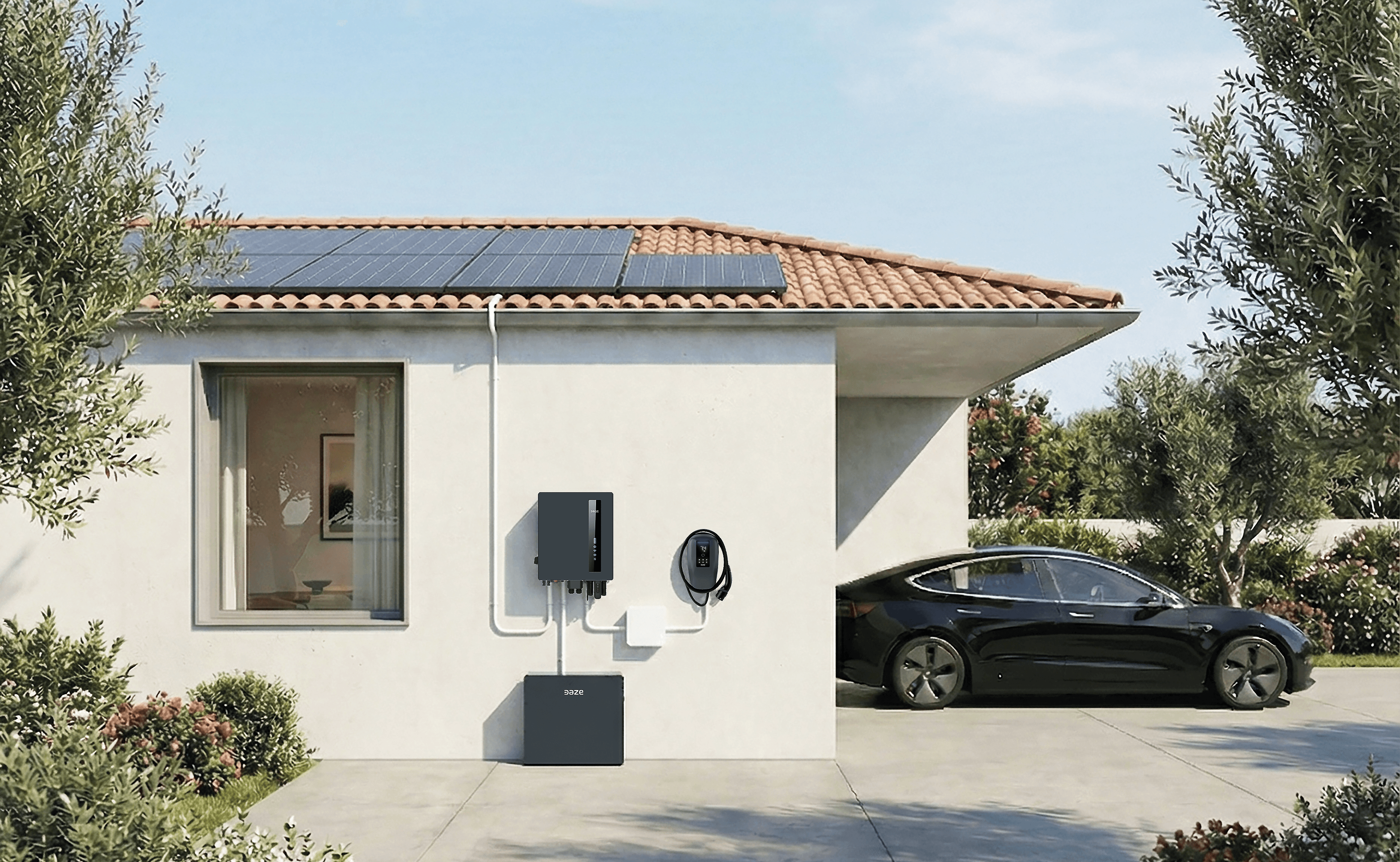
In recent years, the way energy is produced and used has been changing significantly. The focus is no longer only on users who passively consume electricity, but increasingly on people and businesses that actively participate in energy management. This is exactly where the concept of the energy prosumer comes in.
But what is an energy prosumer, in practical terms? Put simply, it is a user who does not just consume energy, but is also able to produce it and use it more consciously. This model applies to both homes and businesses, and it is closely linked to topics such as solar power, self-consumption, energy storage and smart energy management.
In short, the prosumer represents an evolution in the relationship with energy. It is no longer just a matter of “how much energy is consumed,” but also of how, when, and with what level of control the available energy is used. That is exactly what makes this topic so relevant today.
Definition of energy prosumer and meaning in the energy sector
The term prosumer comes from the combination of two English words: producer and consumer. In the energy sector, this definition is used to describe an entity that produces at least part of the energy it uses and manages it more actively than a traditional consumer.
Put even more simply, an energy prosumer is a user who plays a more dynamic role in the energy system. Rather than simply drawing energy from the grid, they generate electricity locally, often through a solar PV system, and use it to cover at least part of their own energy needs.
The key point, however, is not production alone. What really makes the difference is the combination of local generation, direct consumption, and management capability. In other words, it is not enough to generate energy: what matters is also knowing how to use it well.
This model can apply in different contexts. In the residential sector, for example, the prosumer is often a household that uses the energy produced by its own system. In the business or commercial sector, the concept extends to organizations that generate and consume energy on the same site, with the aim of improving efficiency and increasing self-consumption.
How an energy prosumer works: generation, consumption, and self-consumption
The way an energy prosumer works is, overall, quite intuitive. Energy is produced locally, used when needed, and, if there is excess energy available, it can either be stored or fed into the grid. When production is not sufficient, the remaining demand is covered by the electricity grid.
The basic principle is simple: produce energy and consume it as efficiently as possible. If the energy produced matches the moment when it is needed, this is called instant self-consumption. If it is stored to be used later, then deferred self-consumption comes into play, often thanks to a battery storage system.
To really understand how a prosumer system works, it helps to look at its main stages. First comes energy generation, then consumption by the user, followed by the monitoring of energy flows. In some cases, storage is added, while the grid continues to play a support and balancing role.
Here is the key point: what matters is not only how much energy is produced, but also when it is consumed. A consumption profile that is well aligned with local generation makes better use of the available energy. That is why the prosumer is not simply a small-scale producer, but an entity that manages energy with greater awareness.
Technologies that make the energy prosumer possible
The prosumer model is based on a set of technologies that work together in a coordinated way. Among them, the most widespread is undoubtedly the solar PV system, which makes it possible to generate electricity locally from a renewable source.
It is no surprise, then, that solar power is so often associated with the concept of the prosumer. It is a practical, accessible technology that can be integrated effectively in both residential and business or commercial contexts.
Alongside solar PV, the storage system can also play an important role. The battery stores energy that is not used immediately and makes it available at a later time, for example in the evening. This can increase self-consumption and reduce reliance on the grid.
Another fundamental element is energy monitoring. Knowing generation and consumption data helps to better understand how the system behaves and identify possible areas for improvement. In fact, without measurement and control, it becomes more difficult to make full use of the potential of locally generated energy.
Then there are smart load management systems, which make it possible to schedule consumption, set priorities, and optimize the use of self-generated energy. This is where the system takes a step forward: it does not just generate energy, but uses it more strategically.
Finally, the prosumer model can be integrated with other relevant electrical devices, such as heat pumps, domestic hot water systems, and EV charging stations. When these elements communicate with each other, the result is a more efficient and more advanced energy ecosystem.
Key characteristics of an energy prosumer
An energy prosumer stands out for a number of very specific characteristics. The first is decentralized energy generation, meaning the ability to produce electricity close to the point where it is used.
The second is greater control over consumption. A prosumer tends to have a better understanding of their energy profile, monitor loads more closely, and identify which habits can be optimized.
There is also the ability to maximize self-consumption, which is one of the main goals of the model. Using the energy produced locally means making better use of it and reducing withdrawals from the grid.
Another important characteristic is the focus on a more efficient use of available energy. In this sense, the prosumer is not just a technologically equipped user, but also a more aware one.
Finally, the prosumer plays a more active role in the electricity system. It is no longer just a consumption point, but an energy node capable of generating, managing, and, in some cases, feeding energy back into the grid.
Difference between a traditional consumer and an energy prosumer
In the traditional model, the consumer receives energy from the grid and uses it without directly participating in its production. The flow is linear: energy is generated elsewhere and delivered to the end user.
With the prosumer, however, this model changes. Part of the energy is generated locally, and the relationship with the grid becomes more complex. The user can consume the energy produced, store it, or interact with the grid in a more dynamic way.
The most obvious difference concerns the origin of the energy being used. In the case of the traditional consumer, the energy comes almost entirely from outside sources. In the case of the prosumer, at least part of it is produced on site.
But that is not all. The level of control also changes. The traditional consumer plays a largely passive role, whereas the prosumer can better observe, manage, and optimize consumption. In short, the model shifts from simple use to active management.
Energy prosumer and self-consumption: what is the link?
Talking about the prosumer inevitably means talking about self-consumption. Self-consumption is the direct use of locally generated energy to cover one’s own needs.
There are two main ways this happens. The first is instant self-consumption, meaning energy that is generated and consumed at the same time. The second is deferred self-consumption, which occurs when energy is first stored and then used at a later moment.
For a prosumer, increasing self-consumption is a central goal. It means reducing withdrawals from the grid, making better use of local generation, and making the whole system more efficient.
There is an important point to keep in mind, though: self-consumption does not necessarily mean total self-sufficiency. A prosumer may still depend on the grid at different times of the day or year. The goal is not to eliminate all forms of dependence, but to make better use of the available energy.
To increase self-consumption, several strategies can help: shifting some loads to the hours of highest generation, adding storage, and adopting smart management systems. This is, ultimately, where the difference lies between “producing energy” and “really making the most of it.”
Energy prosumer and solar power: why they are often linked
The link between the energy prosumer and solar power is very strong. The reason is simple: solar PV is currently one of the most practical ways to produce electricity locally and directly supply one’s own consumption.
When a solar PV system produces energy during the day, that energy can be used immediately to power household appliances, HVAC systems, heat pumps, or other devices in the building. If generation exceeds current demand, the energy can be stored or fed into the grid.
If, on the other hand, solar production is not enough, the system draws from the electricity grid or from storage, if available. Once again, everything depends on how well generation and consumption are aligned.
However, an overly simple view should be avoided. A solar PV system alone is not enough to automatically turn a user into an efficient prosumer. Proper sizing, monitoring, and load management are also needed. In other words, solar power is an excellent starting point, but it is not the only element that matters.
Practical examples of energy prosumers at home and in business
A classic example is a home with a solar PV system. During the day, the energy produced supplies part of the household’s consumption. If some uses are concentrated in the most favorable hours, self-consumption naturally increases.
A second case is a home with solar PV and battery storage. Here, the energy produced during the middle of the day can be stored and used later. This makes the system more flexible and reduces dependence on the grid in the evening.
Another very interesting example is a home with an electric car and smart charging. In this scenario, EV charging can be scheduled to make better use of available solar energy. It is a solution that combines electric mobility and self-consumption in a particularly effective way.
In professional settings, a typical example is a company that produces and consumes energy at its own site. If consumption profiles are fairly stable, coordinating local generation with operations can be particularly advantageous.
Commercial facilities, offices, or businesses with predictable electrical loads can also fully fit into the prosumer model. The principle remains the same: use as much energy locally as possible, and use it intelligently.
Benefits of the energy prosumer in energy, economic, and operational terms
The benefits of the energy prosumer are many and relate to different aspects. From an energy perspective, the main benefit is the greater use of self-generated energy. This makes it possible to reduce dependence on the grid and make better use of local generation.
From an economic perspective, more efficient energy management can lead to a more rational use of available energy. It is not just about producing, but about consuming at the right time and with greater awareness. This, in turn, helps improve the overall efficiency of the system.
There are also operational advantages. A prosumer has access to more data, more visibility, and more scheduling possibilities. In practical terms, this makes it easier to understand energy behavior and act more effectively.
The environmental benefits should not be overlooked either. More efficient use of renewable energy contributes to better use of local resources and supports a more advanced energy model.
Finally, the prosumer also has strategic value. It represents an increasingly important player in an electricity system that is moving toward distributed generation, digitalization, and smart energy management.
Limits and challenges of the energy prosumer
Naturally, the prosumer model is not without its limits. The first concerns the variability of generation, especially when it depends on renewable sources such as solar PV. The amount of available energy changes depending on the time of day, the season, and environmental conditions.
A second aspect concerns correct system sizing. A system that is too small may cover only a limited share of consumption, while one that is too large risks generating energy that is not used effectively enough. The same applies to storage, when included.
There is also the issue of energy management. A prosumer system works really well when systems, loads, and control logic operate in a coordinated way. If this coordination is missing, performance may fall short of expectations.
Finally, it is worth remembering that in most cases the prosumer still needs the grid. This is not a negative limitation, but a structural aspect of the model. The goal is not complete isolation, but a more efficient and smarter way of managing energy.
How to become an energy prosumer
Becoming an energy prosumer first requires an analysis of one’s consumption profile. It is important to understand when consumption is highest, which loads have the greatest impact, and what opportunities exist to optimize energy behavior.
The next step is to evaluate a local generation solution, often based on solar PV. This choice should take into account the characteristics of the building, the energy demand, and the consistency between generation and consumption.
At a later stage, it may be useful to consider adding a storage system if it can help increase self-consumption. It is not always the first priority, but in some cases it can significantly improve system flexibility.
Another essential aspect is monitoring. Knowing how the system behaves makes it possible to make better decisions, correct inefficiencies, and manage energy more effectively.
Finally, it is useful to coordinate the main electrical loads, such as HVAC, domestic hot water, and EV charging. When these elements are well integrated, the system becomes more advanced. And yes, also more useful in everyday practice.
The role of storage in the prosumer model
A storage system is not mandatory to define an energy prosumer, but it can be an important supporting element. Its main function is to shift the use of generated energy over time, making it available when it is actually needed.
In practice, the battery charges when generation exceeds consumption and discharges when demand is higher than the available generation. This improves continuity between energy generation and use.
The benefits are clear: more flexibility, higher self-consumption, and less reliance on the grid at certain times of the day. However, storage does not solve everything on its own. It must be part of a coherent strategy, otherwise its full potential may not be realized.
Energy prosumer and electric mobility
Electric mobility integrates very naturally with the prosumer model. An electric vehicle is, in fact, a significant load, but also a highly schedulable one.
If charging is managed intelligently, it can be synchronized with local generation, especially solar production. This makes it possible to use a greater share of self-generated energy for everyday mobility as well.
Of course, to achieve good results, coordination and control are required. Available power, simultaneous loads, and priorities between the building, storage, and vehicle must be managed carefully. This is where dynamic control systems and Load Balancing come into play.
In this context, the electric vehicle is not just a new form of consumption: it can become a practical lever to improve self-consumption and increase the overall efficiency of the system.
Energy prosumer in the residential, commercial, and industrial sectors
In the residential sector, the prosumer mainly aims to improve the use of locally generated energy and efficiently integrate the main household loads.
In the commercial sector, the model can offer interesting advantages when consumption follows relatively regular profiles, especially during daytime hours. In these cases, local generation can be used more consistently.
In the industrial sector, the situation is often more complex. Loads are higher, operational needs are more articulated, and the required level of coordination is greater. Even here, however, the principle remains valid: produce locally, use on site, and manage energy intelligently.
In essence, the scale, complexity, and technologies change, but the underlying logic does not. The prosumer is always an entity that actively participates in its own energy balance.
The role of the energy prosumer in the future of the electricity system
The energy prosumer is also becoming increasingly important at a system level. The growth of distributed generation is transforming the way energy is generated, managed, and used.
In this scenario, the prosumer contributes to a system that is more flexible, more dynamic, and more focused on the efficient use of resources. Smart management of consumption and loads can help improve the balance between supply and demand.
Moreover, the prosumer fits perfectly into the energy transition, which is based on three main pillars: greater use of renewable sources, electrification of consumption, and digitalization of energy management.
Put simply, the prosumer is not a marginal figure. It is one of the key players in the new way of thinking about energy.
Common myths about the energy prosumer
One of the most common myths is that the prosumer is completely independent from the grid. In reality, that is not the case. In most situations, the grid continues to play an essential role.
Another misunderstanding is the idea that installing a solar PV system is enough to automatically create an efficient system. In practice, management, monitoring, and good load integration are also required.
It is also often said that producing more energy always leads to better results. But that is not necessarily true. If the energy is not used in a way that is consistent with actual demand, the system may be less efficient than it could be.
Finally, the prosumer is not a model limited to private homes. Companies, offices, and commercial activities can also adopt this approach very successfully.
Why the energy prosumer is an increasingly relevant model
Understanding what an energy prosumer is means understanding a profound transformation in the relationship with energy. The prosumer is not simply someone who generates electricity, but someone who uses and manages it in a more active, aware, and efficient way.
Solar power, self-consumption, storage, monitoring, and smart management are not separate elements. When they are properly integrated, they create a more advanced energy model that is better aligned with the real needs of homes, companies, and commercial activities.
Ultimately, the energy prosumer is becoming an increasingly central figure. Not because it completely removes the need for the grid, but because it contributes to a more modern, more flexible, and smarter system. And that, in the end, is exactly the direction in which the energy sector is moving.
Purchase your EV Charger
Our expert will contact you to offer you the most suitable solution for you.