Feb 6, 2026
Grid-connected solar systems: a complete guide to their surprising advantages
A clear and comprehensive overview of grid-connected solar systems, explaining how the connection works, what technical requirements are needed, which authorisations may apply, and how to maximise self-consumption, safety and energy savings.
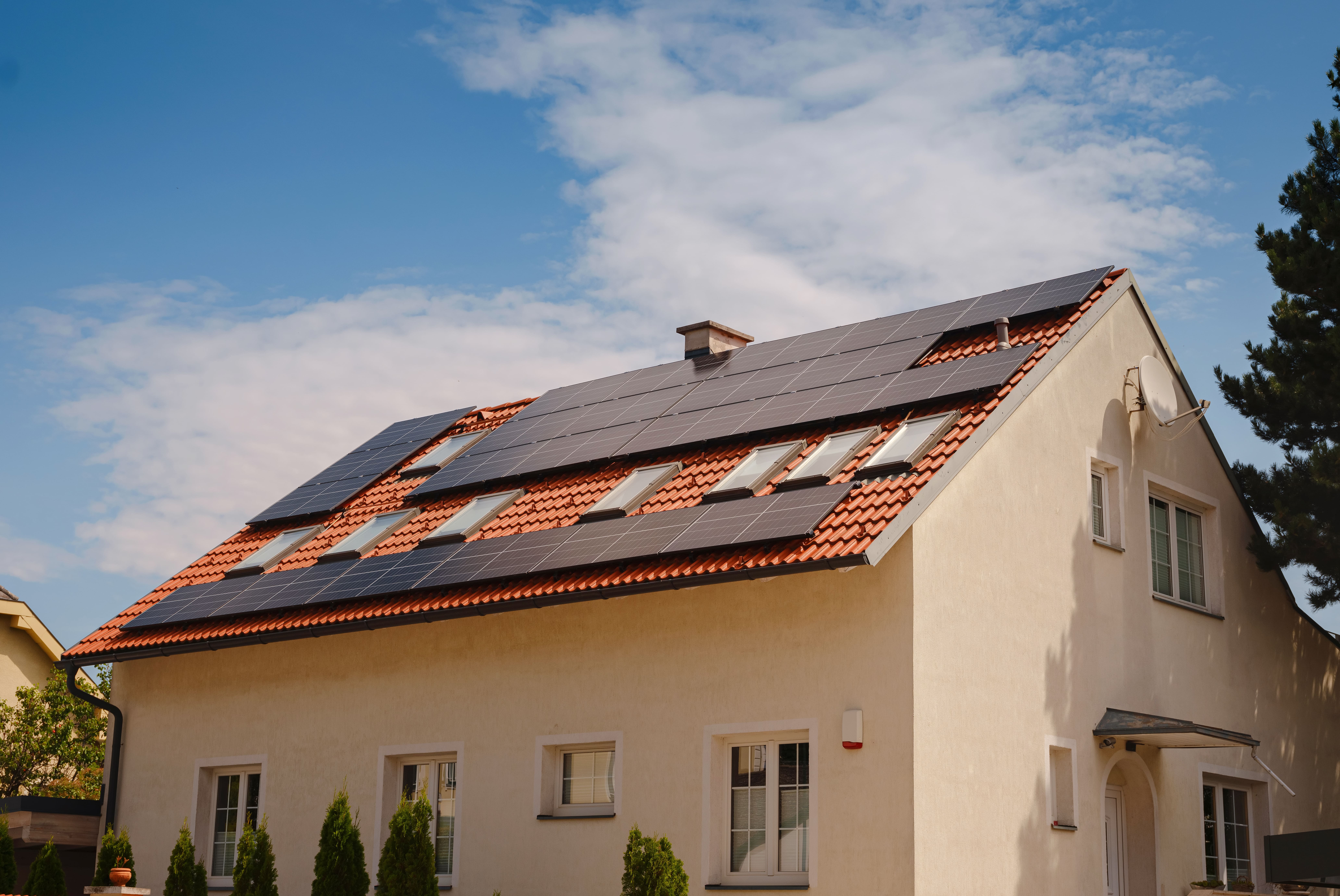
As renewable energy expands and global efforts toward decarbonisation accelerate, connecting a solar PV system to the electrical grid has become one of the most common and strategic solutions for households, businesses and local communities. Integrating a solar array with the public grid allows energy production to be used at its full potential, balancing self-consumption, energy flows and economic benefits. The result is a modern and sustainable model that reduces environmental impact and significantly lowers electricity costs.
This guide provides a complete, up-to-date and accessible overview of how a grid-connected solar system works, from operating principles and technical components to regulations, administrative procedures, costs, timelines, safety considerations and energy exchange mechanisms. Everything is explained with a clear, professional tone designed for non-experts who want in-depth, reliable information.
Why connect a solar system to the grid
A grid-connected solar system is the most widespread setup for maximising the benefits of solar energy. Why is it so essential today? Because it allows users to integrate their own power production with the public grid, ensuring optimal performance and continuous energy availability at any time of day.
Off-grid systems offer full independence but require large storage units and more complex management. Grid-connected systems, on the other hand, are more stable, safer and generally more cost-effective. On cloudy days or at night, the grid automatically supplements consumption; during peak production hours, any surplus energy can be fed back into the grid and credited to the user.
The result is an ideal balance between energy autonomy and supply security. Users significantly reduce the electricity they draw from the grid without risking energy shortages. In many countries, compensation programmes for exported energy also offer tangible financial returns.
How a grid-connected solar system works
System structure: from sunlight to the grid
A grid-connected PV system relies on several precise components working together:
PV modules, which produce direct current (DC) electricity
Inverter, which converts DC into alternating current (AC)
AC/DC electrical panels and protection devices
Bidirectional meter, which measures imported and exported energy
Public electrical grid, which acts as an energy buffer
When sunlight hits the panels, they generate DC electricity that is sent to the inverter. After conversion into AC, the energy is used to power household or commercial loads: lighting, appliances, and electronic devices. If production exceeds consumption, the surplus is automatically exported to the grid.
The inverter: the technological heart of the system
Beyond simple power conversion, the inverter manages:
grid synchronisation
production monitoring
export power control
safety parameters
communication with monitoring systems
anti-islanding protection during outages
This last function is critical: anti-islanding ensures that the system shuts down instantly during a blackout to protect maintenance workers on the grid.
The bidirectional meter: measuring everything
A bidirectional meter is essential in any grid-connected setup. It measures:
energy imported from the grid
energy exported back to the grid
These data are used for billing and for calculating compensation under energy-exchange programmes.
Technical requirements for grid connection
Mandatory components
A compliant grid-connected system typically includes:
PV Modules
Selected based on power rating, efficiency, technology (mono, poly, glass-glass) and installation type (pitched roof, flat roof, ground-mounted).
Certified inverters
Including:
string inverters
hybrid inverters (battery-ready)
microinverters
DC-side protection
disconnectors
fuses
surge protection devices (SPD)
AC-side protection
circuit breakers
RCDs
interface protection devices (where required)
Electrical panels
Designed to ensure proper energy flow and maximum safety.
Monitoring systems
Most modern systems include apps or cloud platforms offering:
real-time production data
historical analysis
early fault detection
Grid connection procedure (General International Process)
Application to the local grid operator
The installer submits the connection request, usually including:
system description
module and inverter specifications
single-line diagram
site plan
customer details
Grid operator’s offer
The operator provides:
technical connection costs
possible upgrades to the local grid
estimated timelines
conditions for activation
The customer must formally accept the offer.
System installation
Once approved, the installer proceeds with:
mounting of PV panels
DC and AC wiring
inverter installation
electrical panel setup
configuration of protections
monitoring setup
Testing and commissioning follow.
Final grid operator intervention
The operator performs:
meter replacement or upgrade
technical inspections
system activation
From this point, the system can operate normally and export energy.
Energy exchange options
Net metering / Net billing (depending on the country)
Common mechanisms allow:
compensation between imported and exported energy
financial credits on the bill
annual settlement
Feed-in tariffs or market-based compensation
Used mainly for larger systems:
remuneration for exported energy
payments based on market prices or fixed tariffs
Self-consumption and energy communities
Growing worldwide, enabling:
reduced energy costs
increased renewable share
environmental and social benefits
Costs of connecting a solar system to the grid
Typical cost components include:
administrative fees
installation
protection devices
grid operator work
monitoring systems
maintenance
Safety and reliability of grid-connected solar systems
Safety is ensured through:
AC and DC protection devices
anti-islanding systems
compliant grounding
intelligent monitoring
Modern systems detect anomalies in real time, making operation highly reliable.
Common mistakes to avoid
incorrect system sizing
ignoring technical standards
insufficient protection devices
neglecting self-consumption strategies
incomplete documentation
Avoiding these ensures performance, safety and compliance.
FAQ
Does the system work during a blackout?
No. For safety reasons, it automatically shuts down.
Can an existing system be connected to the grid?
Yes, if it meets current technical standards and includes the required protections.
Is a bidirectional meter always necessary?
Absolutely.
A grid-connected solar system is the foundation of modern solar energy production. It enables the efficient use of clean energy, reduces electricity consumption and provides long-term financial benefits. When properly designed and installed, it offers a reliable, efficient and highly advanced solution that supports the global energy transition.
Purchase your EV Charger
Our expert will contact you to offer you the most suitable solution for you.