Apr 20, 2026
High-performance photovoltaic solar panels: a smart choice for the energy future
Advanced technologies, higher efficiency, and tangible benefits for reliable and sustainable solar energy production over time
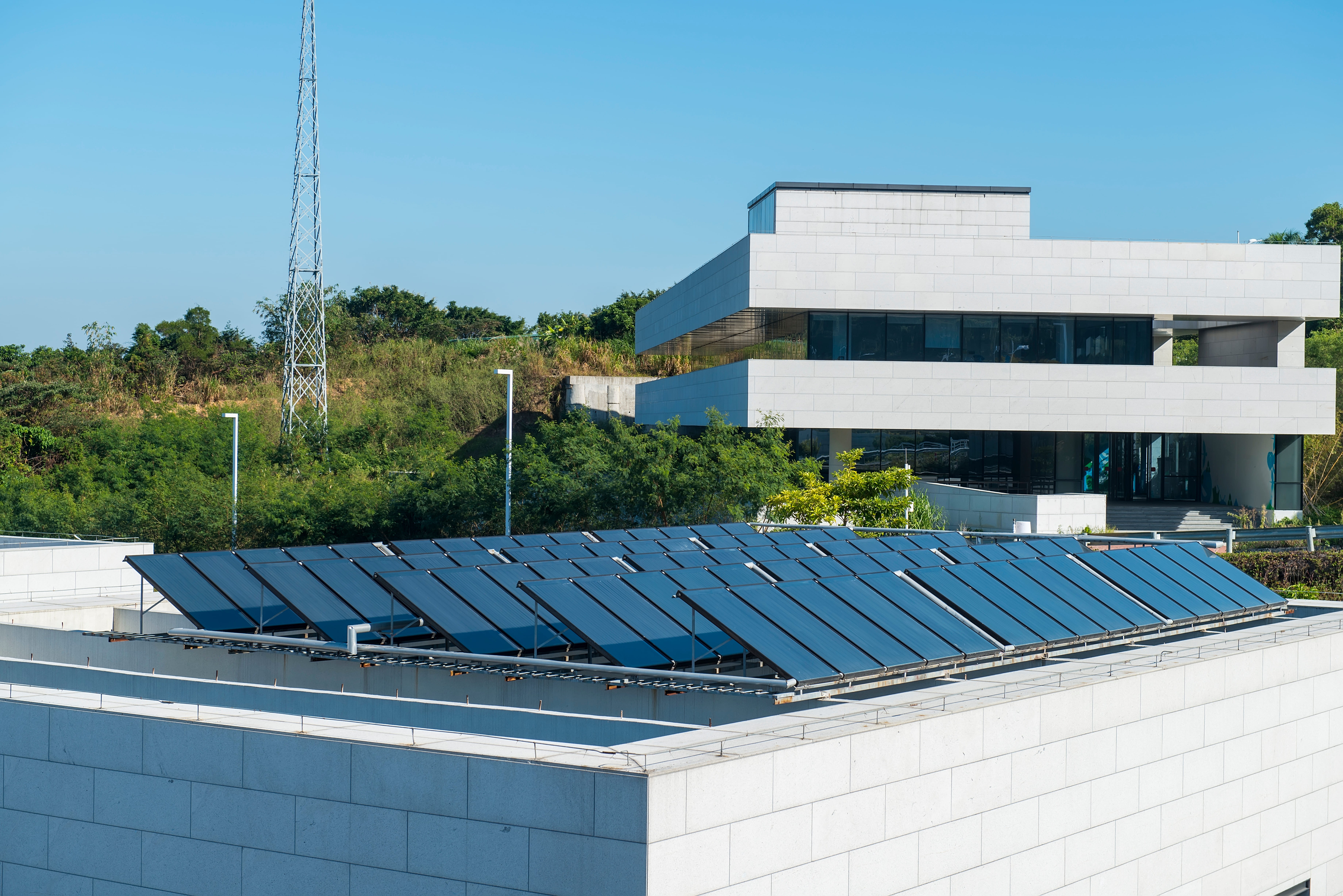
The energy transition is no longer an abstract goal, but a concrete reality that is profoundly transforming the way energy is produced and used. Growing attention to emissions reduction, rising fossil fuel costs, and the need to ensure energy security are making renewable energy sources increasingly central. In this context, photovoltaics stand out as one of the most effective, reliable, and accessible solutions.
In recent years, not only has the adoption of solar systems increased, but the quality of available technologies has also evolved significantly. In the past, the main focus was simply the ability to produce energy from the sun. Today, attention has shifted toward efficiency, continuity of production, and the ability to adapt to increasingly complex scenarios. This is where high-performance photovoltaic solar panels come into play, designed to deliver superior results in terms of efficiency and reliability.
Growing adoption of high-efficiency solar systems
The rise of high-efficiency photovoltaic systems is a direct response to new energy demands. Modern buildings, especially in residential and urban environments, often have limited space available for panel installation, while electricity consumption continues to increase. Electric mobility, climate control, digital systems, and automation all require an increasingly stable energy supply.
In this context, maximizing output per square meter becomes essential. High-performance photovoltaic panels increase energy production without expanding the occupied space, offering a practical and rational solution to a growing challenge. It is no coincidence that these technologies are increasingly chosen both for new installations and for upgrading existing systems.
Central role of energy optimization
Energy optimization is not only about how much energy is produced, but also how and when it is generated. High-performance panels are designed to maintain good efficiency even under less favorable conditions, such as high temperatures, uneven irradiance, or partially disadvantaged exposure.
This more stable behavior makes energy production more predictable and reliable. In practical terms, it means being able to rely on a system that performs well not only on ideal days, but also in everyday conditions, an advantage that is particularly important when the energy produced is used directly to cover building consumption.
Meaning and characteristics of high-performance photovoltaic panels
The term “high-performance photovoltaic solar panels” is often used, but not always with sufficient precision. In reality, it refers to a well-defined category of modules that stand out for superior technical specifications compared to traditional standards. Understanding this distinction is essential for correctly evaluating available solutions and making informed choices.
Concept of efficiency in next-generation solar modules
Efficiency represents a panel’s ability to convert sunlight into usable electrical energy. In high-performance modules, this value is significantly higher, allowing more energy to be produced with the same installed surface area. This is a key factor, especially when space is limited or when maximizing self-production is a priority.
This result does not come from a single improvement, but from the integration of higher-quality materials, more advanced cell architectures, and optimized manufacturing processes. In other words, every detail is designed to reduce losses and maximize the available energy.
Conversion of solar energy into electricity
Electricity production occurs through the photovoltaic effect, a physical phenomenon that allows certain semiconductor materials to generate current when exposed to sunlight. In high-performance panels, this process is optimized to better exploit the solar spectrum and improve the collection of generated electrical charges.
The result is more consistent and reliable production, even under variable irradiance conditions—an important advantage in climates that are not always ideal or that experience strong seasonality.
Reliability and long-term production continuity
Another defining feature of high-performance photovoltaic panels is their ability to maintain good efficiency levels over time. While all modules experience natural performance degradation, higher-quality panels exhibit a more gradual and limited decline.
Lower performance loss over time means greater predictability, improved economic stability, and better use of the investment. In practical terms, the system continues to perform year after year, delivering results that are more consistent with initial expectations.
Construction and operation of photovoltaic modules
To fully understand the performance of a photovoltaic panel, it is also useful to examine how it is built and how it works. Every component contributes, directly or indirectly, to overall efficiency, durability, and lifespan.
Main elements of a solar panel
A photovoltaic panel is the result of integrating several elements designed to work together harmoniously. The cells represent the core of the system, but their effectiveness also depends on the quality of supporting and protective materials.
High-efficiency photovoltaic cells
Cells are responsible for converting sunlight into electrical energy. In high-performance panels, cells are designed to maximize radiation absorption and minimize internal losses. The use of high-quality materials allows for more efficient electron flow, improving output power.
In practical terms, this results in higher energy production and better responsiveness to changing environmental conditions.
Protective and structural components
In addition to cells, the panel includes a high-transparency front glass, a structural frame, and a protective back layer. These elements shield sensitive components from weather, mechanical stress, and thermal fluctuations.
In high-performance modules, the quality of these components significantly contributes to system durability and long-term performance retention.
Mechanism of electrical energy production
The operation of a photovoltaic panel is simple in principle, yet extremely effective. When sunlight strikes the cells, direct current is generated, which can be used or converted to power electrical devices.
Physical principle of photovoltaic generation
Photons transfer their energy to electrons in the semiconductor material, setting them in motion and creating an electrical current. In high-performance panels, this process is optimized to reduce losses and improve charge collection, increasing overall system efficiency.
Advanced technologies for high-performance solar panels
The progress of high-performance photovoltaic panels is the result of continuous technological evolution aimed at producing more energy, more consistently, and with fewer losses. In recent years, innovation has focused primarily on improving photovoltaic cells, the core component responsible for overall performance.
Today, advanced technologies are no longer niche solutions, but the benchmark standard for systems targeting high efficiency and reliable long-term production.
High-yield monocrystalline modules
Monocrystalline modules form the basis of most high-performance photovoltaic panels currently available. Their widespread adoption is linked to the structural characteristics of monocrystalline silicon, which enables more efficient energy conversion compared to other solutions.
Crystalline structure and electrical behavior
Monocrystalline silicon features a uniform atomic structure that facilitates electron movement within the cell. This reduces internal electrical losses and improves current collection from sunlight.
In high-performance panels, this base is further enhanced through surface treatments and passivation techniques that limit electron recombination, resulting in more efficient and responsive cells even under non-ideal operating conditions.
Advantages in energy production
Thanks to their high yield, monocrystalline modules deliver greater energy output per square meter. This advantage is especially evident in installations with limited space or where maximizing installed capacity is essential.
As a result, these modules are increasingly chosen for residential, commercial, and industrial applications focused on performance optimization.
Technological solutions to increase efficiency
Beyond monocrystalline structure, high-performance solar panels integrate specific technologies designed to further enhance efficiency and long-term stability. Among the most relevant are PERC, TOPCon, HJT, and IBC architectures, each with distinct features and advantages.
PERC architecture modules
PERC technology introduces an additional layer on the rear side of the cell, designed to reflect unabsorbed light back into the active material.
Improved light absorption
This mechanism increases interaction time between solar radiation and silicon, improving electron generation probability. In practical terms, light that would otherwise be lost is recovered and converted into usable energy.
Increased annual production
The efficiency gain offered by PERC technology translates into higher annual energy output, making these modules particularly attractive for systems focused on maximizing self-consumption and long-term performance stability.
TOPCon technology modules
TOPCon technology is based on introducing advanced passivation layers on cell contacts to reduce electrical losses and improve charge collection.
Reduced electrical losses
Contact passivation significantly reduces electron recombination, increasing available output current and overall module efficiency.
Long-term performance stability
Another key strength of TOPCon modules is their long-term stability. Performance degradation occurs more slowly, ensuring consistent and predictable energy production even after many years of operation.
HJT technology modules
HJT technology combines crystalline silicon and amorphous silicon in a single architecture, leveraging the complementary properties of both materials. This approach delivers highly efficient and versatile cells across different environmental conditions.
High efficiency at elevated temperatures
One of the main advantages of HJT modules is their favorable thermal behavior. Reduced performance losses at high temperatures help maintain strong output even during the hottest months.
Stable performance in variable climates
Thanks to their structure, HJT modules provide more stable production under variable irradiance and significant temperature fluctuations, making them suitable for a wide range of climates.
IBC back-contact modules
IBC technology relocates all electrical contacts to the rear side of the cell, eliminating shading on the front surface.
Maximization of active surface area
The absence of front-side contacts increases absorbed radiation, improving overall cell efficiency.
Optimized power density
This configuration makes IBC modules particularly suitable for high power-density applications, where maximizing output from limited surfaces is essential.
Technical parameters and energy performance indicators
To properly evaluate high-performance photovoltaic solar panels, it is essential to analyze key technical parameters that determine real-world behavior. These indicators allow comparison between available solutions and help identify those best suited to specific system requirements.
Nominal efficiency of solar panels
Nominal efficiency indicates a panel’s ability to convert incident solar energy into electrical energy. In high-performance modules, this value is generally higher than in standard panels.
Difference between laboratory data and real use
Declared values are measured under standardized conditions that do not always reflect real operating environments. For this reason, it is important to consider performance under everyday conditions with variable irradiance and non-ideal temperatures.
Influence of solar irradiance
The quality and intensity of solar radiation directly affect energy production. High-performance panels are designed to perform well even under diffuse or partially shaded light.
Thermal behavior of photovoltaic modules
Temperature behavior is a critical factor in real energy production, especially in regions with hot summers.
Temperature coefficient
The temperature coefficient indicates how much panel power decreases as temperature rises. A lower value means reduced performance losses under high heat conditions.
Importance in mediterranean climates
In areas with high summer temperatures, good thermal behavior helps preserve a significant portion of energy production, improving overall system efficiency.
Power density of panels
Power density expresses how much energy can be produced per unit of installed surface area.
Peak power per unit area
High power density allows more performant systems to be installed on smaller surfaces, making high-performance panels especially effective where space is limited.
Solutions for limited spaces
The ability to achieve high output in compact spaces expands installation opportunities and supports wider photovoltaic adoption in previously unsuitable contexts.
Benefits of high-performance photovoltaic solar panels
Choosing high-performance photovoltaic solar panels means opting for a solution that delivers tangible benefits throughout the entire system lifecycle. These advantages extend beyond increased energy production to include reliability, economic sustainability, and adaptability to evolving energy needs.
Energy production advantages
The most immediate benefit is higher electricity production compared to traditional panels. Thanks to high cell efficiency and optimized conversion processes, high-performance modules make better use of available solar radiation.
Greater amount of self-produced energy
Higher production covers a larger share of building electricity consumption, reducing reliance on the grid, particularly advantageous where energy is consumed directly, such as in homes or industrial facilities.
Optimization of self-consumption
Increased self-consumption maximizes economic benefits and reduces exposure to energy price fluctuations by using electricity at the moment it is produced.
Reduced dependence on the power grid
Greater energy autonomy translates into lower grid dependence and more stable long-term costs, making the system a reliable daily resource.
Economic benefits over the system lifecycle
Although high-performance panels may involve slightly higher initial investment, economic advantages become clear over the medium and long term.
Reduced cost of produced energy
Higher output, longer operational life, and lower degradation reduce the overall cost of produced energy: an important indicator for assessing real system value.
Improved return on investment
Lower energy costs and more stable production make ROI more predictable and often faster, providing greater financial confidence and long-term value.
Long-term economic assessment
Looking beyond initial cost highlights the solid and consistent results high-performance solutions deliver throughout their useful life.
Reliability and operational performance
Another strength of high-performance photovoltaic panels is high operational reliability. Material and technology quality ensure stable and continuous operation.
Long-term production stability
Reduced performance degradation maintains high output even after many years, offering consistent results without surprises.
Lower need for corrective interventions
More stable operation reduces the likelihood of failures and extraordinary maintenance, lowering management and upkeep costs.
Operational continuity of the system
Operational continuity is especially critical in commercial and industrial contexts, where interruptions can impact daily activities.
Applications of high-performance photovoltaic panels
The flexibility of high-performance photovoltaic panels allows their use in a wide range of contexts, from modest to high energy demands.
Residential photovoltaic systems
In residential applications, high-performance panels effectively optimize energy production even with limited space.
Homes with limited surface area
Many residential buildings have small or complex roofs. High-efficiency modules provide adequate production without expanding installed surface area.
Integration with energy storage systems
Pairing with storage systems allows excess energy to be stored and used during peak demand periods, such as evenings.
Optimization of household energy use
More efficient energy management reduces utility bills and improves living comfort, making photovoltaic systems a daily asset.
Commercial and industrial photovoltaic systems
In commercial and industrial sectors, high-performance panels play a strategic role in reducing energy costs and improving sustainability.
Production and office buildings
Warehouses, factories, and office buildings often have high energy consumption. High-efficiency modules maximize available surfaces and cover significant demand.
Coverage of high energy requirements
Greater energy production reduces operating costs and supports more efficient energy resource management.
Continuity and reliability of production
Stable and predictable energy output represents a significant competitive advantage for industrial operations.
Specialized and Integrated Installations
High-performance panels are also used in contexts with architectural or landscape constraints.
Advanced architectural solutions
In historic buildings or regulated areas, solutions must combine energy efficiency with aesthetics.
Aesthetic integration of solar modules
High power density reduces the number of required panels, facilitating visual and architectural integration.
Compliance with urban planning constraints
Achieving good performance with fewer modules simplifies regulatory compliance and expands installation opportunities.
How to choose high-performance photovoltaic panels
Selecting high-performance photovoltaic panels requires careful analysis of multiple factors beyond simple price comparison.
Analysis of technical characteristics
Technical datasheets provide valuable performance information and form the primary evaluation tool.
Reading and comparing product datasheets
Comparing technical data helps identify differences between solutions and understand which parameters most affect real energy production.
Key selection parameters
Efficiency, thermal behavior, and power density are among the most relevant selection criteria.
Often overlooked indicators
Annual performance degradation and material quality significantly impact long-term results and deserve careful consideration.
Quality, certifications, and reliability
Construction quality is essential to ensure stable and durable performance.
International quality standards
Certifications confirm compliance with recognized standards and guarantee product safety and reliability.
Resistance and durability testing
High-performance panels undergo rigorous testing simulating harsh environmental conditions to verify robustness and stability.
Product Compliance Guarantees
Certifications reduce investment risk and provide objective quality benchmarks.
Warranties and Manufacturer Stability
Beyond technical features, warranties and manufacturer reliability are crucial considerations.
Product and Performance Warranties
Warranties cover manufacturing defects and long-term performance retention, offering greater peace of mind.
Importance of After-Sales Support
Efficient support services help quickly resolve issues and maintain system continuity.
Long-Term Support Continuity
A manufacturer’s established market presence provides additional security, especially for systems designed to operate for decades.
Comparison between high-performance and standard photovoltaic panels
To make an informed photovoltaic choice, comparing high-performance panels with traditional standard modules is useful. This comparison should go beyond purchase price to include efficiency, durability, and long-term system value.
Differences in energy yield
The most evident difference lies in energy production capacity. High-performance panels deliver superior yield, especially when installation space is limited or maximum output is desired.
Production per Installed Surface Area
For the same surface area, high-performance modules allow higher installed power, resulting in greater annual production and immediate benefits in self-consumption and reduced grid draw.
Long-Term Real Performance
Beyond initial power, long-term behavior is crucial. High-performance modules maintain more stable output thanks to lower degradation and higher build quality.
Performance Degradation Analysis
Slower degradation ensures continuity of yield and better predictability of energy and economic outcomes over time, strengthening investment reliability.
Cost Differences and Overall Value
Initial cost is often a key evaluation factor, but it does not tell the whole story.
Initial System Investment
High-performance photovoltaic panels may require higher upfront investment, which should be assessed in light of superior performance and longer operational life.
Cost–Benefit Ratio
When energy production, reliability, and reduced long-term losses are considered, the cost–benefit ratio often favors high-performance solutions.
Overall Economic Assessment
Lifecycle analysis shows that high-performance panels frequently offer greater overall value and more stable long-term profitability.
Installation, Management, and Maintenance of Photovoltaic Systems
Even the most efficient panels reach their full potential only when integrated into properly designed and managed systems. Installation and maintenance therefore play a fundamental role in achieving optimal results.
Technical System Design
Design forms the foundation of overall photovoltaic system performance.
Panel Orientation and Tilt
Orientation and tilt directly affect annual solar energy capture. Accurate design maximizes available irradiance and reduces losses from suboptimal exposure.
Maximization of Annual Production
Correct positioning ensures more balanced energy distribution across seasons, improving overall system efficiency.
Adaptation to Site Conditions
Each installation has unique characteristics, such as shading, structural constraints, or climate conditions. Adapting the design to real-world context is essential to fully exploit high-performance panel capabilities.
Monitoring and Maintenance Over Time
Careful system management preserves efficiency and enables early detection of anomalies.
Performance Monitoring
Monitoring continuously tracks energy production and compares it with initial expectations, enabling prompt action in case of deviations.
Prevention of Efficiency Losses
Early identification of performance drops reduces impact on total production and maintains optimal operating conditions.
Preservation of Nominal Performance
Regular, even minimal, routine maintenance helps preserve nominal panel performance and extend system lifespan.
Regulations, Incentives, and Future Outlook for Photovoltaics
The regulatory framework and incentive systems significantly influence photovoltaic adoption and investment attractiveness. Understanding this context enables more effective and informed system planning.
Regulatory Framework for Solar Systems
Regulations define technical and procedural requirements for photovoltaic installation and operation.
Installation and Grid Connection Rules
Authorization procedures and grid connection rules vary by system type and capacity. Compliance is essential for safety and conformity.
Technical Compliance and Safety
Meeting technical standards reduces operational risks and ensures reliable long-term operation.
System Owner Responsibilities
The owner is responsible for proper system management and regulatory compliance, contributing to overall system safety.
Incentives and Economic Support
Incentive mechanisms are important drivers of photovoltaic development.
Support Instruments for Photovoltaic Systems
Incentives take various forms, directly reducing initial investment or improving overall system profitability.
Impact on Economic Feasibility
Incentives enhance photovoltaic affordability and accessibility, including for advanced technological solutions.
Evolution of Support Mechanisms
Over time, incentives have evolved to promote increasingly efficient and sustainable systems, rewarding quality and performance.
Future technological developments
The photovoltaic sector continues to evolve rapidly, with ongoing improvement prospects.
Continuous efficiency improvement
Research focuses on increasing module efficiency and reducing production costs, making photovoltaics ever more competitive.
New solutions for solar production
New materials and advanced architectures promise further gains in efficiency, integration, and durability.
Sector development scenarios
Future scenarios indicate growing adoption of high-performance panels as the reference standard for solar energy production.
Summary of the advantages of high-performance photovoltaic panels
High-performance photovoltaic solar panels provide a concrete and reliable response to modern energy needs. With high efficiency, stable performance, and adaptability to diverse contexts, they offer significant added value over traditional solutions.
Strategic role for energy efficiency and sustainability
Adopting high-performance modules enables more effective use of available resources, reducing environmental impact and improving economic sustainability.
Economic, environmental and technological benefits
Benefits extend beyond individual users to the entire energy system, fostering more responsible and innovative energy management.
Central role in the future of solar energy
On the path toward a more sustainable energy model, high-performance photovoltaic solar panels are set to play a central role, contributing concretely to the transition toward a more efficient and conscious future.
Purchase your EV Charger
Our expert will contact you to offer you the most suitable solution for you.