Feb 11, 2026
How to charge an electric car during a blackout: real solutions and limits to know
What happens to home and public charging when electricity is unavailable, and which alternatives exist in the event of a prolonged blackout.
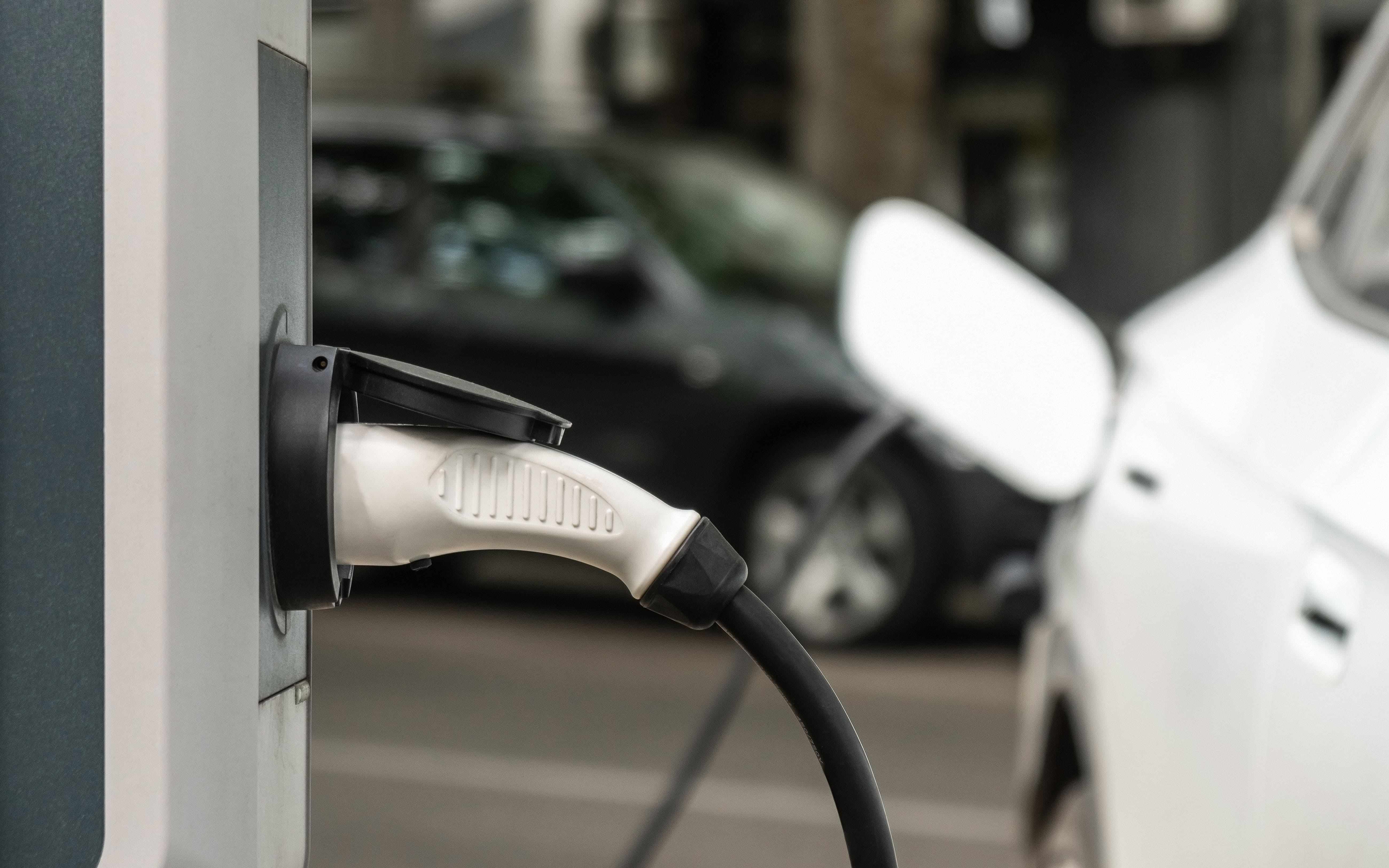
With the spread of electric vehicles, home charging has become part of everyday life. However, when a blackout or an unexpected power outage occurs, this routine suddenly disappears and a very practical question arises: is it possible to charge an electric car when there is no electricity?
The answer is not alarming, but it does require clarity. It is essential to distinguish between what is technically possible and what remains a myth. This is why it is useful to address the topic in an orderly, realistic way, with correct expectations.
What happens to electric car charging when the power goes out
An electric car is strictly dependent on the availability of energy. When electricity is cut, charging also stops. This can cause concern, especially if the remaining driving range is low.
However, one key point should be kept in mind: a blackout is an occasional event, not the norm. As such, it should be managed with awareness rather than anxiety.
Blackouts and power outages: what they really mean
Sudden blackouts, scheduled disconnections, and voltage drops
Not all power interruptions are the same. They may include:
sudden blackouts caused by faults or extreme weather events;
scheduled disconnections for grid maintenance;
brief voltage drops.
From a charging perspective, the result is the same: electrical power is not available.
Localized and large-scale outages
A blackout may affect:
a single home;
a neighborhood;
a very large area.
The wider the outage, the fewer immediate alternatives are available.
Average duration and restoration times
In most cases, a residential blackout lasts from a few minutes to a few hours. Much longer events are rare.
Impact on household power supply
During a blackout, the following stop working:
electrical outlets;
wallboxes;
household appliances and charging systems.
How electric car charging works under normal conditions
Home charging connected to the grid
The most common charging method relies on the electricity grid.
Household socket and slow charging
This option is simple but slow and entirely dependent on household electricity.
Wallbox and controlled charging
A wallbox improves safety and efficiency, but without power it remains inactive.
Public charging
Public charging stations also depend on the electricity grid and do not operate during a blackout.
The central role of electricity
In short: without electrical power, charging is not possible, regardless of the type of charging point.
What happens to electric car charging during a blackout
Automatic interruption of charging
If the power goes out during a charging session, the process stops immediately.
Why wallboxes and charging stations stop working
Charging systems are designed to shut down for safety reasons when the power supply is unstable.
Suspended charging vs. impossible charging
If power returns, charging can resume.
If power is unavailable, charging is impossible.
Is it possible to charge an electric car without electricity?
In most cases, no.
When charging is not feasible
widespread blackouts;
lack of backup systems;
public charging stations out of service.
When limited charging is possible
Only when independent energy sources are available.
Emergency charging
The goal is to recover a minimum driving range, not to fully charge the vehicle.
Realistic solutions for charging an electric car during a blackout
Home energy storage systems
Basic operation
They store energy to supply certain household loads.
Available energy
It is limited and often prioritized for other uses.
Practical limits
They are not always suitable for supporting EV charging.
Photovoltaic systems with backup functionality
Why standard solar systems do not work
Many systems shut down without the grid for safety reasons.
When they can help
Only if equipped with dedicated backup systems.
Emergency power generators
Types
Portable or fixed, with varying power outputs.
Compatibility
They allow slow, controlled charging.
Safety
They must be used correctly, without improvised solutions.
Solutions that do not allow charging during a blackout
Public charging stations
They do not work without the grid.
Household sockets without power
They are unusable during an outage.
Improvised solutions
Power banks and similar devices are not suitable.
Common myths
Charging “somehow” without electricity is, in most cases, unrealistic.
How much range can realistically be recovered in an emergency
Minimal charging
Often sufficient only for essential trips.
Slow charging vs. fast charging
Fast charging is not possible during a blackout.
Realistic goal
Getting out of the emergency, not fully charging the car.
Correct expectations
Emergency charging is a backup, not an everyday solution.
How to prepare for a blackout if you own an electric car
Everyday best practices
avoid frequently dropping below critical charge levels;
charge regularly.
Preventive range management
Keeping a safety margin reduces problems and stress.
Areas prone to blackouts
More careful planning is useful in these cases.
When to consider backup solutions
Occasional blackouts
They usually do not justify major investments.
Frequent blackouts
A targeted evaluation may make sense.
Specific contexts
Isolated homes or properties with particular needs.
Frequently asked questions about charging during a blackout
Is it possible to charge if power is out across the entire area?
Only with independent energy sources.
Is a photovoltaic system enough on its own?
No, a backup system is required.
How much range can be recovered in an emergency?
Generally limited.
Is a blackout a daily risk?
In most cases, no.
Charging an electric car during a blackout is possible only in specific situations and with dedicated solutions. In everyday life, the best strategy remains prevention: managing range wisely and maintaining realistic expectations.
Emergency charging can help, but it does not replace the electricity grid. And this does not reduce the reliability of electric vehicles, which remain a solid choice even when, from time to time, the power decides to stop.
Purchase your EV Charger
Our expert will contact you to offer you the most suitable solution for you.