Dec 25, 2025
Photovoltaic energy in Europe: the future of renewable power
Photovoltaic energy: the key to a sustainable energy future in Europe and around the world.
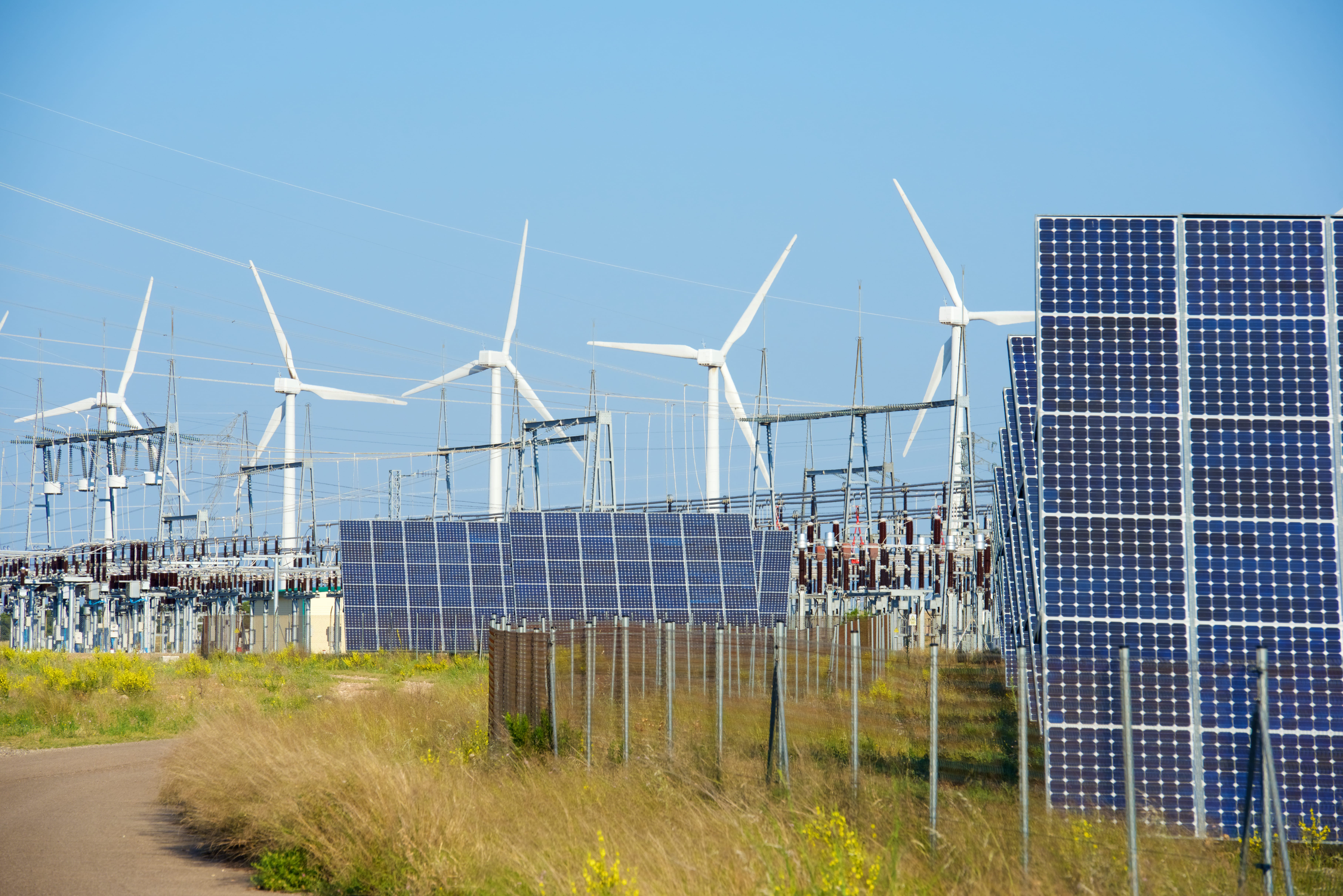
Solar photovoltaic energy is rapidly emerging as one of the most promising solutions for the future of global energy. Thanks to its abundance, accessibility, and continuous technological innovation, photovoltaics is expected to become the world’s leading source of energy by 2050, surpassing both gas and coal. In Europe, the adoption of solar panels is accelerating thanks to favourable policies and incentives that make this technology increasingly accessible for households, small businesses, and large companies alike. Solar power is not only an effective response to the growing demand for clean energy but also a unique opportunity to combat climate change by reducing CO₂ emissions and promoting energy self-sufficiency.
The Future of Energy: The Growing Role of Photovoltaics
Over the past decades, the global energy sector has undergone profound transformations, with a strong shift toward renewable sources. Within this context, photovoltaic energy is establishing itself as one of the most promising and accessible solutions to meet the rising demand for clean electricity. With the goal of reducing CO₂ emissions and tackling climate change, solar energy is becoming one of the primary energy sources of the future.
In Europe, and globally, solar power is reshaping the energy landscape, driven by a combination of continuous technological innovation and a sharp reduction in costs. By 2050, solar production could surpass every other energy source, including gas, coal, and even wind. This section explores why this shift is happening and why photovoltaic energy is set to become the backbone of the global energy system.
What is solar energy and how is it transforming Europe’s energy landscape?
Photovoltaic energy is the process of converting sunlight into electricity through solar panels. These panels contain photovoltaic cells that exploit the photovoltaic effect, a physical phenomenon whereby sunlight striking semiconductor materials triggers the flow of electricity. This technology is not only one of the most promising forms of renewable energy but also one of the most widely deployed worldwide.
In Europe, photovoltaics has become one of the most adopted renewable energy solutions. Its rapid growth has been supported by favourable government policies, tax incentives, and increased public awareness of the environmental benefits of solar energy. Countries such as Germany, Spain, and Italy have strongly pushed PV adoption through legislation and incentive programs that have facilitated large-scale deployment.
Why Photovoltaics Is Set to Become the Leading Energy Source by 2050
By 2050, photovoltaic energy is projected to become the world’s main source of electricity. This is not just an ambitious target but a projection grounded in concrete data and observable trends. The main drivers of this growth are continuous technological innovation and falling costs. Today, the price of installing a photovoltaic system has dropped dramatically, making it accessible to both private consumers and businesses.
Moreover, solar energy is one of the most abundant and evenly distributed resources on Earth. Every day, the Sun delivers more energy to the planet than humanity could ever consume. Unlike fossil fuels, solar energy is inexhaustible and available wherever sunlight exists.
Exponential growth of photovoltaics
Global trends and future expansion of solar energy
Global photovoltaic growth has been remarkable, especially over the last decade. According to the International Energy Agency (IEA), global PV capacity has increased by around 30% annually since 2010, driven by public policies and rapid technological progress.
Governments worldwide are recognising the potential of PV energy as a key solution for reducing emissions and transitioning to sustainable energy systems. In Europe, the shift toward a low-carbon energy model is strengthened by initiatives such as the European Green Deal, which aims to make Europe the first climate-neutral continent by 2050.
Globally, China has dominated the photovoltaic market, both in manufacturing and in large-scale installations. Europe, however, is becoming an increasingly relevant player, with significant growth recorded in countries like Germany, Italy, France and Spain.
Solar power deployment forecasts in Europe
Europe is expected to play a central role in the future of solar energy. Projections indicate that photovoltaic capacity could exceed 300 GW by 2030—double the 150 GW installed in 2020. This growth is driven by favourable policies, tax incentives, renewable energy funding, and an increasing focus on self-consumption.
Installations are no longer limited to industrial-scale systems: families and small businesses are increasingly adopting modular and scalable PV solutions, thanks to decreasing panel prices and more efficient technologies.
Why solar energy is the energy source of the future
Solar energy as an inexhaustible renewable resource
One of the main reasons photovoltaics is becoming the energy source of the future is that solar power is virtually limitless and universally available. The Sun provides hundreds of times more energy each day than what humanity consumes globally. Unlike fossil fuels, solar energy is not tied to finite reserves.
Solar energy is also evenly distributed geographically, making it accessible in almost every region of the world. This advantage sets it apart from fossil fuels, which are concentrated in limited areas.
How photovoltaics compares to other renewable technologies
Compared to wind or hydropower, photovoltaics offers key advantages:
It is modular and scalable
It can be integrated into urban environments
It does not require large land areas or major infrastructure
It can be installed on roofs, façades, and existing structures
As solar efficiency improves and panels perform better even under low light, PV technology becomes ever more competitive.
The Evolution of Solar Panels: Technology Driving Change
Declining Costs and Increased Accessibility
One of the main drivers of PV expansion is the massive drop in costs. Over the past decade, solar panel prices have fallen by more than 80%. This is due to:
Technological advances
Economies of scale
More efficient manufacturing
As costs fall and efficiency improves, photovoltaic systems have become accessible to households, SMEs and large industries.
Bifacial panels, transparent modules and new sustainable solutions
Innovation is introducing next-generation technologies such as:
Bifacial panels, which capture sunlight from both sides
Transparent modules, allowing solar integration into windows and façades
New materials with lower environmental impact
Solar windows, semi-transparent modules, and perovskite-based cells could revolutionise the sector in the coming years.
Improved Efficiency and Durability
Modern PV panels:
convert a greater share of sunlight into electricity
have a lifespan of 25–30 years
degrade far more slowly than older models
are designed to resist extreme weather
Solar power and self-consumption: the rise of cecentralised energy
Energy self-sufficiency through residential and commercial PV systems
Self-consumption is one of the strongest drivers of photovoltaic adoption. Solar systems allow consumers to generate electricity independently, reducing dependence on the grid and lowering energy bills.
With battery storage, self-consumption becomes even more effective, enabling the use of stored solar energy at night or during low-production hours.
The Importance of Storage Systems
Energy storage systems (batteries):
store excess daytime energy
allow 24-hour use of solar power
increase energy independence
reduce vulnerability to grid outages
Falling battery costs are helping accelerate their widespread adoption.
Energy Communities and the Future of Distributed Energy
Renewable energy communities allow citizens, companies and public entities to share energy produced from solar installations. This promotes:
collaborative consumption
decentralisation
local energy resilience
Europe is encouraging energy communities through incentives and favourable legislation.
Solar energy and the fight against climate change
The positive impact of solar energy on CO₂ reduction
Solar energy plays a crucial role in reducing greenhouse gas emissions. Each kWh produced from solar power replaces a kWh that would otherwise come from fossil fuels.
Decarbonising Industry and the Energy Sector
Industries are increasingly adopting solar systems to:
reduce emissions
cut energy costs
increase competitiveness
Solar integration in industrial plants is becoming a strategic asset.
European energy policies supporting photovoltaics
EU goals for 2030 and 2050
The EU aims to become climate-neutral by 2050. Solar power is central to this strategy. By 2030, at least 40% of EU electricity should come from renewables.
Incentives and financial support
European countries offer:
tax incentives
subsidies
favourable loans
funding for renewables
These measures help families and businesses adopt solar energy more easily.
Technological innovation: the future of solar panels
Advances include:
bifacial modules
perovskite cells
transparent PV glass
flexible lightweight panels
Each innovation improves performance, lowers costs, and increases sustainability.
Hybrid and decentralised energy systems
Integrating PV with:
heat pumps
electric vehicles
storage systems
creates an efficient, resilient, independent energy ecosystem for homes and businesses.
Accessibility and financial solutions for installing solar systems
Many European countries offer tax credits covering 50–65% of installation costs.
Banks are also offering green loans for PV installations.
Solar energy and the european market: a growing sector
Europe is one of the world’s most active photovoltaic markets, with Germany, Spain, Italy, France and the UK leading installations and technological innovation.
The global transition and the future of solar energy
Photovoltaic energy will play a decisive role in Europe’s, and the world’s, energy future. With falling costs, continuous innovation and strong policy support, solar energy is a sustainable, convenient and increasingly accessible solution for households, businesses and governments.
The future of solar energy is bright. Europe is ready to lead the way toward a cleaner, more independent, and more resilient energy system.
Purchase your EV Charger
Our expert will contact you to offer you the most suitable solution for you.