Feb 10, 2026
Photovoltaic inverter not turning on: main causes, common errors, and effective solutions
Most common causes, checks to perform, and practical solutions to safely and effectively restore the operation of a photovoltaic inverter.
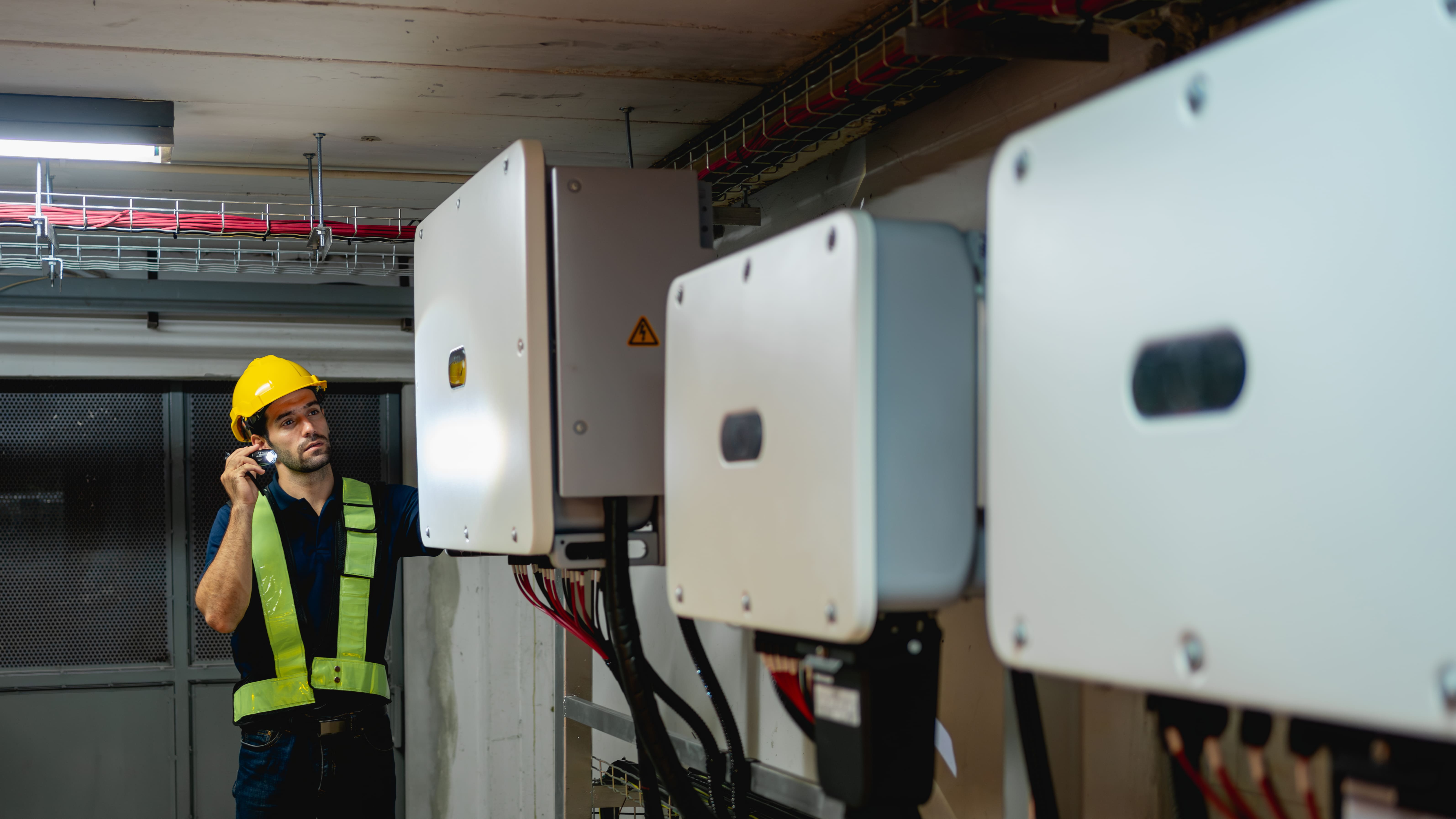
A photovoltaic inverter that does not turn on represents one of the most critical situations for anyone who owns a solar system. The absence of production is not only an immediate economic issue, but it can also be the sign of a technical condition that, if neglected, may compromise the reliability of the entire system. The good news is that, in most cases, the inverter’s failure to start is not due to an irreversible fault, but to identifiable causes that can be resolved with a methodical approach.
Understanding why an inverter does not turn on means adopting a progressive analysis logic: first, the simplest causes are ruled out; then the technical ones are examined; and only if necessary is a specialist intervention required. This approach not only increases the likelihood of resolution, but is also consistent with the principles of the circular economy applied to energy systems: preventing issues, restoring functionality, and extending the useful life of components instead of replacing them prematurely.
Photovoltaic inverter switched off: how to correctly interpret the problem
Difference between an unpowered inverter and a locked inverter
When a photovoltaic inverter does not turn on, it is essential to distinguish between two fundamentally different conditions. In the first case, the inverter is not powered: it does not receive energy from the electrical grid and remains completely inactive. In the second case, the inverter is powered but is in a voluntary lock state, activated by its internal protection systems.
This distinction is crucial because it determines the type of checks to be performed. An unpowered inverter requires checks on the grid-side electrical system, while a locked inverter is indicating that it has detected an abnormal condition and is protecting itself and the system.
Why failure to start should not be underestimated
An inverter that remains switched off does not produce energy, but above all it does not provide information about the system’s status. This operational silence may conceal more serious issues, such as ground leakage, overheating, or grid anomalies. Prompt intervention reduces the risk of permanent damage and contributes to more sustainable system management over time.
Initial checks to perform when a photovoltaic inverter does not turn on
Checking the status of indicator lights and the display
The first check to perform is purely visual. If the inverter shows no illuminated indicator lights and the display is off, it is very likely that AC-side power is missing. Conversely, the presence of a red or flashing indicator light, or an error message, indicates that the inverter is powered but has detected an abnormal condition.
These signals should not be interpreted as a defect, but as a form of technical communication. The inverter is indicating what prevents it from starting safely.
Checking the electrical grid and protections
Immediately afterward, the status of the domestic electrical system must be verified. Main switches turned off, deactivated meters, or tripped circuit breakers are among the most frequent causes of failure to start. Weather events, grid work, or simple voltage fluctuations can interrupt the power supply without the user being aware of it.
Electrical causes that prevent the photovoltaic inverter from turning on
Absence of AC-side voltage
A photovoltaic inverter cannot operate without a stable grid voltage. If the AC isolator is open or a protection device has tripped, the inverter remains switched off even if the panels are producing energy. This behavior is normal and compliant with safety regulations.
Grid voltage outside permitted limits
Another extremely common cause is grid voltage outside the allowable thresholds. If the voltage is too high or too low, the inverter automatically disconnects. This phenomenon is particularly frequent in areas with a high concentration of photovoltaic systems or after severe storms.
From a sustainability perspective, this type of lock protects the inverter from electrical stress that would reduce its lifespan over time, avoiding premature replacements and resource waste.
Protection systems that prevent the inverter from starting
Anti-islanding protection and grid synchronization
Anti-islanding protection prevents the inverter from operating in the absence of the electrical grid. If the grid is not stable or does not meet voltage and frequency parameters, the inverter remains switched off. This system is essential for the safety of operators and the electrical infrastructure.
Lock due to inverter overheating
High ambient temperatures, installations in enclosed spaces, or direct exposure to sunlight can cause excessive increases in internal temperature. In these cases, the inverter automatically shuts down to prevent damage to electronic components. Once adequate thermal conditions are restored, the inverter can return to normal operation.
Photovoltaic panel-side causes that prevent startup
Absence of DC-side voltage
If the inverter does not detect a minimum input voltage from the panels, it may not start. Open DC isolators, broken cables, or faulty connections are among the most common causes. Very low irradiance conditions can also contribute to the problem, especially in the early morning hours.
Wiring and connector issues
Loose, oxidized, or damaged connectors compromise electrical continuity and can generate anomalies that prevent inverter startup. Regular preventive maintenance makes it possible to identify these issues before they cause prolonged system downtime.
Ground leakage and insulation problems
Moisture and water ingress in connections
Moisture is one of the main causes of ground leakage in photovoltaic systems. In the presence of condensation, rain, or water ingress, the inverter may detect an insulation problem and remain switched off for safety reasons.
Intervention of insulation protection systems
When leakage is detected, the inverter immediately blocks startup. This behavior prevents electrical hazards and fires, protecting both people and the system. Identifying and resolving the cause of the leakage often allows operation to be restored without replacing the inverter.
Configuration errors that prevent startup
Incorrect grid parameters
Settings that are not compatible with the local grid can prevent inverter synchronization. This issue may occur after software updates or modifications to the electrical system.
Temporary software malfunctions
In some cases, the inverter may remain locked due to a software error. A proper restart or an update performed by qualified personnel is often sufficient to resolve the situation.
Correct procedure for restarting a photovoltaic inverter
Complete system shutdown
The correct procedure involves disconnecting the AC side first and then the DC side. This allows the inverter to shut down completely and clear any temporary error states.
Controlled restart
After an adequate waiting time, restart by following the reverse order: first the DC side, then the AC side. This sequence allows the inverter to initialize correctly and verify all safety conditions.
When a specialized technician is required
Signs indicating a possible internal fault
If the inverter remains completely inactive or reports persistent errors, the presence of an internal fault is likely. In such cases, independent intervention is not recommended.
Importance of professional intervention
A qualified technician can perform instrumental measurements, verify grid parameters, and assess whether the issue is repairable. This approach is consistent with responsible resource management, reducing waste and unnecessary replacements.
Final considerations on possible photovoltaic inverter startup failure
A photovoltaic inverter that does not turn on is not necessarily faulty. In most cases, it is a safety condition or a technical issue that can be resolved with targeted checks. Addressing the problem with method, expertise, and promptness makes it possible to restore production and preserve the system’s useful life.
From a circular economy perspective, every inverter that returns to operation thanks to a correct diagnosis represents a concrete example of efficiency, sustainability, and responsible use of energy technologies.
Purchase your EV Charger
Our expert will contact you to offer you the most suitable solution for you.