Mar 5, 2026
Operational photovoltaic leasing: a powerful advantage that can transform your business
A complete and in-depth overview of how operational photovoltaic leasing can enhance energy efficiency, simplify the management of solar systems and deliver tangible savings for businesses across every industry.
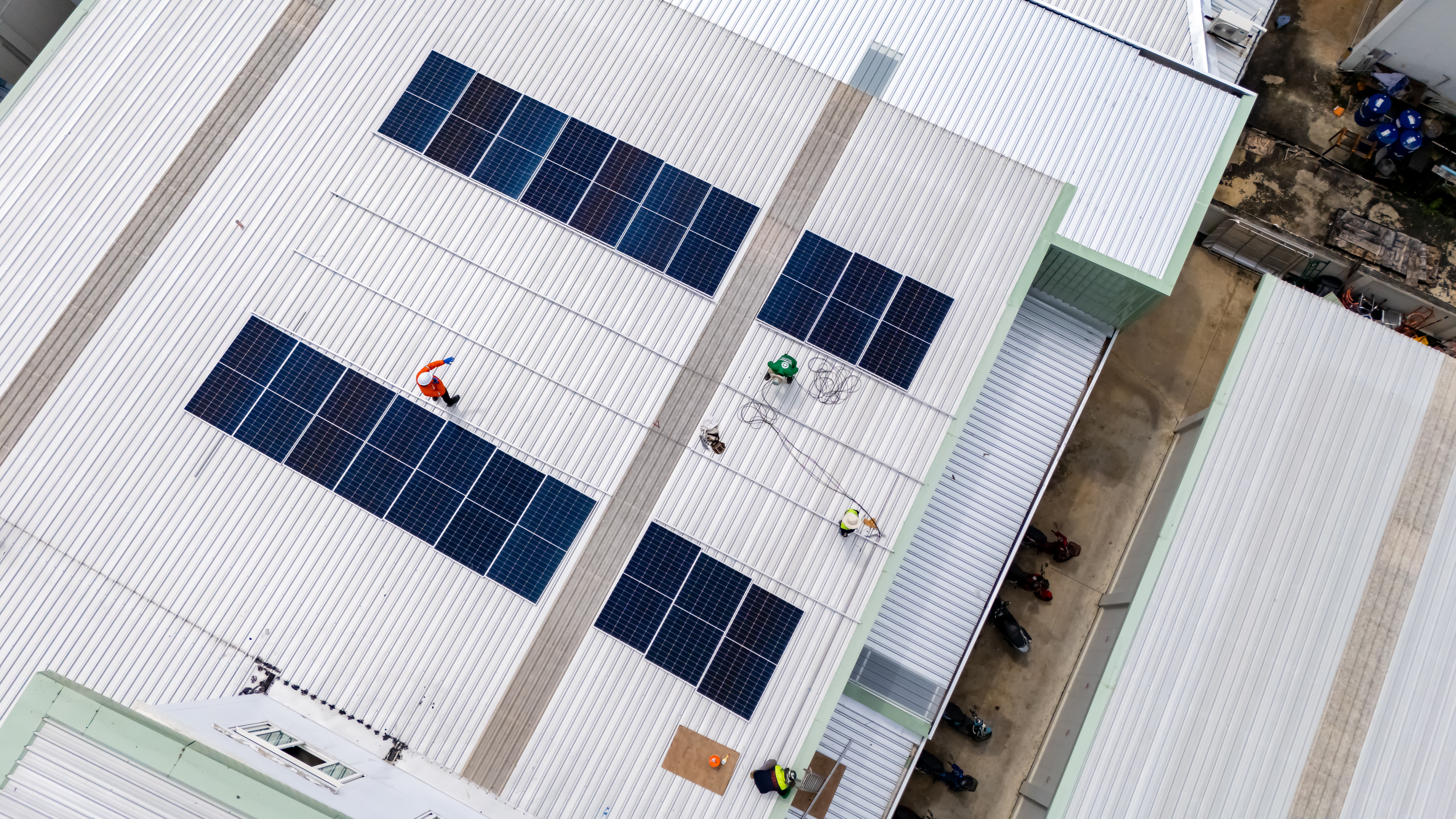
Businesses worldwide are increasingly turning their attention to solar-based solutions. Rising electricity costs, stronger sustainability requirements and the need for greater energy autonomy have turned photovoltaic systems from a “nice-to-have” into a true strategic asset.
However, purchasing a solar installation outright can be challenging from both a financial and operational standpoint. This is where operational photovoltaic leasing emerges as a clear and compelling alternative. It allows companies to access a full solar installation without tying up capital and without assuming the risks associated with rapidly evolving technology.
This guide explains how the model works, the benefits it offers and the key factors to consider before choosing this pathway. The goal is simple: to provide a clear, comprehensive and up-to-date framework that helps any company understand whether this solution can truly make a difference in its energy consumption and management.
What is operational photovoltaic leasing?
Operational photovoltaic leasing is a contractual model that enables a company to use a solar power system in exchange for a fixed, predictable monthly fee. Unlike purchasing or financial leasing, the asset does not enter the company’s balance sheet and does not generate capital immobilisation.
Definition and how it works
The company uses the solar panels, benefits from the energy produced and gains access to a full suite of services, while the provider retains ownership of the system and manages installation, maintenance, warranty and monitoring.
Contract structure
Contracts typically last between 5 and 10 years, with a monthly fee covering everything required to keep the system fully efficient. Responsibilities are clearly defined: the company simply uses the system, while the provider manages operations, support and technical risk.
Differences Compared to Other Models
Direct purchase: high upfront investment and full responsibility for maintenance and upgrades.
Financial leasing: similar to an instalment-based purchase, with obligations remaining on the company.
PPA (Power Purchase Agreement): the user pays for the energy produced, not for the system, often with long-term commitments.
Operational leasing focuses on usability, flexibility and service, increasingly essential elements today.
Why operational photovoltaic leasing is growing
Companies are seeking ways to stabilise energy costs, increase resilience and accelerate their transition to cleaner, more autonomous energy solutions. Operational leasing addresses these needs by offering predictable expenses, reduced financial exposure and turnkey energy production.
Why companies prefer this model
The main advantage is clear: no capital immobilisation. Funds remain available for strategic investments while energy is self-generated at competitive and stable costs.
Benefits of operational photovoltaic leasing
Operational leasing combines economic, operational and managerial benefits, making it an attractive option for a wide range of businesses.
Economic benefits
Zero upfront investment
Tax-deductible monthly fee
Reduced financial risk (no depreciation, no obsolescence, no unexpected technical issues)
Operational benefits
Complete maintenance included (ordinary and extraordinary)
24/7 monitoring for optimal performance
Full warranty on all components, including inverters
Managerial benefits
No technological risk, systems can be upgraded as technology evolves
Simplified administration with a single point of contact
Guaranteed operational continuity
What an operational photovoltaic leasing contract includes
A well-structured fee covers everything required to ensure maximum system efficiency.
Included services
Design and installation
Comprehensive insurance
Ordinary and extraordinary maintenance
Remote monitoring and control
Full performance warranty
Optional services
System upgrades after a few years
Addition of power optimisers
Integration with storage systems
End-of-life disposal and recycling
Which companies benefit most from this model
This formula is ideal for businesses with high or stable energy consumption profiles.
Sectors that gain the most
Manufacturing SMEs
Retail and large-scale distribution
Hospitality and tourism
Agriculture
Energy-intensive industries
Logistics and refrigerated warehouses
Self-consumption plays a key role: the more energy a company uses internally, the greater the savings.
Real savings: simulations and case studies
Comparison between models
Purchased systems require significant upfront capital.
Leasing spreads the cost over time but still transfers many risks to the company.
Operational leasing eliminates these barriers through fixed pricing and guaranteed support.
Case Study – 30 kW
Fixed monthly fee
Significant bill reduction
Immediate economic return through self-consumption
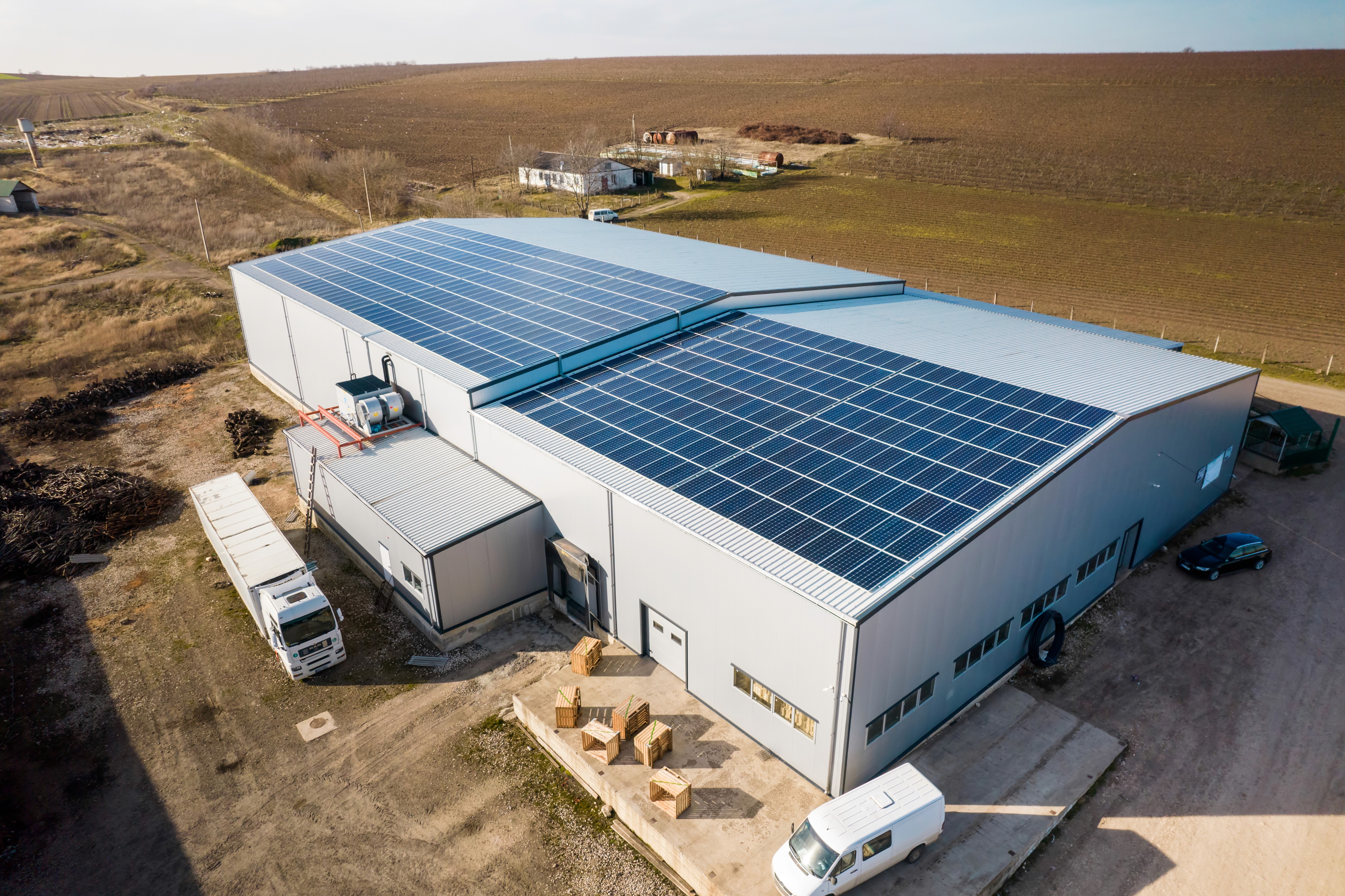
Case Study – 100 kW
High annual savings
Considerable reduction in grid withdrawals
Additional tax benefit thanks to the deductible monthly fee
End of contract: what are the options?
Buyout
The company may purchase the system at a favourable residual value.
Renewal
The contract can be extended, often with technological upgrades included.
Return
The provider handles dismantling and restoration.
Risks and critical points to consider
While the model is advantageous, some elements must be evaluated carefully:
Contract duration and clauses
Service-level agreements
Performance guarantees
Provider reliability
Evaluating these aspects helps avoid unexpected issues.
Comparison with other solutions
Direct purchase
maximum control, maximum risk
Financial leasing
the asset becomes company property, maintenance remains the company’s responsibility
PPA (Power Purchase Agreement)
you pay for the energy, not for the system
Operational leasing
no capital immobilisation, minimal risk, full-service model
Storage, self-consumption and integration
Adding battery storage is increasingly strategic, especially for companies operating during evening hours or during peak-price periods. Integration with existing systems is often possible and maximises overall efficiency.
Future outlook
The market is rapidly shifting toward flexible, service-oriented and sustainability-driven solutions. Operational photovoltaic leasing is following the same path as other “as-a-service” models: less ownership, more value, more efficiency.
Technological innovation, high-efficiency modules, smart inverters, AI-based optimisation, will further strengthen the model’s convenience.
Operational photovoltaic leasing is a modern, flexible and strategic solution for any business seeking to reduce costs, emissions and operational risks. It is particularly advantageous for companies that want immediate benefits without capital investment and without the burden of technical management.
The key is to evaluate your consumption profile, compare offers and choose a reliable provider.
FAQ on operational photovoltaic leasing
How much does an operational leasing system cost?
It depends on system size, service coverage and the company’s energy profile.
Is the monthly fee tax-deductible?
Yes, it is fully deductible.
How long does a contract last?
Typically between 5 and 10 years.
Is it more convenient than leasing?
For many companies, yes: because it eliminates risks, technical management and upfront investment.
Do I need authorisation?
Only in specific cases; the provider generally handles the entire procedure.
Can I buy the system at the end?
Yes, usually at a very favourable residual value.
Purchase your EV Charger
Our expert will contact you to offer you the most suitable solution for you.