Mar 6, 2026
Photovoltaics in Europe by 2030: the ambitious strategy transforming energy
How Europe is leveraging photovoltaics to accelerate the energy transition, strengthen energy independence, and foster economic growth and innovation by 2030.
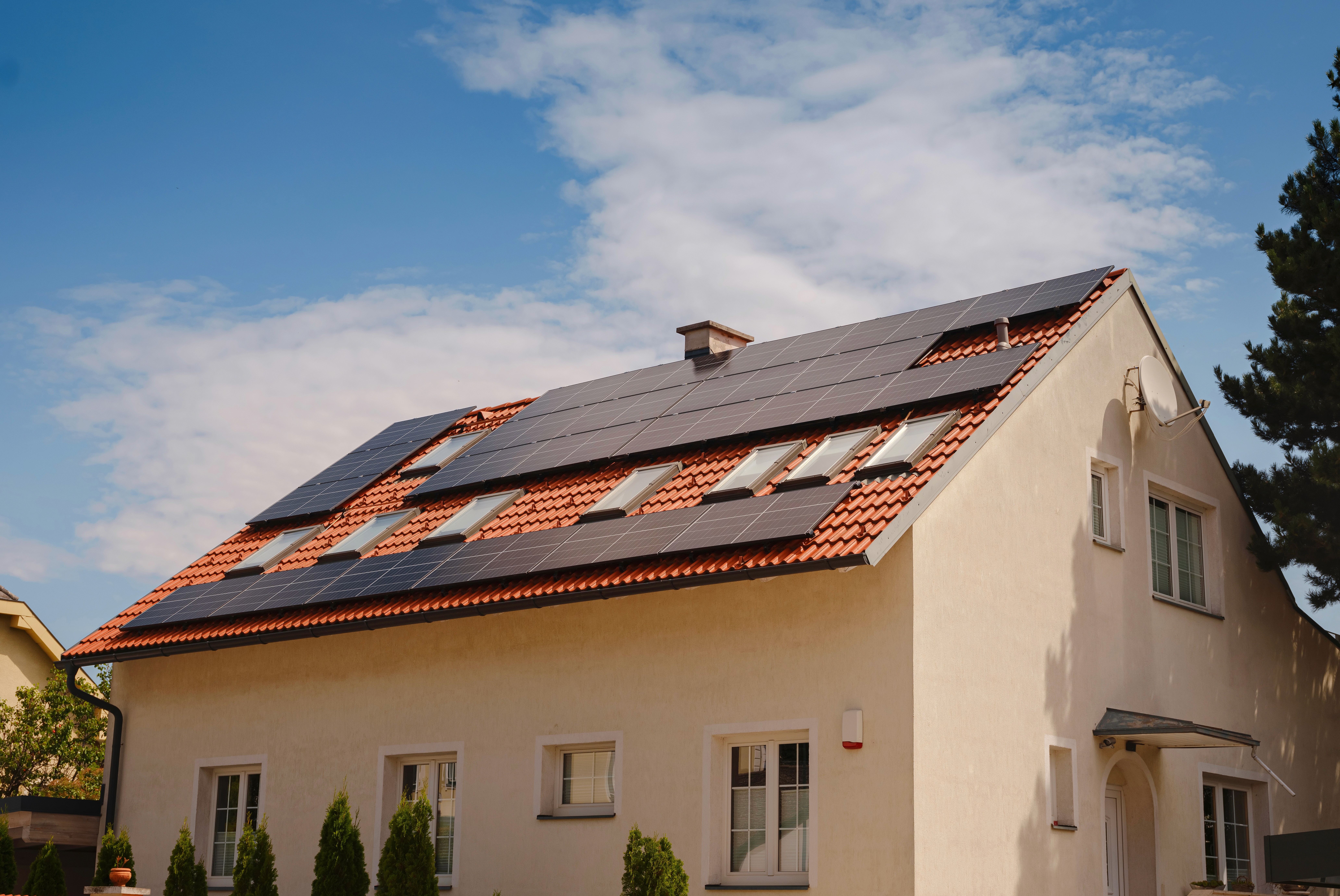
Europe’s energy transition is no longer a future prospect but a process already well underway. In this context, photovoltaics are taking on an increasingly central role, becoming one of the pillars on which to build a sustainable, competitive, and resilient energy system. The targets set for 2030 mark a crucial milestone: on the one hand, they require swift and consistent action; on the other, they open up concrete opportunities for economic growth, technological innovation, and social development.
Photovoltaics in the new European energy landscape
Transformation of the continental energy system
Over recent decades, the European energy system has embarked on a path of profound transformation. The gradual phase-out of fossil fuels responds not only to environmental concerns, but also to economic and geopolitical considerations. Reducing dependence on energy imports means strengthening security of supply and increasing the stability of internal markets.
At the same time, the transition towards a low-carbon economy represents a structural response to climate change. In this framework, electricity generation from renewable sources is no longer an option, but a strategic necessity.
The contribution of photovoltaics to the energy transition
Photovoltaics stand out for their versatility, speed of installation, and ability to adapt to very different contexts, from residential systems to large-scale industrial installations. The possibility of producing energy close to points of consumption helps reduce grid losses and supports more decentralised energy models.
Moreover, solar energy directly contributes to diversifying Europe’s energy mix, complementing other renewable sources and strengthening the overall reliability of the power system.
European 2030 targets for solar energy
Climate and sustainability goals
The 2030 horizon is closely linked to Europe’s climate commitments. Reducing greenhouse gas emissions and increasing the share of renewable energy in final consumption are key objectives of EU policies. Within this framework, photovoltaics represent one of the main levers for achieving tangible results in relatively short timeframes.
Alignment with European environmental strategies requires steady growth in solar generation, accompanied by structural measures on infrastructure and regulation.
Development of installed capacity
To meet the 2030 targets, a significant increase in installed photovoltaic capacity is planned across Europe. This growth concerns not only the number of installations, but also their geographical distribution and their integration into national energy systems.
National energy plans play a fundamental role in translating common objectives into concrete actions, adapting them to local specificities and differing starting conditions.
European policies and governance for photovoltaic growth
EU strategies for renewable energy
The expansion of photovoltaics is supported by an increasingly robust political and legislative framework focused on promoting renewable energy. EU strategies aim to create favourable conditions for sector development, ensuring regulatory consistency and coordination among Member States.
A shared approach helps reduce regulatory barriers and fosters a more integrated and efficient energy market.
Regulation of photovoltaic installations
Simplifying permitting procedures is one of the key elements in accelerating the deployment of photovoltaics. Clearer rules and shorter administrative timelines facilitate the installation of systems, both on existing buildings and in dedicated areas.
At the same time, harmonised regulations for grid connection and self-consumption help make the sector more attractive to citizens and businesses.
Incentives, investments, and economic models in photovoltaics
Support mechanisms for development
Public incentive schemes continue to play an important role in the growth phase of photovoltaics. Stable and predictable mechanisms encourage investment planning and reduce perceived risk for market operators.
Regulatory stability, in particular, is a decisive factor in attracting capital and supporting long-term project development.
Financing and investments
European funding programmes dedicated to the energy transition provide essential resources for photovoltaic development. The combination of EU funds and national policies helps amplify the impact of investments, supporting both large infrastructure projects and local initiatives.
Alongside the public sector, private investor involvement is becoming increasingly significant, driven by innovative business models and long-term energy supply contracts.
Technological innovation and photovoltaic development
Evolution of technological solutions
Technological innovation is one of the main drivers of photovoltaic growth. Increased system efficiency and reduced lifecycle costs have made solar energy increasingly competitive.
Improvements in performance and reliability also help strengthen confidence among end users and investors.
Integration with storage and digitalisation
Integrating photovoltaics with energy storage systems makes it possible to optimise self-consumption and increase the flexibility of the power system. At the same time, digitalisation enables smarter management of generation and consumption, improving the balance between supply and demand.
These developments enhance grid stability and pave the way for increasingly advanced energy models.
Deployment of photovoltaics across key economic sectors
Photovoltaics are applied across numerous sectors, from residential to industrial. In private homes, they help reduce energy costs and increase autonomy. In the tertiary sector, they improve building efficiency and support the sustainability of economic activities.
In industry, solar self-generation represents a strategic lever for decarbonising production processes and strengthening the competitiveness of European companies.
Energy communities and decentralised models
The spread of energy communities introduces a new paradigm based on local energy production and sharing. Photovoltaics play a central role in these models, fostering collaboration among citizens, businesses, and local authorities.
The benefits are not only environmental, but also economic and social, contributing to the sustainable development of local areas.
Infrastructure, challenges, and future outlook
The growth of photovoltaics requires adaptation of electrical infrastructure, particularly distribution grids. Managing the variability of solar generation represents a technical challenge that can be addressed through innovative solutions and careful planning.
There are also critical issues, such as regulatory differences between countries and dependence on global supply chains. However, these challenges can be transformed into opportunities to strengthen European manufacturing and develop new skills.
Photovoltaics as a pillar of Europe in 2030
Photovoltaics are confirmed as one of the key elements of Europe’s strategy towards 2030. Through targeted policies, technological innovation, and advanced economic models, solar energy can support the energy transition and contribute to a more sustainable future.
With a coordinated approach and a long-term vision, photovoltaics are not only a response to climate challenges, but also a concrete opportunity for growth and development across Europe.
Purchase your EV Charger
Our expert will contact you to offer you the most suitable solution for you.