Feb 4, 2026
Roof lifeline cost: an essential guide for a truly safe choice
The price of a roof lifeline depends on several structural and operational factors; this in-depth analysis helps you understand costs, system types, and solutions designed to ensure maximum safety at height.
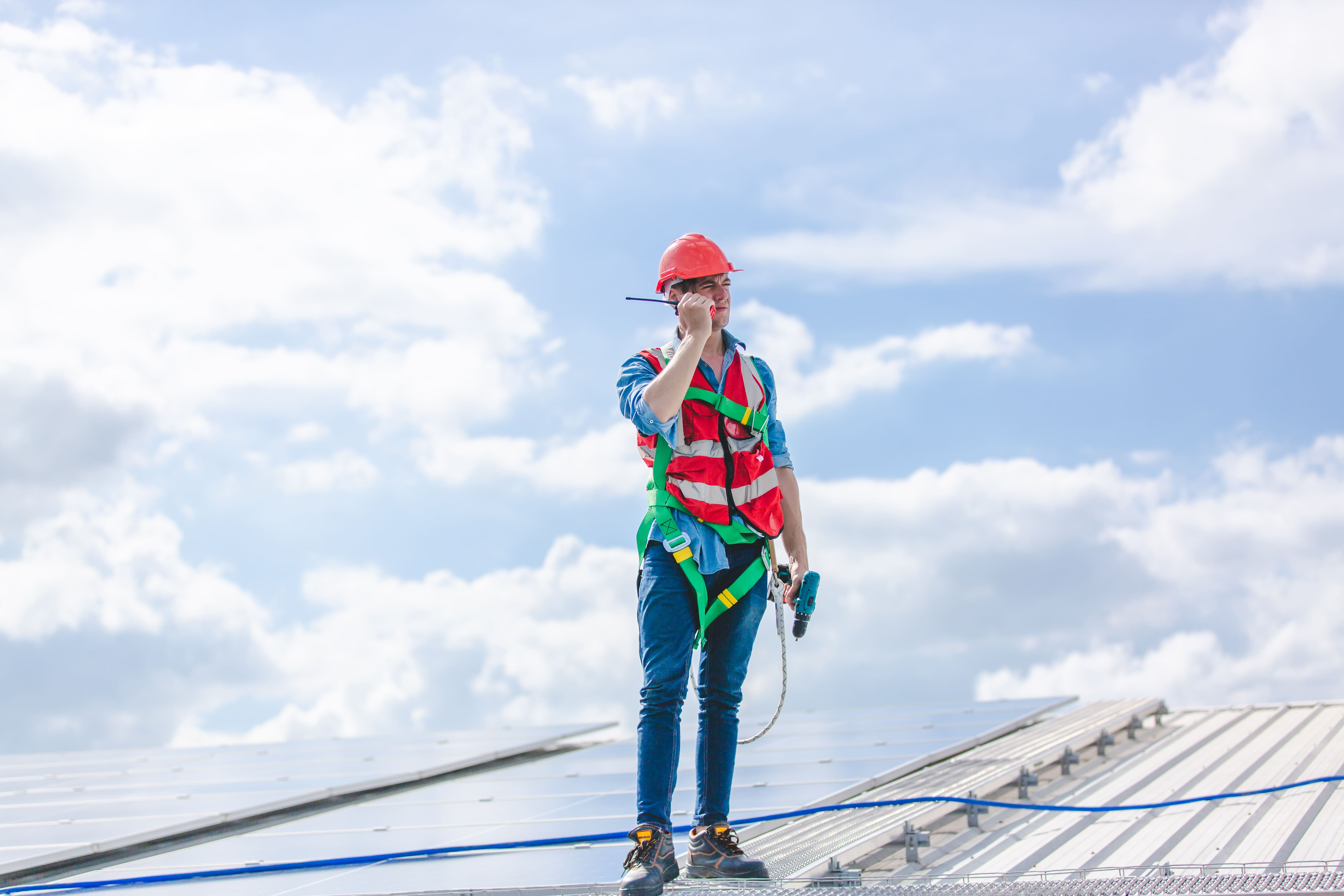
When it comes to working at height, safety is never optional. Installing a lifeline on the roof is essential to prevent falls, protect anyone accessing the structure, and ensure compliance with applicable safety standards. Before moving forward, however, it is natural to ask: “How much does a roof lifeline cost?”. This guide explores every aspect of lifeline pricing, from average costs and influencing factors to real-world examples, maintenance requirements, and tips for choosing the most suitable fall-arrest system.
What is a lifeline and why it matters
A lifeline is a certified safety system designed to drastically reduce the risk of falling for anyone working on a roof. Essentially, it consists of anchors and cables to which users can attach their personal protective equipment (PPE).
Lifelines can be:
Permanent, securely fixed to the roof structure.
Temporary, installed only for specific jobs and removed afterward.
How much does a roof lifeline cost? Realistic price ranges
Average cost of a fixed (permanent) lifeline
A permanent lifeline varies in cost depending on the roof type and building complexity. Generally, you can expect:
€350–€1.200 for installation on standard roofs
€25–€60 per meter for flexible horizontal lifelines
€60–€120 per meter for rigid lifelines
Prices increase on complex structures, very tall buildings, or difficult access areas.
Cost of a temporary lifeline
Temporary lifelines—such as anchoring straps or portable devices—are more affordable and ideal for short-term work:
€80–€300 for temporary systems
These are especially useful for technicians who move between multiple job sites.
Labor costs for installation
Labor plays a significant role in the final price:
€150–€600, depending on height, roof type, and on-site logistics
Obstacles, uneven surfaces, or the need for lifting platforms may increase costs.
Maintenance and periodic inspections
To ensure long-term performance, lifelines require regular inspections:
€50–€150 per inspection
Frequency depends on the system but is typically annual or biennial.
What really influences the price? Key cost factors
Roof type
Tile roofs require more delicate work.
Metal roofs or sandwich panels are generally faster to equip.
Height and cccessibility
Hard-to-reach rooftops take longer to secure, increasing labor costs.Type of lifeline
Horizontal
Vertical
Single anchor points
Rigid rail systems
Rigid systems cost more but provide greater precision and durability.
Materials and certifications
Stainless steel systems or components certified to EN 795 and other relevant standards tend to cost more but offer superior reliability.
Surface area
A small roof may require only a few meters of cable, while an industrial roof may need dozens of meters and multiple anchor points.
Additional work
Waterproofing, reinforcements, or structural adjustments can increase the total budget.
Real-world cost examples
Detached house with pitched roof
Material: stainless steel
Length: 10–15 m
Standard installation
Estimated cost: €600–€1.200
Building with complex roof structure
Difficult access
Multiple anchor points or rigid rails
Estimated cost: €1.500–€3.500
Industrial warehouse
Flat roof
Rigid system
Large surface area
Estimated cost: €3.000–€8.000
These ranges are indicative but reflect what typically occurs in most installations.
Cost per meter: updated breakdown
The cost of a lifeline depends on the type of system and the accessories required.
Flexible lifelines (common on residential and pitched roofs):
€25–€60 per meter, plus essential accessories such as tensioners, plates, and brackets (€20–€80 each).Rigid lifelines (common on flat or industrial roofs):
€60–€120 per meter, offering superior stability and precision.Single anchor points:
€60–€150 each, ideal for specific areas or as support for mixed layouts.PPE kits (harness, lanyard, energy absorber):
€90–€250, depending on material quality and brand.
How to choose the safest and most cost-effective lifeline
Risk assessment
A site inspection is essential to determine safe pathways and the best system configuration.Proper design
A well-designed system considers the building structure, critical points, and work surfaces.Certified installers
Improvised installations compromise safety; certified professionals ensure compliance and reliability.Complete documentation
A compliant installation should include:Declaration of conformity
Material certificates
User and maintenance manual
System layout drawings
Avoid unrealistically low prices
Suspiciously low quotes often hide poor-quality materials or inadequate installation practices.
FAQ: Frequently asked questions
How much does a lifeline for a standard house cost?
Typically €600–€1.200, including installation.
Is a rigid or flexible lifeline better?
It depends on the roof: rigid systems are more precise but more expensive; flexible systems are more versatile and cost-effective.
How often should it be inspected?
Usually every 12 to 24 months.
Who is responsible for paying for the lifeline?
The building owner, or the homeowners’ association if the roof is shared.
Is a lifeline required for installing solar panels?
In most cases, yes. Especially when the roof cannot be accessed safely without fall-arrest equipment.
How much should you expect to spend on a roof lifeline?
Installing a roof lifeline is a long-term investment in safety. It protects workers, reduces risks, ensures regulatory compliance, and prevents far greater costs in case of an accident.
Overall, the price of a lifeline is proportional to the roof type and building requirements, with solutions suitable for private homes as well as large industrial complexes. Requesting multiple quotes and choosing certified professionals is the best way to obtain a safe, durable installation at the right price.
Purchase your EV Charger
Our expert will contact you to offer you the most suitable solution for you.