Feb 26, 2026
Used electric company cars: the smart, strategic choice to reduce fleet costs
A comprehensive guide to used electric company cars for businesses seeking cost savings, operational reliability, and a practical approach to sustainable mobility.
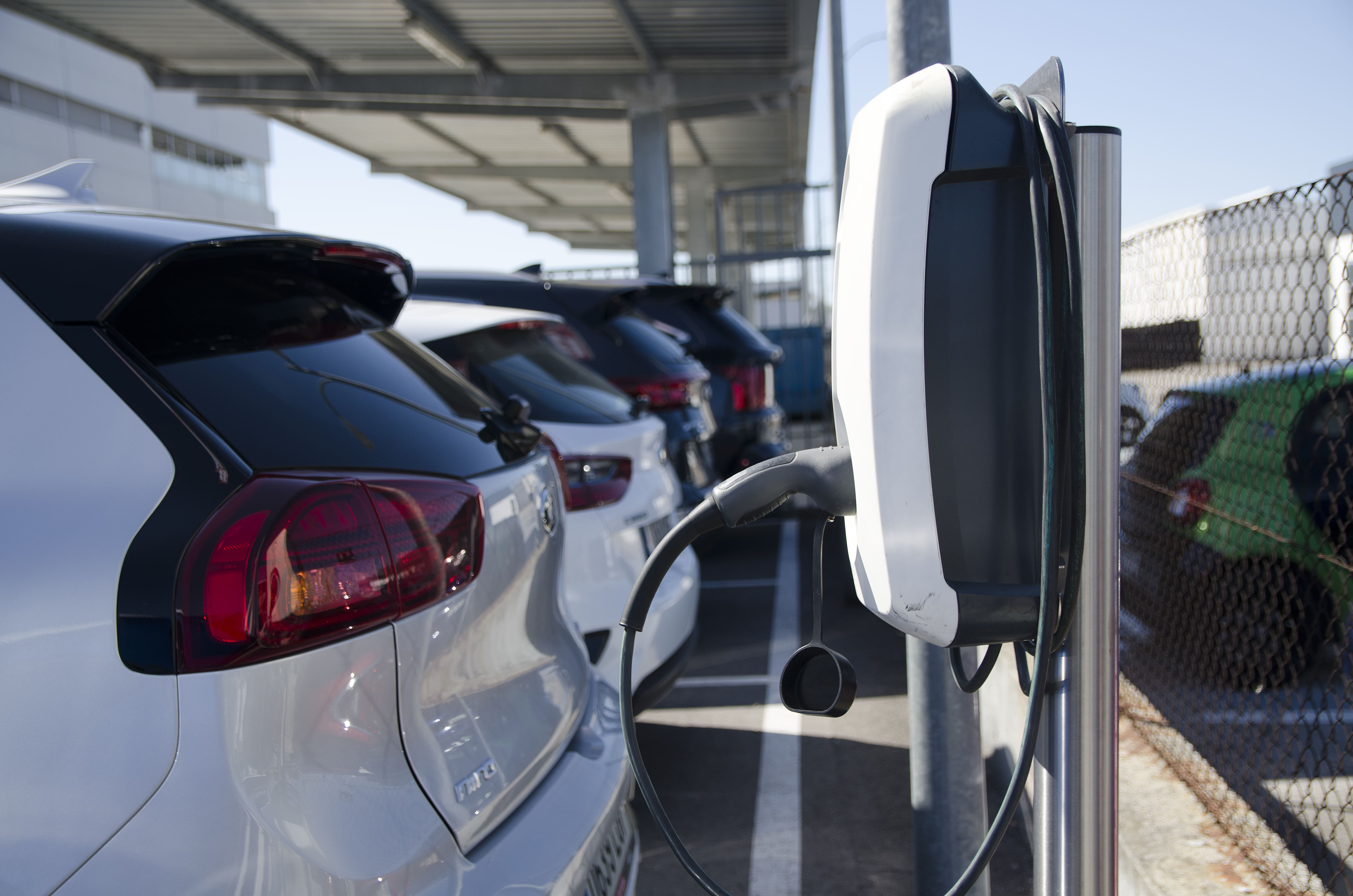
Corporate mobility is undergoing a profound transformation. More and more companies are reassessing their vehicle choices, driven by economic, regulatory, and environmental factors. In this context, used electric company cars are emerging as a concrete, balanced, and advantageous solution.
They are no longer an experimental option, but a mature choice capable of combining sustainability, cost control, and operational reliability.
The current landscape of electric corporate mobility
The transition of corporate fleets to electric vehicles
In recent years, traditional corporate fleets based on internal combustion vehicles have gradually given way to electric solutions. Traffic restrictions, rising fuel costs, and increased attention to sustainability are accelerating this shift. It is a gradual evolution, but by now an irreversible one.
The used electric vehicle market for businesses
Alongside the growth of new electric vehicles, a well-structured used market has developed. Many vehicles return from leasing or long-term rental contracts after just a few years, featuring:
controlled mileage
documented maintenance history
configurations suited to professional use
The role of used electric company cars in the energy transition
Used electric company cars act as a bridge between innovation and accessibility. They make it possible to participate in the energy transition while reducing initial investment and overall environmental impact.
Characteristics of second-hand electric company cars
Definition of an electric company vehicle
An electric company vehicle is designed for:
professional use
mixed personal and business use
integration into a structured car policy
Driving patterns are often predictable and aligned with work-related activities.
Specific features of used electric vehicles
In the used market, factors such as the following become relevant:
vehicle age
mileage
usage history
Vehicles coming from corporate fleets generally show more orderly management compared to privately owned used cars.
Distinctive elements of used electric company cars
Key strengths include:
traceable maintenance and service records
standardized equipment levels
comprehensive technological features
These characteristics make them particularly suitable for professional environments.
Economic and tax advantages for businesses
Lower fleet acquisition costs
The first benefit is immediate: purchase price. Used electric company cars provide access to modern technologies with a significantly lower investment compared to new vehicles.
Tax benefits linked to electric company vehicles
From a tax perspective, businesses may benefit from:
cost deductibility
VAT recoverability
incentives linked to sustainable mobility
Impact on Total Cost of Ownership
Over the medium to long term, total cost of ownership is often lower thanks to:
reduced maintenance costs
greater stability in energy expenses
simplified operational management
Battery and range: key technical aspects
Battery performance in used electric vehicles
The battery is the core of an electric vehicle. Its capacity directly affects real-world range, which depends on:
driving style
climatic conditions
corporate usage patterns
Battery degradation over time
Degradation is a natural process, but in used corporate vehicles it is often more limited due to regular charging and less extreme usage conditions.
Assessing battery health
Before purchase, it is essential to:
perform a technical diagnostic
check remaining battery warranty
assess actual usable capacity
These checks significantly reduce risk.
Operating and management costs of used electric fleets
Maintenance of electric company vehicles
Simplified mechanics result in:
fewer wear-prone components
less frequent interventions
greater cost predictability
Charging costs for businesses
On-site charging enables companies to:
control energy costs
optimize vehicle downtime
plan daily operations
Public charging can also be effectively integrated when properly managed.
Operational efficiency and service continuity
Accurate charging planning improves vehicle availability and reduces operational disruptions.
Charging infrastructure for electric company cars
Analysis of corporate energy needs
Before introducing an electric fleet, it is necessary to assess:
number of vehicles
average daily mileage
available electrical power
Types of charging points
The most common solutions include:
AC charging for daily use
DC fast charging for specific operational needs
Smart charging management
Load balancing and consumption monitoring make it possible to maximize existing infrastructure while keeping costs under control.
Regulatory, insurance, and contractual aspects
Regulatory compliance of electric company vehicles
Used electric company cars must comply with:
mandatory inspections
safety standards
software updates
Warranties and protections when buying used vehicles
Many vehicles retain a residual battery warranty, which represents an important safeguard for businesses.
Insurance coverage for electric fleets
Available insurance solutions allow risk management aligned with that of traditional fleets.
Criteria for selecting used electric company cars
Analysis of the company’s operational needs
It is essential to evaluate:
daily mileage
mission types
user profiles
Technical evaluation of the vehicle
Real-world range, charging capabilities, and technological features must be consistent with the intended use.
Economic and strategic assessment
Comparing models and solutions helps identify the option best aligned with the company’s mobility strategy.
Critical issues and common mistakes in fleet management
Among the most frequent mistakes are:
underestimating battery condition
overlooking charging infrastructure
focusing solely on upfront costs
A long-term perspective helps avoid these pitfalls.
Comparison with other corporate mobility solutions
Compared to new electric vehicles, used corporate models offer a better balance between cost and technology. When compared to hybrid or traditional solutions, they ensure lower environmental impact and greater protection against future traffic restrictions.
Future outlook for electric corporate mobility
The supply of used electric company cars will continue to grow, supported by:
improved battery technologies
increased digitalization of fleet management
deeper energy integration
Used electric company cars today represent a concrete, rational, and forward-looking choice. They deliver economic, operational, and environmental benefits without excessive compromises. With careful planning, they become a strategic lever for building a modern, efficient, and future-oriented corporate mobility system.
Purchase your EV Charger
Our expert will contact you to offer you the most suitable solution for you.