May 4, 2026
Battery storage with backup function: the solution for greater safety and autonomy
Complete guide to understanding how a home battery storage system with backup works, its advantages, prices, selection criteria, and overall value.
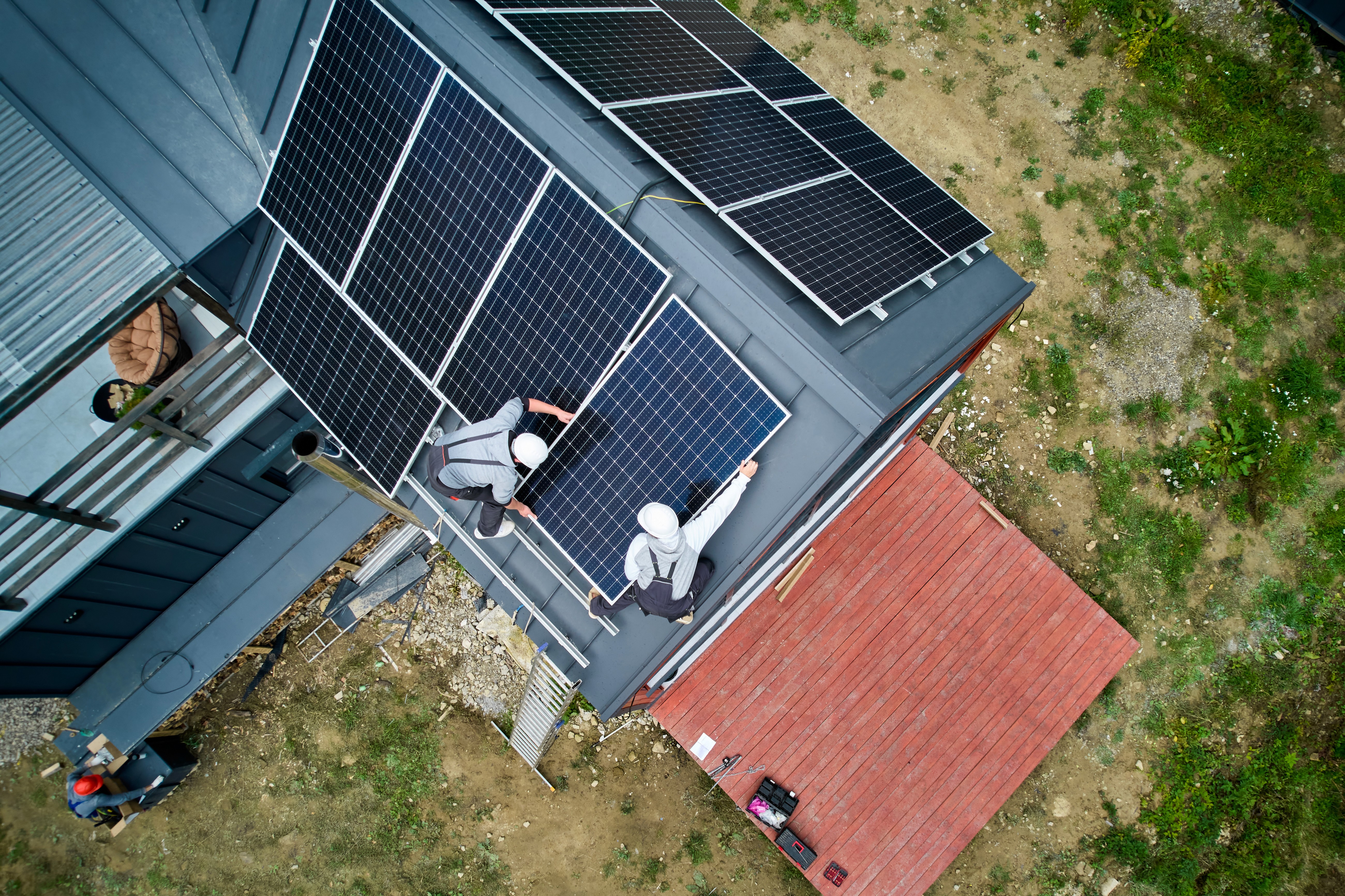
In recent years, the way we manage energy at home has changed significantly. Rising electricity bills, the spread of photovoltaic systems, and a growing focus on energy independence have led more and more households to look for smart and reliable solutions. In this context, battery storage with backup function is emerging as one of the most interesting technologies.
It’s not just about storing energy for later use. The real added value lies in its ability to ensure power continuity even during a blackout. In other words, it’s no longer just about saving money, but also about safety and comfort.
What is a battery storage system with backup function
A battery storage system with backup function is designed to store electrical energy, typically generated by a photovoltaic system, and make it available when needed. Up to this point, the concept is similar to that of traditional batteries. However, the presence of a backup function introduces a key difference.
While a standard storage system allows you to use stored energy during the evening or when solar production is low, a battery with backup can also step in when the power grid fails. This means that in the event of an outage, the home continues to be powered, avoiding inconvenience and potential damage to appliances.
This feature is becoming increasingly relevant. With remote work, connected devices, and home security systems, our dependence on electricity is now total. As a result, having a solution that guarantees continuity is no longer a luxury, but an increasingly conscious choice.
How a battery storage system with backup works
To fully understand the value of this system, it’s helpful to start with its everyday operation. During the day, photovoltaic panels produce energy that is used directly in the home. When production exceeds consumption, the excess energy is not wasted but stored in the battery.
This stored energy is then used in the evening, at night, or whenever the system does not produce enough power. This increases self-consumption and reduces reliance on the grid.
The real difference becomes clear during a blackout. The system automatically detects the absence of grid power and activates emergency mode. At that point, the battery replaces the grid and continues supplying electricity to the home.
Depending on the chosen configuration, the backup can be partial or full. In the first case, only essential circuits such as the refrigerator, lighting, and internet connection, are powered. In the second case, the entire home remains operational, within the limits of available power. In the most advanced systems, the transition is almost instantaneous, making the interruption barely noticeable.
When it makes sense to install a battery with backup
Not all homes have the same needs, but there are situations where a battery with backup function can make a real difference.
For example, those living in areas prone to frequent power outages can benefit immediately from such a system. The same applies to people working from home who cannot afford to lose power or connectivity during the day.
Homes equipped with security systems, home automation, or smart devices also benefit from a backup solution. In these cases, a sudden outage is not just inconvenient, it can compromise essential systems.
Finally, for those who already have a photovoltaic system, adding a battery with backup is a natural step toward greater energy independence.
Advantages of a battery storage system with backup
The benefits of this technology appear on several levels. The most obvious is power continuity. Knowing that your home will keep running even during a blackout provides significant peace of mind.
This is combined with increased energy autonomy. By using stored energy, dependence on the grid is reduced and the photovoltaic system is optimized.
Another important aspect is appliance protection. Sudden outages and voltage fluctuations can damage household appliances and electronic devices. A backup system helps reduce these risks.
In the long term, more efficient energy use can also translate into cost savings, especially in the presence of variable electricity tariffs.
Disadvantages and limitations to consider
Despite its many advantages, it’s important to also consider the downsides. The main one is the initial cost, which is generally higher than that of a storage system without backup function.
Installation can be more complex, especially in existing systems, and requires careful design. Additionally, during backup mode, available power may be limited, meaning it’s not always possible to run all appliances at the same time.
Finally, it’s essential to verify compatibility between the battery, inverter, and photovoltaic system to avoid integration issues.
How to choose a battery storage system with backup
Choosing a battery should never be random. One of the most important factors is capacity, expressed in kWh, which determines how much energy can be stored. This should be sized based on household consumption and the desired level of autonomy during a blackout.
Alongside capacity, it’s crucial to consider power: the amount of energy that can be delivered at a given moment. This directly affects how many devices can be used simultaneously.
Another key element is the system’s response time. In more advanced models, the switch to backup mode happens almost instantly, which is particularly important for sensitive equipment.
Compatibility with the existing system is equally important. In some cases, it may be necessary to upgrade the inverter or modify the electrical panel (protection box). Finally, it’s worth considering future expandability by choosing modular solutions.
Prices of battery storage systems with backup
The cost of a battery with backup function varies depending on several factors, including capacity, technology, and installation complexity. Generally speaking, for 2026, prices start from a few thousand euros for smaller systems and increase significantly for higher-capacity solutions.
Compared to systems without backup, the cost is usually higher, but this difference is justified by increased safety and additional features.
The final price is influenced not only by the battery itself, but also by installation, any system upgrades, and additional components required for backup functionality.
Available incentives and tax deductions
In many cases, the investment can be reduced thanks to incentives and tax deductions. Regulations change over time, but benefits are often available for energy efficiency improvements and integration with photovoltaic systems.
For this reason, it’s always advisable to check the available opportunities at the time of purchase, both at national and local levels.
Installation and technical requirements
Installing a battery with backup function requires specific expertise and should be carried out by qualified professionals. The process usually starts with a technical inspection, followed by system design and installation.
Connecting to the electrical panel and configuring the backup system are delicate steps that must comply with strict safety regulations. Once completed, the system is tested to ensure proper operation.
Lifespan and maintenance
Modern batteries, especially lithium-based ones, are designed to last many years. The average lifespan is around ten to fifteen years, depending on usage and system quality.
Maintenance is generally minimal, thanks to integrated monitoring systems that allow real-time tracking of performance and battery status. However, it’s important to follow the manufacturer’s guidelines and rely on qualified technicians for periodic checks.
Battery with backup vs alternatives
Compared to traditional solutions such as generators, battery storage systems offer several advantages. They are silent, produce no emissions, and activate automatically without human intervention.
Compared to standard UPS systems, residential batteries provide greater autonomy and more efficient energy management, making them better suited for full home use.
Is it worth it in 2026?
At this point, the question is inevitable: is investing in a battery storage system with backup function worth it?
For many households, the answer is increasingly yes. If you already have a photovoltaic system and want to increase energy autonomy, improve safety, and reduce reliance on the grid, this technology represents a concrete and modern solution.
It’s not just a technical choice, but a step toward a more efficient, secure, and independent home. And considering the evolution of the sector, it’s a direction that is likely to become increasingly common in the coming years.
Purchase your EV Charger
Our expert will contact you to offer you the most suitable solution for you.