Jan 29, 2026
Home energy independence: the smart strategy to reduce costs and reliance on the grid
How to achieve residential energy independence through solar power, energy storage, and intelligent consumption management, lowering energy bills and increasing property value.
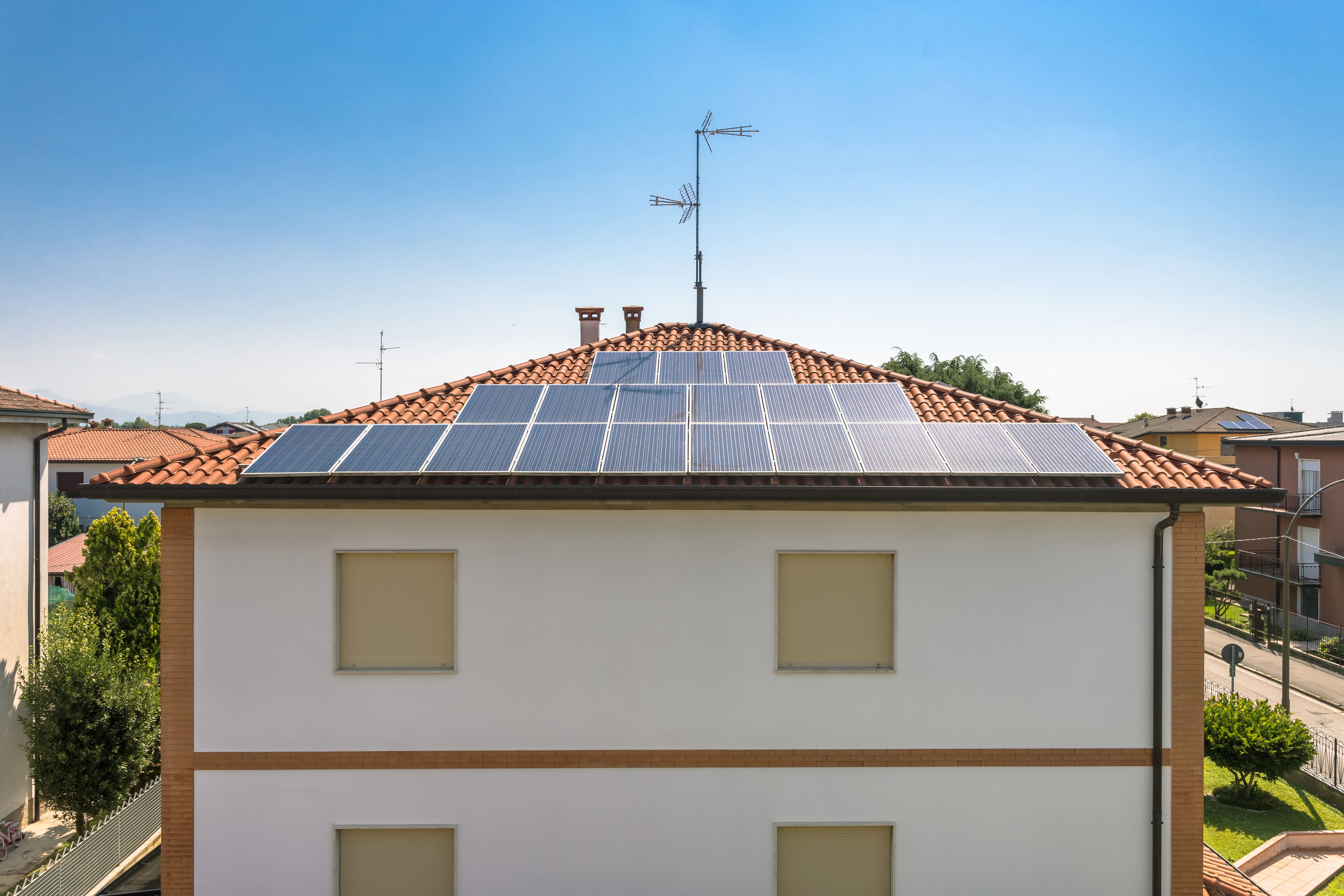
Home energy independence is now one of the most relevant topics in the residential energy landscape. It is no longer just a choice driven by environmental sustainability, but a true strategy for dealing with energy market uncertainty, rising electricity costs, and the growing electrification of household consumption. In a context where energy has become a strategic resource, producing it, managing it, and using it autonomously is gaining tangible and increasing value.
Achieving energy independence does not necessarily mean disconnecting from the grid, but rather building an intelligent system capable of ensuring continuity, efficiency, and long-term stability. It is a gradual process, shaped by technological decisions, economic evaluations, and changes in everyday habits. This in-depth guide walks step by step through what it really means to make a home energetically independent, analyzing solutions, costs, benefits, limitations, and future prospects.
Evolution of energy demand in modern homes
Growth in household electricity consumption
Over the past few decades, the energy profile of residential buildings has changed dramatically. Where electricity was once mainly used for lighting and a few essential appliances, it now represents the backbone of daily domestic life. Induction cooktops, air conditioning systems, heat pumps, mechanical ventilation, electronic devices, home automation, and smart home technologies have significantly increased electricity consumption.
This trend shows no signs of slowing down. On the contrary, the progressive electrification of consumption, also encouraged by energy policies, will make more and more household functions dependent on electricity. In this scenario, relying exclusively on the traditional grid exposes households to increasing economic and energy vulnerability.
Rising energy costs and their impact on households
Alongside growing consumption, electricity prices have experienced strong and often unpredictable fluctuations. Geopolitical events, raw material crises, market dynamics, and the energy transition have made energy bills an increasingly significant expense in household budgets.
This instability has driven many families to seek solutions that offer greater control over energy costs. Home energy independence arises precisely from this need: reducing dependence on external factors and building a form of domestic energy security.
The role of renewable energy in the residential sector
In this context, renewable energy sources play a central role. The residential sector is one of the areas where solar energy can best express its potential. The ability to install systems directly on building rooftops makes self-generation a concrete, accessible, and scalable solution.
Renewable energy is no longer just an ethical choice, but a strategic lever for energy independence. Producing clean energy at home means reducing environmental impact while also stabilizing costs and increasing property value.
Home energy independence: definition and operating principles
Autonomous electricity generation for domestic use
Home energy independence refers to a dwelling’s ability to meet its electricity needs through internal energy production systems. The core of this strategy is renewable energy generation, primarily solar, supported by storage systems and intelligent energy management.
Energy independence can be total or partial, continuous or seasonal. There is no one-size-fits-all model: each home has unique characteristics, needs, and objectives.
Difference between energy self-sufficiency and full grid independence
It is important to distinguish between energy self-sufficiency and complete independence from the grid. In the first case, a home covers a significant portion of its consumption with self-generated energy while remaining connected to the electricity grid. In the second case, the building is completely disconnected and operates in off-grid mode.
In most residential contexts, partial independence is the most balanced solution, as it maximizes self-consumption while maintaining a high level of reliability.
Total vs. partial home energy independence
Total energy independence requires sizing the system and storage capacity to cover even periods of low production, such as winter days with limited solar irradiation. This approach involves higher costs and greater management complexity.
Partial independence, by contrast, aims to drastically reduce grid consumption, using the grid only as backup when needed. It is a more flexible, sustainable, and economically advantageous solution for most households.
Energy performance indicators and self-consumption
Several indicators are used to assess a home’s level of energy independence, including self-consumption rate, degree of self-sufficiency, and annual demand coverage. These parameters help measure system effectiveness and identify potential areas for improvement.
Reasons to pursue home energy independence
Reducing energy costs in the medium and long term
One of the main drivers behind energy independence is economic savings. Although the initial investment can be substantial, over time the reduction in electricity bills allows costs to be recovered, delivering tangible financial benefits.
Protection against energy price increases
Producing energy at home reduces exposure to electricity price volatility. This aspect is especially important in a context of increasing instability in energy markets.
Environmental benefits and emission reduction
Home energy independence directly contributes to reducing greenhouse gas emissions. Using renewable energy means lowering dependence on fossil fuels and actively participating in the energy transition.
Energy security and continuity of service
A well-designed system increases a home’s resilience in the event of blackouts or grid disruptions. This is particularly relevant in areas prone to frequent service interruptions.
Increased property value
Homes equipped with energy independence systems are more attractive on the real estate market. Energy efficiency has become an increasingly important criterion for buyers and investors.
Analysis of household electricity consumption
Average household electricity consumption
The starting point for any energy independence project is consumption analysis. A medium-sized home has variable electricity needs depending on the number of occupants, habits, and technologies used.
Factors influencing energy consumption
Climate, building insulation, system types, and user behavior all significantly affect consumption levels. Understanding these factors is essential for designing an efficient system.
Impact of household appliances
Certain appliances, such as ovens, dryers, and dishwashers, have a significant impact on total electricity demand. Intelligent management of these devices can greatly increase self-consumption.
Heating, cooling, and domestic hot water
The electrification of climate control systems—especially through heat pumps—raises electricity consumption but also creates opportunities for integration with solar generation.
Electric mobility and home charging
Charging electric vehicles adds a new layer of consumption but also represents a strategic opportunity to increase self-consumption during solar production hours.
Systems for achieving home energy independence
Role of the photovoltaic system
The photovoltaic system is the foundation of any home energy independence strategy. Thanks to its reliability and technological maturity, it is the most widespread solution for domestic energy production.
Sizing based on consumption
Correct system sizing is essential to avoid waste and ensure a good balance between production and consumption. An oversized system is not always the best choice.
Orientation, tilt, and solar irradiation
Site-specific characteristics directly influence system performance. Accurate analysis allows annual production to be maximized.
Energy storage systems for home independence
Role of batteries in home energy independence
Batteries store produced energy and make it available when production is insufficient. They are a key component for increasing self-sufficiency.
Types of batteries for residential use
The most common technologies offer high efficiency, safety, and durability. The right choice depends on the specific needs of the home.
Storage capacity and life cycles
Battery capacity determines daily autonomy, while life cycles affect long-term economic sustainability.
Inverters and energy management systems
Function of the inverter in a home system
The inverter converts generated energy into a form usable by household systems. It is essential for proper system operation.
Energy management systems and load optimization
Smart energy management systems optimize energy use by prioritizing self-consumption and reducing waste.
Monitoring production and consumption
Real-time monitoring increases energy awareness and enables targeted optimization actions.
Home energy independence and seasonality
Photovoltaic production across seasons
Solar production varies significantly throughout the year, an aspect that must be considered during system design.
Managing consumption in winter and summer
Adapting consumption patterns to energy availability is an effective strategy to improve annual self-sufficiency.
Total vs. partial energy independence
Feasibility of full energy independence
Complete energy independence is technically achievable but involves higher costs and complexity.
Benefits of hybrid solutions
Partial solutions offer an optimal balance between independence, reliability, and economic sustainability.
Costs, investments, and payback times
Average costs of a home system
Costs vary depending on system size, storage capacity, and installation complexity.
Economic return on investment
In the medium to long term, home energy independence delivers significant savings and greater financial stability.
Incentives, tax benefits, and regulations
Available incentives
Energy policies encourage the adoption of renewable energy systems and storage solutions.
Regulatory framework and permits
Compliance with regulations is essential to ensure safety and system conformity.
Common mistakes to avoid
Under-sizing or over-sizing systems
Incorrect design compromises system efficiency.
Lack of system integration
Fragmented solutions reduce overall performance.
Practical applications and real-life scenarios
Single-family homes
These represent the ideal context for home energy independence.
New builds and renovations
Integrated design approaches deliver optimal results.
The future of home energy independence
Technological evolution
Technologies are becoming increasingly efficient and accessible.
Energy communities and smart grids
Individual independence is increasingly integrated with collective energy models.
Home energy independence is not a single, standardized solution, but a personalized journey that requires analysis, design, and awareness. Thanks to technological progress and supportive energy policies, making a home more independent is now a concrete, sustainable, and forward-looking choice. Investing in home energy independence means facing the future with greater peace of mind, control, and energy responsibility.
Purchase your EV Charger
Our expert will contact you to offer you the most suitable solution for you.