Apr 30, 2026
Difference between engine torque and power: the ultimate guide to understanding what really matters
A clear and practical guide to understanding how engine torque and power affect real-world driving, performance, and the choice between petrol, diesel, and electric cars.
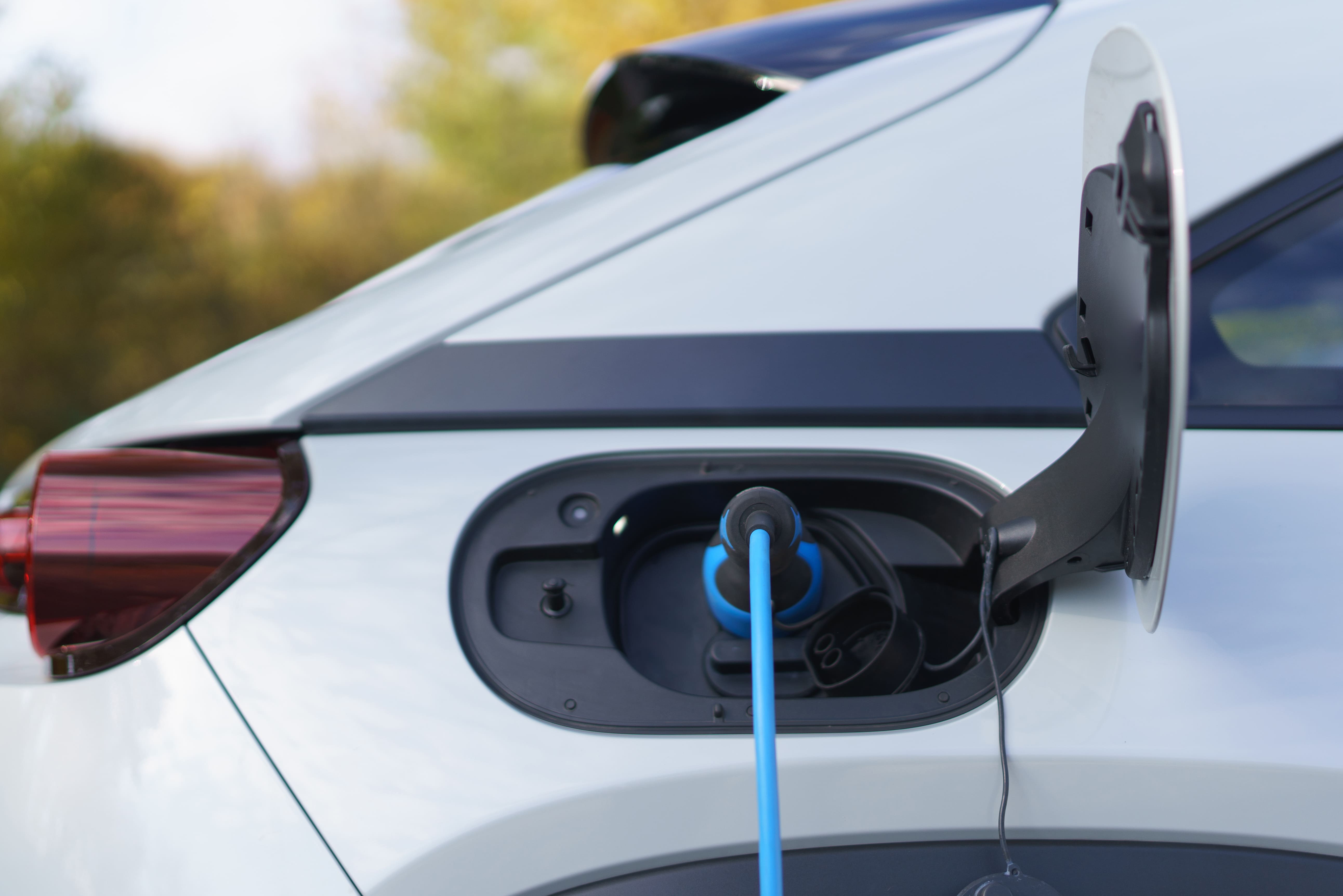
Anyone comparing two cars will, sooner or later, come across two technical specifications that seem similar but are actually quite different: torque and power. At first glance, it is easy to assume they describe the same thing. After all, both appear to be related to performance. But that is not the case: they refer to different aspects of how an engine behaves, and understanding the difference truly helps when reading a spec sheet and choosing the car that best suits your needs.
The issue is that these terms are often oversimplified. Some people look only at horsepower, convinced that is enough to understand whether a car is “fast.” Others focus entirely on torque because they associate it with pulling power and responsiveness. Then electric cars enter the picture, seeming to launch effortlessly every time, and the confusion grows even more.
And yet, once explained properly, the concept is less complicated than it seems. Engine torque refers to the rotational force the engine is able to generate. Engine power, on the other hand, indicates how quickly that force can be turned into useful work. That may sound a little theoretical, but in practice it translates into a very concrete difference: torque is often linked to the feeling of thrust at low revs, while power better describes the engine’s overall ability to deliver performance.
In this guide, we will look clearly and systematically at:
what engine torque is;
what engine power is;
how they are connected;
what changes in real-world driving;
why it is never a good idea to look at only one isolated figure;
how to better interpret the technical specifications of petrol, diesel, and electric cars.
In short, the goal is simple: to turn a topic that is often explained in a confusing way into a clear, useful, and practical explanation.
What is the difference between engine torque and power?
To really understand the topic, it helps to start with the simplest possible answer: torque and power are not synonyms. They are two different quantities, even though they are closely related.
Engine torque measures the force with which the engine can rotate its shaft. It is expressed in Newton metres (Nm) and has a great deal to do with the ability to pull decisively, especially at low and mid-range revs. More than any other figure, it is associated with the feeling of promptness, responsiveness, and how easily a car moves without apparent effort.
Engine power, by contrast, measures the work the engine can perform over a certain amount of time. It is expressed in kilowatts (kW) or, more commonly in automotive language, horsepower (hp). It is the parameter that best describes the engine’s overall ability to deliver performance, especially when revs rise and factors such as progression, top-end pull, and speed come into play.
In very direct terms, it can be summed up like this:
torque is the available force;
power is the speed at which that force is turned into performance.
This distinction is essential, because two cars with similar power outputs can feel very different on the road. And, conversely, two cars with different torque figures may end up having overall performance that is not so far apart.
What is engine torque?
Torque is a physical quantity that describes the rotational effect of a force. In an engine, it represents the ability to generate effective rotation.
To picture it more easily, think of a wrench turning a bolt. The more effective the leverage, the easier it is to apply rotational force. Engine torque works in a similar way: it describes how much “rotational push” is available.
In everyday driving, torque is most noticeable when:
setting off from a standstill;
accelerating at low revs;
gaining speed without changing down a gear;
tackling an uphill section;
driving with a full load;
towing a trailer.
It is no coincidence that when a car is described as “responsive,” “strong,” or “full of pull at low revs,” people are often referring to good torque availability.
What is engine power?
Power measures the amount of work performed over time. In practice, it indicates how effectively the engine can turn energy into motion and performance.
If torque describes the force, power describes how well that force is used as the engine works. That is why power becomes especially important when talking about:
prolonged acceleration;
progression;
top-end pull;
top speed;
sporty performance.
A powerful engine is not simply an engine that feels “strong”: it is an engine that can keep pulling effectively, especially as revs increase.
Why torque and power are not the same thing
Sometimes the two terms are used as if they were interchangeable, but they are not. Torque says a lot about the engine’s character and immediate response. Power gives a better idea of its overall performance potential.
To put it even more intuitively:
torque explains why a car can feel ready and strong at low revs;
power explains why a car can keep accelerating well even as speed increases.
Understanding this difference is the first step in avoiding the mistake of relying on a single number.
How torque, power, and engine speed are connected
At this point, one crucial factor comes into play: engine speed, or revs. Torque and power do not exist separately. Power comes precisely from the combination of torque and rotational speed.
In simple terms, an engine can develop power in three ways:
by generating a lot of torque;
by spinning very quickly;
or by combining both effectively.
And this is where one of the most common doubts is resolved: an engine with less torque can still have more power if it works efficiently at higher revs.
The role of engine speed
When the engine spins faster, the available rotational force can be turned into more work per unit of time. And that, exactly, is what we call power.
That is why two engines with similar torque figures can have very different power outputs. And, conversely, two engines with similar horsepower figures can respond very differently at low, mid, or high revs.
Why an engine with less torque can have more power
This is one of the most surprising aspects for many people. It is natural to think: “If it has less torque, then it must be less powerful.” In reality, that is not the case.
An engine may have modest torque, but if it can rev high and keep working efficiently, it can still produce significant power. This is true of many petrol engines, especially those with a sportier character.
By contrast, an engine with lots of torque but a narrower useful rev range may feel very responsive at low revs without being the most powerful overall.
Why looking at just one figure is not enough
When comparing two cars, the most common risk is stopping at a single figure. But a technical spec sheet should always be read as a whole. In addition to peak torque and peak power, it is also important to consider:
the engine speed at which those figures are reached;
how broad the usable power band is;
how the engine delivers its force;
the vehicle’s weight;
the gearbox fitted;
how the car will actually be used.
In other words, the numbers need to be interpreted, not just read.
What engine torque is used for in real-world driving
Torque is not a theoretical concept reserved for engineers. On the contrary, it is something you can feel very clearly in everyday driving.
In general, torque is linked to three very concrete sensations:
promptness;
flexibility;
ease of use.
Pulling away and low-revs acceleration
One of the moments when torque is felt the most is when setting off. As the car begins to move, good torque availability at low revs helps create a feeling of immediate and natural thrust.
That is why some engines feel eager straight away, while others need a few more revs before they start to feel truly lively. In city traffic, that difference absolutely matters.
Responsiveness and flexibility
Torque is also essential in in-gear acceleration, when you want to pick up speed without necessarily changing gear. An engine with good torque availability can respond more easily, making the driving experience smoother and more relaxed.
This is where the idea of engine flexibility comes in: a flexible engine pulls well even from low or medium revs, without forcing the driver to work the gearbox constantly.
Hills, load and towing
Torque becomes even more important when the engine has to deal with greater resistance: a steep hill, a car full of passengers and luggage, a trailer, or heavy-duty use.
In these situations, you need force available early and consistently. And that is exactly where torque shows its practical value.
Driving comfort
There is also a point that is often underestimated: torque contributes to comfort. An engine with good low-end torque is often easier to use, less tiring, and more pleasant in everyday driving. In other words, it is not only about performance, it is also about the quality of the response.
What engine power is used for and when it makes a difference
If torque dominates the feeling of initial thrust and ease of use, power becomes more noticeable when the engine has to keep pulling.
And that is exactly why horsepower, even though it does not tell the whole story, remains such an important figure.
Progressive acceleration and top-end pull
When you accelerate hard and the engine climbs through the rev range, power becomes increasingly important. A powerful engine does not just give a good initial response; it continues to build speed effectively.
This is the typical territory of top-end pull, meaning the engine’s ability to remain convincing as revs increase.
Top speed
Top speed depends on several factors, but power is one of the essential ones. To increase speed, the car has to overcome ever greater resistance, especially aerodynamic drag. At that point, torque alone is no longer enough: what matters is the ability to produce more work over time.
Sporty performance
When talking about sporty driving, sustained acceleration, and high-rev behaviour, power becomes central. It is the figure that best represents the car’s overall performance potential.
Of course, torque still matters here too, but power gives the clearest picture of the engine’s ability to sustain effective pull over time.
More torque or more power? It depends on how you drive
Here comes the classic question: what matters more, torque or power?
The right answer is: it depends on how the car is actually used.
For city driving and everyday use
In urban driving and daily use, low-end torque is often more valuable than peak power alone. It helps with pulling away, makes the car feel more responsive, and reduces the need to shift gears frequently.
For motorways and long trips
On the motorway, balance is key. Torque is useful for mid-range acceleration, while power matters more for stronger bursts of speed and the ability to maintain solid performance at higher speeds.
For drivers looking for sportiness
If the goal is a more lively or sporty driving experience, power takes on greater importance. Even so, good torque still helps make the car feel fuller and more effective both in corner exits and in acceleration.
For towing and heavy-duty use
When loads, trailers, or demanding routes are involved, torque becomes the star again. In these cases, what matters is force available early, not just an impressive horsepower number on paper.
The difference between torque and power in petrol, diesel, and electric engines
The relationship between torque and power also changes depending on the type of engine.
Petrol engine
In general, petrol engines tend to deliver power more progressively and offer better power availability at high revs. Many petrol engines perform at their best when they are allowed to rev freely.
Diesel engine
Diesel engines, by contrast, have long been associated with high torque at low and mid-range revs. This often makes them highly effective in in-gear acceleration, flexibility, and relaxed driving.
Electric motor
Electric motors have changed the way many people perceive torque. The reason is simple: torque is available almost immediately. And that is exactly what explains the instant response you feel in many electric cars.
Be careful not to confuse instant torque with maximum power
An electric car may feel more responsive, but that does not automatically mean it has more power than a comparable combustion-engined car. Rather, it means it delivers torque in a very different way, especially in the first phase of acceleration.
How to correctly read torque, power, Nm, kW, and hp
Reading a spec sheet properly means looking beyond the most eye-catching figure.
Where to look
In a technical spec sheet, you will usually find:
maximum power in kW and hp;
maximum torque in Nm;
the engine speed at which those figures are reached.
What really matters
It is not enough to know how many Nm or how many hp an engine has. It also matters:
when those figures arrive;
how long they remain available;
how they are distributed through the rev range;
how much the car weighs;
what transmission is fitted.
The most common mistakes
The most frequent mistakes are always the same:
looking only at horsepower;
looking only at torque;
ignoring the engine speed at which values are delivered;
not considering weight and gearbox;
confusing the initial sensation with overall performance.
Practical Examples to Understand the Difference Between Engine Torque and Power
Sometimes a simple example is worth more than many definitions.
The bicycle example
Going uphill in a low gear, what matters most is the force with which you can keep moving, that is where the comparison with torque is immediate. On flat ground at sustained speed, what matters more is the ability to keep the pace and build speed, and that is where the parallel with power works well.
The wrench example
A longer wrench lets you apply more rotational force with less effort. It is a simple way to visualize torque.
Two different cars
Imagine two cars:
one with more torque but less power;
one with less torque but more power.
The first will probably feel more responsive at low revs and more comfortable in relaxed driving. The second may feel less strong at first, but more effective in top-end pull and overall performance.
Frequently asked questions about engine torque and power
Does torque affect acceleration?
Yes, especially in the initial phase and in low- and mid-range in-gear acceleration.
Does power affect top speed?
Yes. In general, it is one of the main factors behind top speed and top-end performance.
Is it better to have more Nm or more hp?
It depends on how the car is used. More Nm is often useful in everyday driving and under load; more hp matters more for outright performance.
Why can two cars with the same horsepower feel different?
Because torque, weight, gearbox, traction, and power delivery may all be different.
The difference between engine torque and power is not a minor technical detail: it is a practical key to understanding how a car really behaves.
Torque concerns the available rotational force, the thing you often feel in low-end pull, responsiveness, and ease of use. Power concerns the engine’s overall ability to turn that force into performance over time, especially when top-end pull, progression, and speed come into play.
The most important thing to remember is this: neither value should ever be read in isolation. Real-world performance always comes from the balance between torque, power, engine speed, vehicle weight, gearbox, and engine type.
And that is the good news: once these concepts are truly understood, reading a spec sheet becomes much easier. Choosing the right car also stops being a matter of slogans or superficial impressions and becomes a far more informed decision.
Purchase your EV Charger
Our expert will contact you to offer you the most suitable solution for you.