Mar 3, 2026
Photovoltaics and surge protection: essential strategies for total, risk-free safety
How to protect a photovoltaic system from electrical surges, prevent damage to inverters and modules, and increase safety, continuity, and investment value.
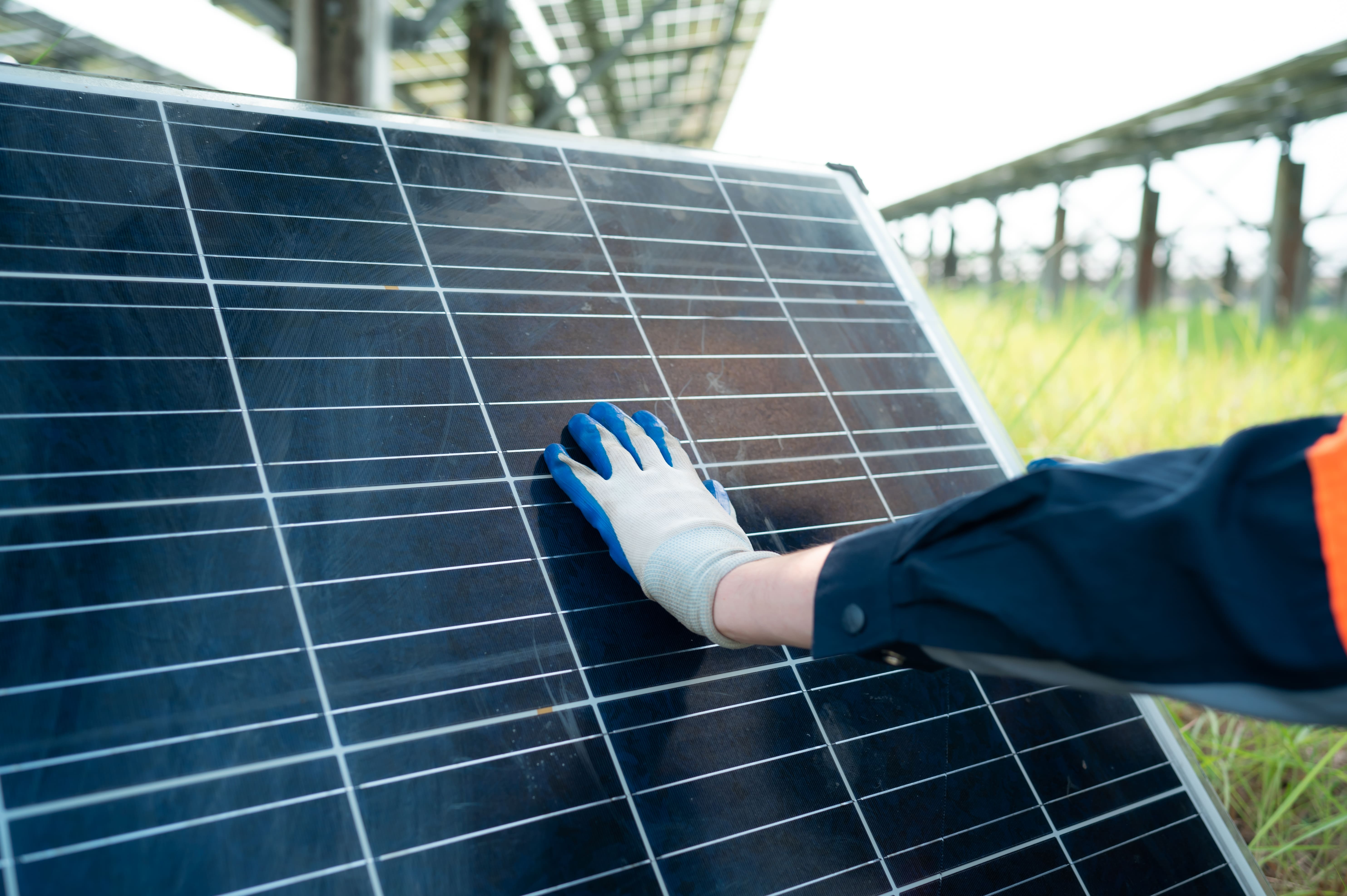
In recent years, photovoltaics have established themselves as one of the most effective solutions for producing clean energy and reducing dependence on fossil fuels. Alongside the environmental and economic benefits, however, the need to ensure long-term system safety and reliability has grown. In this context, surge protection is an often underestimated yet absolutely strategic element.
A photovoltaic system is a long-term investment. Protecting it properly means preserving performance, avoiding costly failures, and ensuring operational continuity. This is precisely where surge protection comes into play.
Why surge protection is essential in photovoltaic systems
The widespread adoption of solar installations, in both residential and industrial settings, has made interaction between photovoltaic systems and the electrical grid increasingly common. This interconnection exposes systems to electrical stresses that, if not properly managed, can compromise their operation.
Surges may result from rare events or everyday situations, including:
switching operations on the electrical grid
sudden load variations
internal electrical disturbances
indirect atmospheric phenomena
Integrating surge protection already at the design stage significantly reduces the risk of failures and extends the service life of the system.
Electrical surges: definition, types, and main causes
From a technical perspective, a surge is an increase in voltage beyond the nominal values for which a system is designed. Even when short-lived, these events can have significant consequences.
Transient surges
These are very fast but high-energy impulses. They are the most common in photovoltaic systems and are often linked to:
indirect atmospheric discharges
circuit opening and closing operations
disturbances propagated through the grid
Permanent surges
These last longer and are generally caused by:
grid faults
voltage regulation problems
anomalies in the electrical system
Both types can undermine system reliability if not properly managed.
Vulnerability of photovoltaic systems to surges
Photovoltaic systems have characteristics that make them particularly exposed:
modules installed outdoors and at elevated positions
presence of inverters and sensitive electronic components
direct connection to the electrical grid
significant cable lengths on both the DC and AC sides
These factors facilitate the occurrence and propagation of surges, increasing overall risk.
Consequences of surges on modules, inverters, and the electrical system
Surges can affect various system components, with both immediate and progressive effects.
Effects on photovoltaic modules
accelerated cell degradation
gradual efficiency reduction
decreased energy production
Damage to inverters
stress on power electronics
sudden failures
high repair or replacement costs
Safety risks
overheating
short circuits
potential fire hazards
Protecting the system therefore means safeguarding not only performance, but also the safety of people and buildings.
Surge protection devices in photovoltaic systems
Surge protection relies on devices designed to:
limit voltage peaks
divert excess energy to ground
protect downstream components
Their response is automatic and extremely fast, which is crucial for countering events that last only fractions of a second.
There are different solutions tailored to varying risk levels and operating conditions, ranging from protection against high-energy impulses to fine protection for the most sensitive equipment.
Correct placement of surge protection in a solar system
Device placement is decisive for protection effectiveness.
Protection on the DC side
Typically installed:
in string combiner boxes
near the inverter input
This setup intercepts surges originating from the photovoltaic modules.
Protection on the AC side
Installed:
between the inverter and the electrical grid
in the building’s main electrical panel
This configuration protects both the photovoltaic system and connected loads.
Coordination of protections
Multi-level protection makes it possible to:
distribute impulse energy
increase overall effectiveness
reduce stress on individual devices
Technical standards and safety requirements for photovoltaics
Surge protection is governed by specific technical standards that define:
design criteria
installation methods
verification requirements
A central role is played by electrical and atmospheric risk analysis, which determines when protection is mandatory and when it is strongly recommended.
Compliance with standards also enhances the long-term value of the system.
Criteria for selecting surge protection in a photovoltaic system
Device selection must be based on precise technical parameters, including:
system voltage levels
discharge capacity
compatibility with inverters and electrical panels
quality of the grounding system
Common mistakes include undersizing protection devices or installing them incorrectly. Careful design avoids these issues and ensures effective protection.
Maintenance, monitoring, and lifespan of surge protection devices
Protection devices are not everlasting. Each intervention contributes to their gradual degradation.
For this reason, it is important to:
periodically check device status
monitor end-of-life indicators
replace protection devices when necessary
Preventive maintenance keeps system safety at a high level.
Costs, benefits, and return on investment of electrical protection
The cost impact of surge protection is generally limited compared to the total system cost. The benefits, however, are substantial:
fewer failures
greater service continuity
long-term investment protection
In many cases, the cost of protection is recovered by avoiding even a single extraordinary repair.
Applications of surge protection in different photovoltaic contexts
Surge protection is relevant in all scenarios:
residential systems, for safety and peace of mind
industrial and commercial systems, to ensure operational continuity
installations in high atmospheric-risk areas, where protection becomes even more strategic
Each context requires solutions that are appropriate and proportionate to the level of risk.
Frequently asked questions about surge protection in photovoltaic systems
Electrical protection is not always mandatory, but it is strongly recommended in most installations. Existing systems can also be upgraded with targeted interventions.
It is important to remember that no system can fully protect against extreme events such as direct lightning strikes, but properly designed protection significantly reduces potential damage. Device replacement depends on the number of interventions and operating conditions.
Electrical safety and reliability in photovoltaic systems
Photovoltaics and surge protection are inseparable. Integrating effective protection systems increases safety, improves reliability, and ensures long-term system durability.
Thanks to careful design, the use of certified components, and proper maintenance, surge protection becomes a quality standard. A safe photovoltaic system is the solid foundation for a sustainable, efficient, and reliable energy future.
Purchase your EV Charger
Our expert will contact you to offer you the most suitable solution for you.