Dec 2, 2025
Power and efficiency of solar panels: the secrets to a truly efficient solar system
Discover how the power and efficiency of photovoltaic panels affect energy production, efficiency, and the economic return of your solar system.
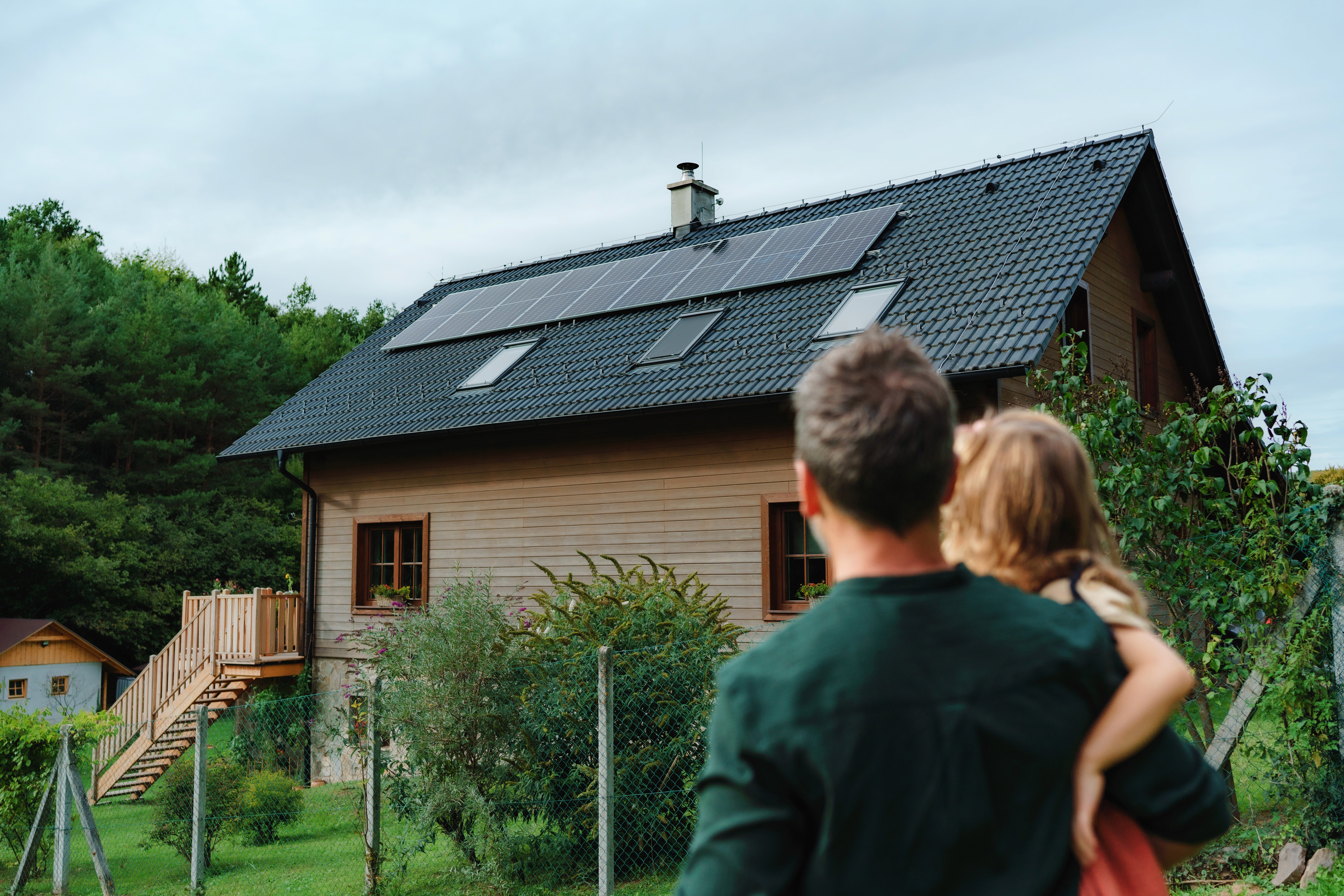
In recent years, solar energy has become one of the most effective and accessible solutions for reducing CO₂ emissions and energy costs. However, to make the most of it, it is essential to understand two fundamental concepts: power and the efficiency of solar panels.
Often these terms are confused or used synonymously, but in reality, they represent distinct and complementary aspects. Power indicates the capacity of a panel to produce electrical energy under certain conditions, while efficiency measures how effectively that panel converts solar energy into electricity.
Understanding the difference is crucial for assessing the performance of a system, estimating annual production, and optimizing the long-term investment.
In this article, we will discover how to calculate the actual power, how to interpret efficiency, and which factors – environmental, technical, and managerial – influence energy production. Furthermore, we will analyze concrete strategies to optimize the efficiency of photovoltaic panels and maximize the overall yield of one's system.
What is the power of photovoltaic panels and how does it influence energy production?
Nominal power and peak power: what do the Watts of a solar panel mean?
Each photovoltaic module lists a value expressed in watt peak (Wp), which represents the maximum power generated under standard test conditions (STC: Standard Test Conditions). These conditions correspond to a solar irradiation of 1,000 W/m², a cell temperature of 25 °C, and an air mass of 1.5.
In other words, a 400 Wp panel can produce 400 watts when sunlight and temperature are optimal. However, in reality, environmental conditions vary continuously, and consequently, the actual power is often lower than the nominal.
Installed power and production capacity of a photovoltaic system
The total power of a system is calculated by summing the power of all installed modules. For example, a system consisting of 10 panels of 400 Wp will have a total nominal power of 4 kWp.
This value allows for an approximate estimation of annual energy production. In Italy, a 1 kWp system typically produces between 1,000 and 1,400 kWh/year, depending on latitude and exposure.
Relationship between surface area, technology, and power density
Power density depends on the technology used. Monocrystalline panels offer the highest yield, averaging between 20% and 22%, and are ideal when space is limited. Polycrystalline panels achieve efficiency values between 15% and 18%, representing a good balance between efficiency and cost. Finally, thin-film panels provide lower yields, but maintain good efficiency even in low light or high-temperature conditions.
The higher the power density, the less surface area will be needed to achieve the same energy production: a key factor for installations on small roofs.
Efficiency of solar panels: formula, calculation, and interpretation of results
What does photovoltaic efficiency represent and how is it measured?
Efficiency indicates a panel's capability to convert solar radiation into usable electrical energy. It is expressed as a percentage and varies depending on the quality of the cells, temperature, brightness, and other technical parameters.
In practical terms, an efficiency of 20% means that the panel converts one-fifth of the solar energy it receives into electricity.
Formula for calculating efficiency
The most common formula for calculating the efficiency of a photovoltaic module is:
Efficiency (%) = (Electrical power output / Incident solar radiation power) × 100
Where the output power is what is actually produced by the panel, while the incident solar power is calculated by multiplying the irradiation (expressed in W/m²) by the surface area of the panel in square meters.
For example, if a 2 square meter panel produces 400 W with an irradiation of 1,000 W/m², its efficiency will be 20%.
Comparison between photovoltaic technologies
In recent years, research has brought increasingly high-performing modules to the market. Monocrystalline panels offer average efficiencies between 20% and 22% and stand out for their high efficiency, although at a higher cost. Polycrystalline panels guarantee values between 15% and 18%, with an excellent balance between price and performance. PERC cells (Passivated Emitter and Rear Cell) reach efficiencies between 21% and 23%, providing good performance even under diffuse light. HJT (Heterojunction Technology) modules range between 22% and 25%, with superior thermal stability and minimal losses. Finally, bifacial panels, which capture light from both sides, can increase overall production by 5% to 10%.
This means that two installations with the same nominal power can have very different yields depending on the technology chosen and environmental conditions.
All factors that influence the power and efficiency of a photovoltaic system
Environmental factors
Solar irradiation and latitude: the more intense the solar radiation, the greater the energy production. In Italy, the difference between the North and South can exceed 25%.
Temperature: an increase in temperature reduces cell efficiency. Every degree above 25 °C leads to a loss of about 0.4–0.5% in efficiency.
Shading and dirt: even a small shadow can compromise the entire string of panels. Leaves, dust, or bird droppings can reduce output by up to 10%.
Orientation and inclination: in Italy, the ideal orientation is South with an inclination of about 30–35°, but it varies based on latitude.
Technical factors
Quality of photovoltaic cells: low-quality cells degrade more quickly over time, reducing the nominal power of the module.
Inverters and conversion losses: inverters convert direct current to alternating current, but with losses ranging from 2% to 5%.
Wiring and connections: cables that are too long or have inadequate cross-sections can generate energy losses.
Ventilation and installation: a well-ventilated system reduces cell temperature and improves overall efficiency.
Managerial factors
Periodic maintenance: regular checks of inverters and electrical connections prevent efficiency drops.
Cleaning of modules: light cleaning every 6–12 months can increase production by up to 5%.
Remote monitoring: using digital platforms allows for timely identification of anomalies and predictive interventions.
How to calculate the actual power and energy yield of a solar plant
To estimate the annual production of a photovoltaic system, the following formula is used:
Energy produced (kWh/year) = Nominal power (kWp) × Average annual irradiation (kWh/m²) × Overall system efficiency
For example, a 3 kWp system installed in Milan, with an average annual irradiation of about 1,250 kWh/m² and an overall efficiency of 75%, will produce about 2,812 kWh per year. The same system installed in Palermo, where irradiation exceeds 1,600 kWh/m², can produce over 3,600 kWh per year. This demonstrates how location and environmental conditions directly impact energy yield.
For accurate and reliable estimates, dedicated software such as PVGIS from the European Commission, SolarEdge Designer, SMA Sunny Design, or other IoT monitoring apps that allow real-time performance tracking can be used.
Strategies to optimize the efficiency of solar panels
Hardware optimization
Choosing high-efficiency panels is the first rule for improving performance. Next-generation monocrystalline modules guarantee higher yields per occupied surface area, making them ideal for small-sized roofs.
Secondly, the use of power optimizers or microinverters allows each panel to operate independently, reducing losses caused by partial shading. Finally, an installation that promotes module ventilation helps maintain lower temperatures and thereby higher efficiency.
Software optimization and intelligent management
Monitoring data in real-time allows for comparison of current production with expected values, identifying any anomalies.
Integrating with storage systems (batteries) allows for the storage of produced but unused energy, improving self-consumption and reducing dependence on the grid.
Moreover, connecting the photovoltaic system to a smart wallbox allows for the charging of electric vehicles using available solar energy, maximizing economic and environmental returns.
Good maintenance practices
Conducting periodic inspections of connectors and wiring is essential to prevent failures or losses. It is advisable to regularly check that voltage and current values are consistent with project specifications and to plan the cleaning of the panels at least once or twice a year.
Keeping the inverter firmware updated finally allows us to take full advantage of intelligent energy management functions.
A well-maintained system can maintain optimal performance and improve its efficiency by up to 10% compared to a neglected one.
The technological innovations that improve the power and efficiency of photovoltaic panels
New generations of solar cells
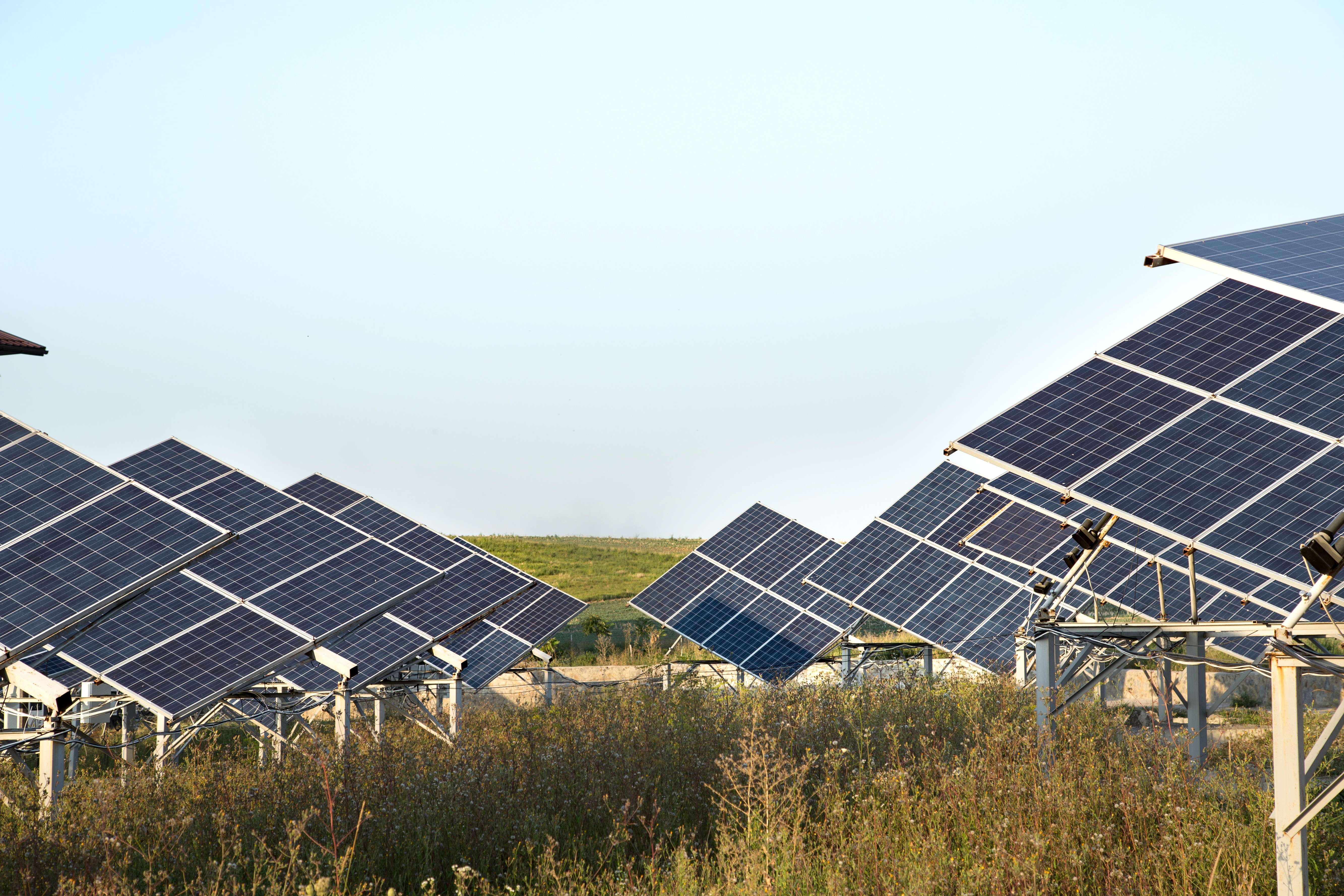
The evolution of photovoltaic technology is advancing at an extraordinary pace. Today, there is increasing talk of TOPCon, HJT, and IBC cells, developed to increase power and stability over time.
TOPCon (Tunnel Oxide Passivated Contact) cells offer superior efficiency of 2–3% compared to traditional PERC cells and a slower loss of efficiency over the years.
HJT (Heterojunction Technology) cells combine crystalline silicon and amorphous layers, achieving excellent performance even under high temperature conditions.
Finally, IBC (Interdigitated Back Contact) cells, used in premium tier panels, shift the electrical contacts to the rear of the module, reducing losses and increasing the active area exposed to light.
All these technologies share a common goal: to maximize the conversion of solar energy into electricity and ensure greater durability and stability over time.
Innovative materials and bifacial panels
Another rapidly growing trend is the use of bifacial solar panels, which capture light from both the front and back. This technology can increase energy production by up to 10%, especially in installations on light or reflective surfaces.
At the same time, research into materials is leading to the development of perovskite cells, a low-cost and highly efficient material that promises to revolutionize the industry in the coming years. Although still in the industrial trial phase, perovskite offers potential yields exceeding 30% and production at lower costs.
Architectural integration and hybrid systems
Today, photovoltaic panels are no longer an add-on element, but are increasingly being directly integrated into building structures.
This solution, known as BIPV (Building Integrated Photovoltaics), allows tiles, facades, or parapets to be replaced with photovoltaic modules that generate energy while maintaining a harmonious aesthetic.
Additionally, hybrid systems that combine photovoltaics with wind systems or heat pumps are becoming more common, to maximize energy autonomy and synergistically exploit various renewable sources.
Economic analysis: calculating the return on investment of a photovoltaic system
The initial cost and the influencing factors
The cost of a photovoltaic system varies based on its power, the quality of the panels, and the complexity of the installation.
In 2025, a residential system of 4–6 kWp will have an average cost ranging from €6,000 to €10,000, including inverters, brackets, and labor.
However, these values do not represent a pure cost, but a long-term investment. A well-sized and optimized system can significantly reduce bills and recover the initial expenditure in a few years.
The concept of TCO (Total Cost of Ownership)
To properly assess the economic feasibility of a solar system, it is useful to calculate the TCO (Total Cost of Ownership), that is, the total ownership cost over the life cycle.
This includes:
the purchase and installation price;
ordinary maintenance;
the eventual replacement of the inverter (every 10–12 years);
any taxes or insurance on the system (if applicable).
Subtracting from these costs the savings obtained on bills and any tax incentives results in the payback time, which today averages between 5 and 7 years.
After this period, the system continues to produce energy almost for free, with an average panel lifespan of 25–30 years.
Optimizing economic return with self-consumption and storage batteries
One of the most effective ways to increase economic return is to increase the percentage of self-consumption: that is, to directly use the produced energy, minimizing what is drawn from the grid.
With a traditional system, the average self-consumption is 30–40%.
The addition of a storage system allows values to exceed 70%, as the energy produced during the day can also be used in the evening hours.
Next-generation lithium batteries ensure long life cycles and high charge/discharge efficiency. This way, solar energy becomes a continuous and programmable resource.
The role of energy policies and digitalization in managing systems
Intelligent management and digital monitoring
Modern monitoring systems allow for real-time visualization of energy production, the status of components, and the overall efficiency of the system.
Through apps or cloud platforms, users can analyze performance, receive notifications in case of anomalies, and optimize energy use.
Digitalization has also paved the way for predictive maintenance strategies, allowing for the prevention of failures and prolonging the useful life of the most critical components.
International standards and regulations
Every photovoltaic system must comply with internationally recognized technical standards, such as IEC 61851-1, which defines the safety and compatibility requirements for charging systems and electrical protection.
Furthermore, it is essential that installations are protected by safety devices such as differential and thermal-magnetic breakers, to ensure maximum reliability and the protection of both people and systems.
Frequently asked questions (FAQ) about the power and efficiency of photovoltaic panels
1. Do all photovoltaic panels have the same efficiency?
No. Efficiency varies depending on the technology, materials used, and environmental conditions. Monocrystalline modules are generally the most efficient, while thin-film panels perform better in diffuse light conditions.
2. How can I tell if my system is operating at maximum efficiency?
The best way is to use a monitoring system that shows real-time production. If production is significantly lower than expected values, a technical check or cleaning of the modules may be necessary.
3. Do solar panels lose efficiency over time?
Yes, but to a limited extent. Quality panels lose an average of 0.3–0.5% efficiency per year. After 25 years, they therefore maintain about 85–90% of the initial power.
4. Is it possible to increase the power of an existing system?
Yes, by adding new modules or replacing old ones with higher-performing versions. However, compatibility with the inverter and the capacity of the electrical panel must be checked.
5. How does temperature affect efficiency?
Every degree of temperature increase above 25 °C results in a loss of efficiency of 0.4–0.5%. For this reason, panels installed in very hot areas must have good ventilation.
6. Does the roof orientation really matter?
Yes. A southward orientation and an inclination between 30° and 35° are ideal in Italy. However, east or west orientations can also ensure good performance if well-sized.
Efficiency, technology, and sustainability for the future of photovoltaics
The power and efficiency of photovoltaic panels are two key indicators for evaluating the quality and effectiveness of a system.
Understanding how to calculate, interpret, and optimize them allows us to maximize energy production and achieve the best possible return on investment.
Thanks to technological advancements, next-generation panels are increasingly efficient, durable, and accessible. The integration with storage systems, digital solutions, and intelligent management devices also paves the way for a future where each building can become a small autonomous energy center.
In a world that is increasingly focused on decarbonization and sustainability, photovoltaics is not only an economic choice but a concrete contribution to a cleaner, smarter, and more independent future.
The secret to an efficient system? Understanding your energy needs, choosing quality panels, maintaining them over time, and leveraging technology to optimize every single watt.
Purchase your EV Charger
Our expert will contact you to offer you the most suitable solution for you.