Mar 19, 2026
Predictive maintenance for photovoltaic systems: advanced technologies for performance control
How to anticipate faults, optimise energy production and increase the long-term value of solar assets.
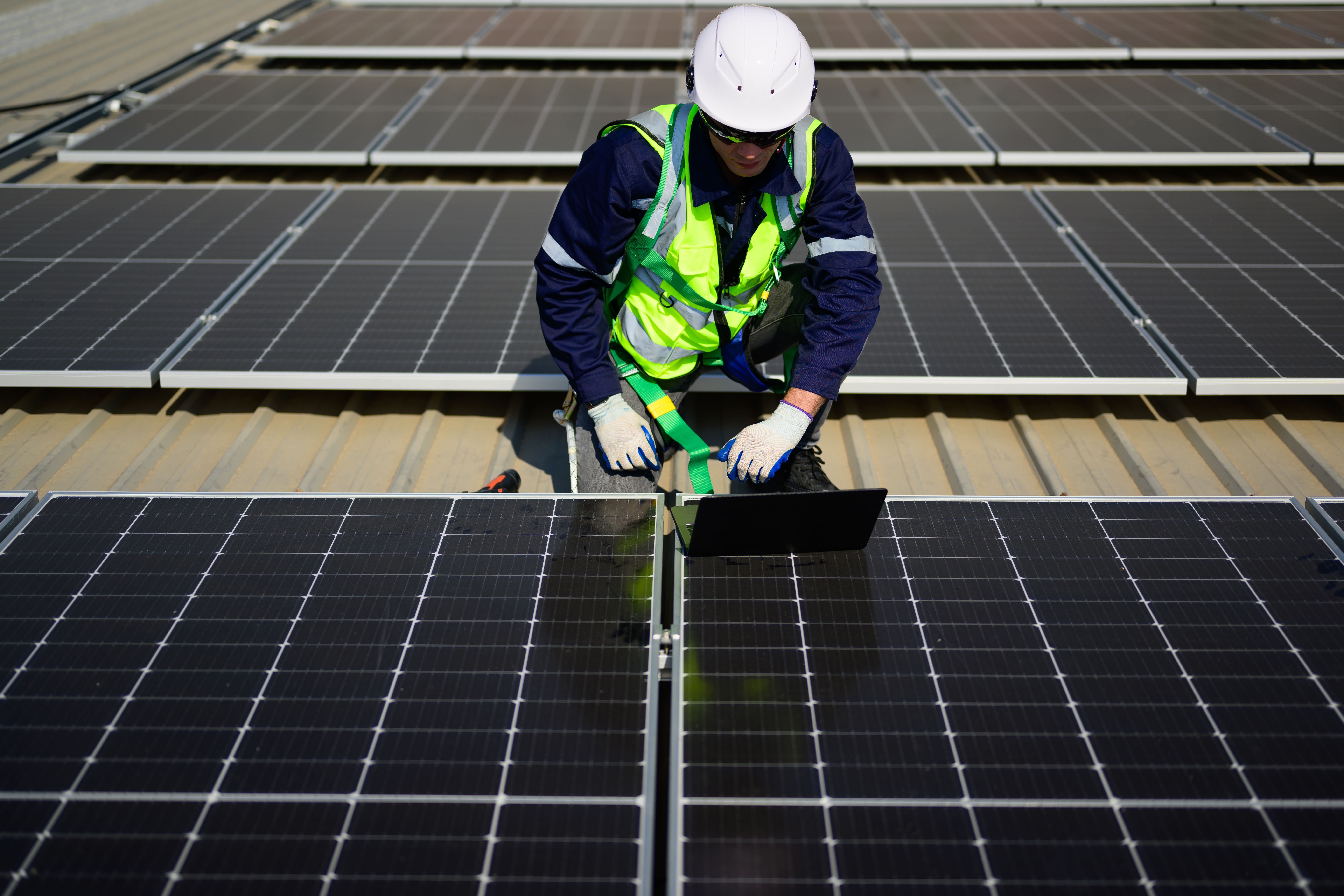
In recent years, the photovoltaic sector has experienced rapid and steady growth. The increasing number of installations, rising installed capacity, and the strategic role of solar energy in the energy transition have brought renewed attention to a topic that is often underestimated: maintenance. It is no longer a secondary activity, but a key tool for managing and preserving the value of a photovoltaic system.
Within this context, predictive maintenance for photovoltaic systems represents a natural evolution. Through continuous monitoring and intelligent data analysis, it makes it possible to prevent issues before they turn into failures, improving reliability and long-term profitability.
Maintenance management in modern photovoltaic systems
The evolution of maintenance in the solar energy sector
Initially, maintenance in photovoltaic systems was largely reactive. In other words, action was taken only when something stopped working. While simple, this approach often led to unexpected downtime, production losses, and costs that were difficult to predict.
Over time, preventive maintenance introduced scheduled inspections and periodic checks. This was certainly a step forward, but not always sufficient: calendar-based interventions do not guarantee that components are actually close to failure, nor that issues will not arise shortly after an inspection.
This is where digitalization comes into play. Sensors, monitoring systems, and data analysis platforms have paved the way for data-driven maintenance, offering a much more accurate and reliable approach.
The relationship between maintenance, reliability, and energy performance
A well-maintained system produces more energy, lasts longer, and delivers greater stability over time. Even minor anomalies, if neglected, can lead to significant energy losses. Modern maintenance strategies therefore focus on reducing unplanned downtime and keeping systems in optimal operating conditions, day after day.
Predictive maintenance applied to photovoltaic systems
A predictive approach to solar plant management
Predictive maintenance is based on a simple yet powerful principle: continuously observing system behavior in order to anticipate problems. By analyzing operational data, it becomes possible to identify early signs of degradation that might otherwise go unnoticed.
In practice, actual performance is compared with expected performance. When deviations occur, the system flags them. This makes it possible to intervene calmly and methodically, well before the issue becomes critical.
Comparing maintenance strategies in the photovoltaic sector
Corrective maintenance, which relies on intervention after a failure has occurred, is the most costly and risky approach.
Preventive maintenance improves the situation but does not take into account the actual condition of components. Predictive maintenance, on the other hand, combines continuous monitoring with advanced analysis, enabling targeted, timely, and truly necessary interventions. The result is fewer unexpected events and greater control over system operation.
Operational objectives of predictive maintenance in solar systems
Optimizing photovoltaic system performance
One of the main goals is to maintain high energy production over time. Quickly identifying drops in performance, efficiency losses, or anomalies helps preserve overall system output and fully exploit its potential.
Failure prevention and improved reliability
Prevention is better than cure, especially in the photovoltaic sector. Anticipating failures reduces the risk of system downtime, enhances safety, and ensures greater operational continuity. A reliable system is also easier to manage.
Optimization of maintenance and operating costs
Intervening only when necessary, and at the right time, helps reduce emergency repairs and allows technical activities to be planned more efficiently. Over the long term, this approach leads to better control of operating costs.
How predictive maintenance systems for photovoltaic plants work
Data collection and system monitoring
At the core of predictive maintenance lies continuous data collection. Energy production, performance ratios, temperatures, solar irradiance, and environmental conditions provide an ongoing snapshot of system health.
Data analysis and advanced diagnostics
Collected data is processed using statistical models and advanced analytical systems. The goal is to recognize abnormal behavior, identify degradation trends, and estimate the likelihood of failure. Over time, historical analysis makes predictions increasingly accurate.
Decision support and maintenance planning
Analysis results are translated into clear alerts and operational recommendations. As a result, maintenance is no longer reactive, but planned consciously and based on concrete information.
Photovoltaic system components monitored from a predictive perspective
Photovoltaic modules and active surfaces
Modules are constantly exposed to external factors and may experience degradation over time. Localized overheating, microcracks, soiling, and shading directly affect production and require careful monitoring.
Inverters and conversion systems
Inverters are among the most sensitive components of a photovoltaic system. Monitoring their operation helps prevent failures related to high temperatures, electronic component wear, or operational instability.
Cabling, electrical panels, and support structures
Faulty connections, abnormal resistance, or structural stress can cause inefficiencies or safety issues. Predictive maintenance helps detect these criticalities before they become serious problems.
Technologies for predictive maintenance in photovoltaic systems
Intelligent sensors, IoT devices, and software platforms now enable comprehensive system monitoring. These are complemented by tools such as thermography and automated drone inspections, which provide immediate and detailed insights into system conditions.
The use of artificial intelligence makes analyses increasingly reliable, while simulation models allow future performance trends to be assessed.
Predictive maintenance versus traditional maintenance in photovoltaics
Compared with traditional approaches, predictive maintenance offers more precise management, less invasive interventions, and a significant reduction in production losses. From an economic standpoint, this translates into greater stability and improved long-term profitability.
Economic and operational benefits of predictive maintenance in photovoltaics
Lower operating costs, increased energy production, and extended system lifetime are among the most evident benefits. In addition, improved performance predictability enables more solid and informed financial planning.
Application areas for predictive maintenance in photovoltaic systems
Predictive maintenance can be applied to residential, commercial, industrial, and utility-scale systems. It is particularly advantageous in complex or hard-to-access environments, where prevention is essential.
Limitations and challenges of predictive maintenance in photovoltaics
Implementing predictive systems requires an initial investment and appropriate technical expertise. Furthermore, data quality and integration with existing systems are critical factors for the success of this approach.
Regulations, standards, and guidelines for photovoltaic maintenance
Operating in compliance with technical regulations and industry best practices is essential to ensure safety, reliability, and operational continuity. A clear regulatory framework strengthens the effectiveness of maintenance strategies.
The future evolution of predictive maintenance in the photovoltaic sector
Looking ahead, predictive maintenance will become increasingly integrated with advanced energy management systems and smart grids. Automation, advanced analytics, and greater decision-making autonomy will make photovoltaic systems even more reliable and sustainable, contributing tangibly to the energy transition.
Purchase your EV Charger
Our expert will contact you to offer you the most suitable solution for you.