May 6, 2026
Bifacial photovoltaic panels: the innovative solution that can increase efficiency
Discover how bifacial photovoltaic panels work, what advantages they offer, where they truly make sense, and what to consider before installation.
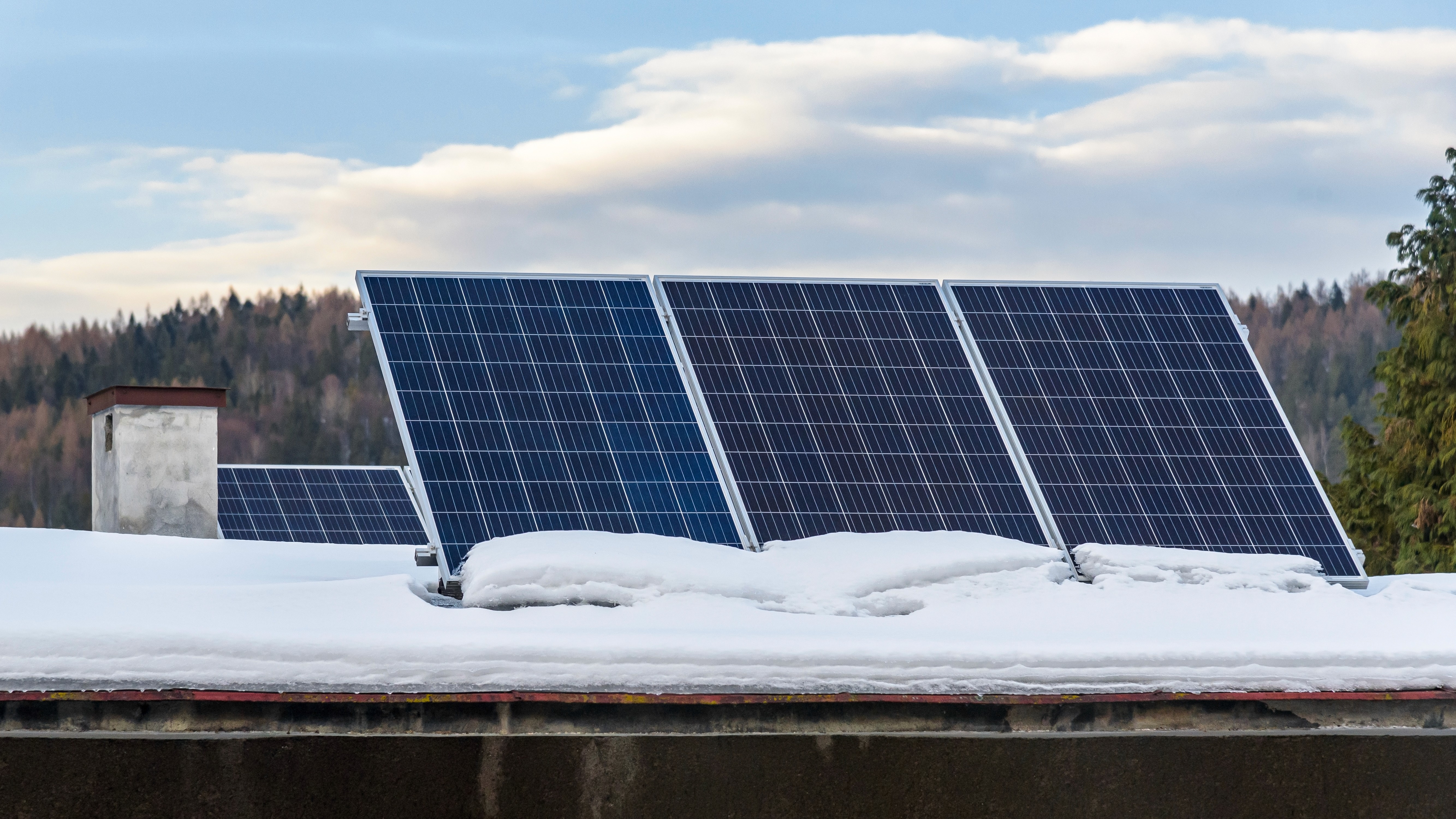
In recent years, photovoltaic technology has taken a significant step forward. Among the most interesting—and, frankly, most promising innovations are bifacial photovoltaic panels. This is not just a simple technological upgrade, but a different approach to solar energy production.
The idea is quite intuitive: why use only one side of a panel when you can use both?
That said, more technology does not automatically mean more convenience. That’s why it’s worth understanding how they work, where they perform best, and when they are truly the right choice.
How bifacial photovoltaic panels work
At first glance, they look similar to traditional panels. The key difference is that they generate energy on both sides.
Dual-surface production
The front side captures direct sunlight, just like any standard photovoltaic module. Nothing new here.
The real innovation lies in the rear side, which captures light reflected from the ground or surrounding surfaces. In practice, the panel works “360 degrees.”
Albedo effect: the detail that makes the difference
A key concept comes into play here: albedo, meaning the ability of a surface to reflect light.
Light-colored surfaces - such as gravel, concrete, or snow - reflect more light back toward the panel, increasing energy production. In other words, the surrounding context matters.
When they perform best
To deliver real benefits, bifacial panels need:
space beneath the module
good exposure to light
reflective surfaces
In short, it’s not just about installing them, it’s about installing them properly.
Structure of bifacial panels and cell technologies
Let’s go a bit deeper.
Glass-glass modules
Most bifacial panels use a glass-on-both-sides structure. This allows light to pass through the module and reach the rear side.
Cell technologies
The most common technologies include:
Bifacial PERC
TOPCon
HJT
You don’t need to memorize them all, but it helps to know they are designed to improve efficiency and reduce losses.
Materials and durability
Thanks to their robust structure, these panels tend to:
perform better over time
degrade more slowly
A clear advantage, especially in the long term.
Advantages of bifacial photovoltaic panels
Why are they gaining so much attention?
Higher energy production
The main benefit is clear: more energy compared to traditional panels. In optimal conditions, the increase can be significant.
Better real-world efficiency
This is not just theoretical. In practice, bifacial panels maintain solid performance.
Durability and reliability
Their build quality supports a long and stable lifespan.
Better long-term economics
More energy means a lower cost per kWh over time. And that’s what really matters.
Drawbacks and limitations to consider
It’s important to stay realistic.
Higher upfront cost
Yes, bifacial panels are more expensive. This should not be overlooked.
More complex installation
They require careful design. This is not a plug-and-play solution.
Context dependency
If the conditions are not right, the advantage decreases, sometimes significantly.
Not always ideal for traditional rooftops
On many residential roofs, the benefits are limited. Better to know this in advance.
Differences compared to traditional panels
A quick comparison:
Performance: bifacial panels are superior, but only in optimal conditions
Cost: higher upfront
Applications: better suited for open spaces
In short: better technology, but not universal.
Optimal conditions to maximize production
Height from the ground
More space under the panel means more reflected light can be captured.
Orientation and tilt
The right angle makes a real difference.
Reflective surfaces
Light-colored or treated ground can significantly increase output.
Technical details matter and quite a lot.
Applications of bifacial panels
Where do they perform best?
Ground-mounted systems
The ideal solution. This is where they reach their full potential.
Industrial sector
Warehouses and large surfaces are well suited.
Canopies and parking areas
An increasingly common and visually interesting application.
Residential use
Possible, but only in specific cases.
Actual production and performance
Production increase
In favorable conditions: +10% up to +25%.
Key variables
type of surface
height from the ground
exposure
Practical example
A standard system can generate a meaningful amount of additional energy.
Cost of bifacial photovoltaic panels
Module price
Typically around 10–20% higher than standard panels.
System cost
A typical installation may cost slightly more, but the comparison should be made over the long term.
Economic evaluation
If properly designed, bifacial systems can be more cost-effective over time. But, and this is important, only under the right conditions.
Incentives and subsidies
Good news: bifacial panels are also eligible for incentives.
tax deductions
incentives for companies
energy communities
It is always worth checking available opportunities.
Installation: what really matters
Main requirements
adequate space
good exposure
tailored design
Mounting structures
Elevated systems are often needed to fully benefit from the rear side.
Common mistakes
installing too close to the ground
ignoring reflective conditions
applying a “standard” approach to a non-standard technology
Maintenance and lifespan
Lifespan
Over 25 years, often longer.
Maintenance
Limited, but necessary:
periodic checks
Performance over time
Stable and reliable, if properly installed.
When bifacial panels make sense
The real question is: does it make sense in your case?
They are a good choice when:
you have ground space available
you can benefit from reflective surfaces
you aim to maximize production
Less suitable for standard rooftop installations.
How to choose the best bifacial panels
Avoid going “by instinct.”
Evaluate:
actual efficiency
build quality
warranties
manufacturer reliability
A good product makes a difference in the long term.
Mistakes to avoid
Some are more common than expected:
expecting automatic results
ignoring the installation context
choosing based only on price
A conscious approach helps avoid unpleasant surprises.
Frequently asked questions
Do they really produce more?
Yes, but it depends on the conditions.
Are they suitable for homes?
In some cases, yes but not always.
Are they much more expensive?
Slightly, but they can pay off over time.
Do they require special structures?
Often yes, to achieve maximum performance.
Is it worth investing in bifacial panels?
Bifacial photovoltaic panels represent an advanced, efficient, and often advantageous solution. However, and this is the key point, they are not suitable for every situation.
If properly designed and installed in the right context, they can deliver higher performance and an attractive return.
Otherwise, a traditional solution may be more balanced.
The final takeaway: evaluate carefully, compare options, and choose based on your real conditions.
Purchase your EV Charger
Our expert will contact you to offer you the most suitable solution for you.