Jun 5, 2026
Qualified photovoltaic installer: essential checks before signing
A practical guide to assessing a photovoltaic installer before signing a contract, spotting unclear offers and choosing with greater confidence.
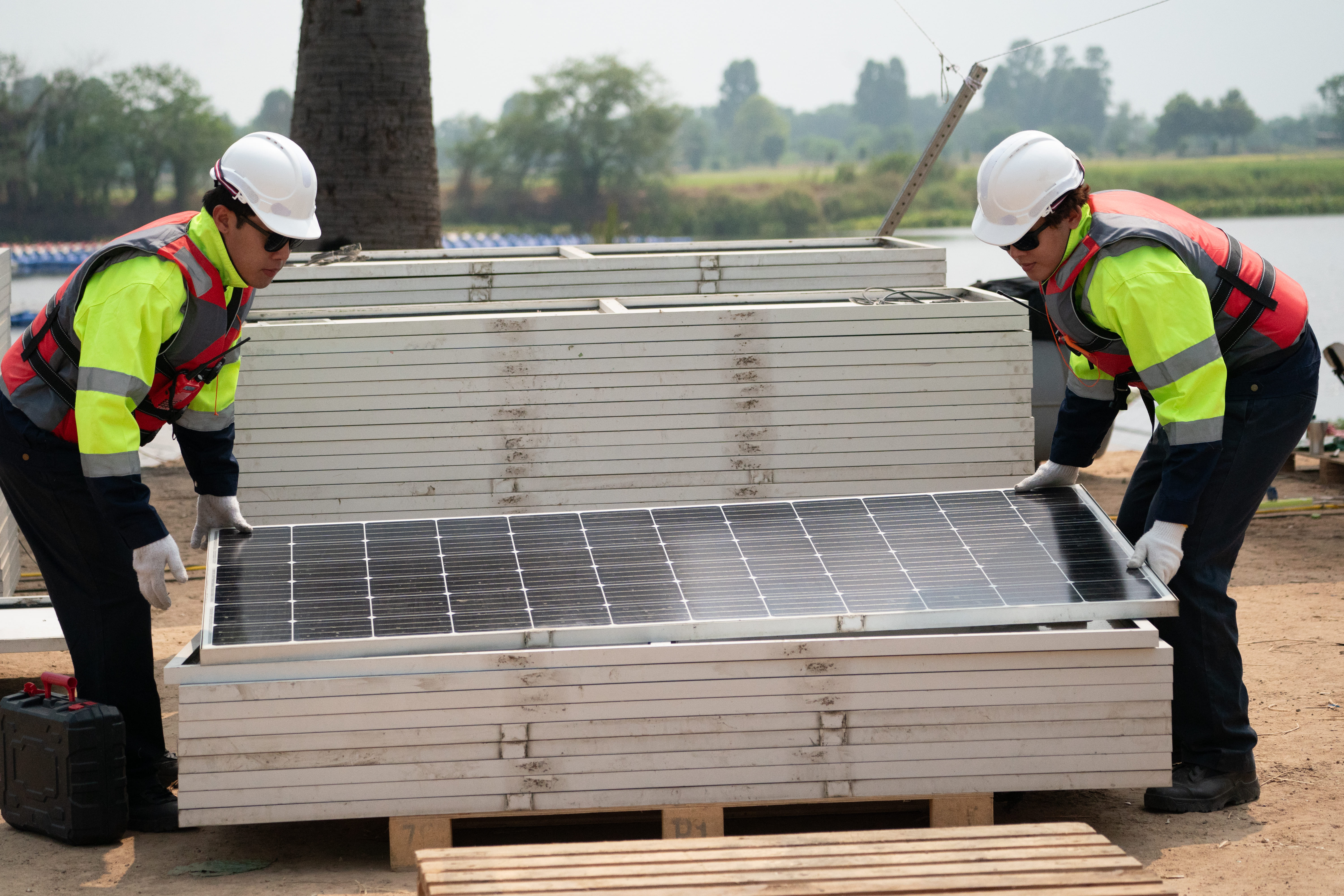
Choosing a qualified photovoltaic installer is one of the most important steps when deciding to install a solar system. It is not just about buying photovoltaic panels and having them mounted on the roof: a well-designed system must be safe, efficient, correctly sized and suited to the real energy needs of the home or business.
A good installer does not simply “do the job”, but supports the customer throughout the entire process: consumption analysis, site inspection, component selection, quote, installation, grid connection procedures, testing and post-installation support.
On the other hand, a rushed choice can lead to quite a few problems: lower-than-expected production, unsuitable components, unexpected extra costs, long waiting times, unclear warranties or difficulty receiving support after the system has been activated.
So, let’s look at how to choose a reliable photovoltaic installer, which elements to assess before signing a contract and which warning signs should not be underestimated.
Why choosing the right photovoltaic installer is important
The quality of a photovoltaic system depends on several factors: solar panels, inverter, roof orientation, shading, user consumption and installation quality. Among all these aspects, the installer plays a central role.
A competent professional can turn a simple quote request into a technical solution that is truly suitable for the customer. This means proposing a system sized according to consumption, choosing components that are compatible with each other and installing everything in compliance with safety standards.
The installation of photovoltaic panels affects system performance, safety and lifespan
A photovoltaic system can remain in operation for many years. For this reason, the initial installation must be carried out carefully. Even small mistakes can have consequences over time.
Untidy wiring, a mounting structure that is not suitable for the roof, a poorly chosen inverter or panels positioned without enough attention can reduce energy production and increase the risk of faults.
A qualified photovoltaic installer assesses every detail before starting the work. They study the available surface, consider sun exposure, check for shading and inspect the existing electrical system. In other words, they do not improvise.
The difference is especially noticeable in the long run: a well-designed and properly installed system produces more efficiently, requires fewer corrective interventions and gives the owner greater peace of mind.
Why you should not choose a photovoltaic system based only on price
It is normal to want to save money, especially when making an important investment. However, choosing an installer only because they offer the lowest price can be risky.
A very cheap offer may hide less efficient components, excluded procedures, limited warranties or poorly structured support. At first glance, the quote may seem convenient, but over time it can turn out to be less advantageous.
The point is not necessarily to choose the most expensive offer. The point is to understand what you are really buying. Two photovoltaic systems with the same power rating can have very different performance and reliability depending on the quality of the panels, inverter, design and after-sales service.
In practice, it is best to assess the balance between price, quality, warranties and support. A good installer knows how to explain the value of their proposal without pushing the sale and without making unrealistic promises.
What requirements a reliable photovoltaic system installer should have
A reliable photovoltaic system installer must combine technical skills, practical experience and the ability to guide the customer clearly. Knowing how to mount panels is not enough: a complete understanding of the system is needed.
Before choosing, it is useful to check a few essential requirements.
Authorisations and technical skills for electrical systems
A photovoltaic system is, in every respect, an electrical system. For this reason, those who install it must have the necessary skills to work safely and create a compliant system.
A qualified installer must understand how photovoltaic modules, inverters, electrical protections, storage systems and monitoring systems work. They must also know how to integrate the system with the existing electrical panel and assess any necessary upgrades.
When speaking with an installer, pay attention to how they answer technical questions. If they explain things clearly, without using only complicated terms or vague phrases, that is a good sign. A serious professional does not try to confuse the customer, but helps them understand.
Specific experience in residential and business photovoltaic installation
Experience matters. An installer who has already completed several photovoltaic systems will be better able to deal with unexpected issues, technical constraints and specific situations.
Not all systems are the same. A private home requires different assessments from a company warehouse. A pitched roof is different from a flat roof. A system with battery storage requires different expertise from one without storage.
For this reason, it is useful to ask whether the installer has already worked on projects similar to yours. There is no need to demand huge numbers, but concrete and verifiable experience is important.
Documentation, regulatory compliance and declaration of conformity
A photovoltaic system must be built according to precise rules. At the end of the work, the installer must provide the required documentation, including the declaration of conformity.
This document is important because it certifies that the system has been installed correctly. It is not just a formality: it is needed for safety, for any checks, for grid connection and for the future management of the system.
Before signing, always ask which documents will be provided at the end of the work. If the answer is vague, it is better to investigate further.
Reviews, references and completed solar systems
Customer reviews can help you understand how an installer works. Of course, you should not rely on a single opinion, but rather look at the overall picture.
It is useful to check:
online reviews;
photos of completed systems;
customer testimonials;
any case studies;
the company’s local presence;
clarity of information on the website.
A reliable installer should have no difficulty showing previous work or explaining their experience.
The photovoltaic site inspection: the first sign of professionalism
The site inspection is one of the most important moments when choosing an installer. This is when you understand whether the offer will really be customised or simply standard.
A quote prepared without enough technical information may be inaccurate. Of course, an initial estimate can also be prepared remotely, but before installation it is essential to inspect the property carefully.
Analysis of the roof, panel orientation and shading
During the site inspection, the installer must assess the roof or the surface available for the photovoltaic panels. Knowing how many square metres are available is not enough: it is necessary to understand how they are exposed to the sun.
The main aspects to check are:
orientation of the roof pitch;
roof inclination;
space actually available;
presence of chimneys, antennas or skylights;
shadows cast by trees or nearby buildings;
condition of the roof covering;
possibility of correctly fixing the mounting structures.
Shading is particularly important. Even a limited shaded area can affect production, especially if it falls on the panels during the sunniest hours. A competent installer knows this and proposes suitable solutions.
Assessment of real energy consumption and electricity bills
A photovoltaic system should be sized according to real consumption. For this reason, the installer should ask for electricity bills and analyse how much energy is consumed during the year.
It is not enough to propose a “standard” power rating. A family that consumes a lot of energy in the evening will have different needs from someone who works from home during the day. A company with machinery running during daylight hours may have a very different self-consumption profile from a household.
Consumption assessment helps avoid two common mistakes: installing a system that is too small or, on the contrary, oversizing it unnecessarily.
Check of the electrical panel and future self-consumption needs
A serious site inspection also includes checking the existing electrical system. The installer must inspect the electrical panel, assess any upgrades and understand how to integrate the photovoltaic system safely.
At this stage, it is also useful to discuss future needs. For example:
are you planning to install a storage battery?
are you considering a heat pump?
do you want to buy an electric car?
will you need a home wallbox?
could your consumption increase in the coming years?
A good installer does not look only at the current situation, but proposes a solution that can remain valid in the future too.
How to assess a photovoltaic installer’s quote
The quote is the document that allows you to compare offers and understand what is actually included. It must be clear, detailed and easy to understand.
A quote that is too generic is a warning sign. If information on components, warranties, procedures or extra costs is missing, it becomes difficult to assess the offer properly.
What a clear photovoltaic quote should include
A good photovoltaic quote should include at least:
proposed system power;
number of photovoltaic panels;
brand and model of the modules;
brand and model of the inverter;
any storage battery;
mounting structures;
main electrical components;
installation and labour;
grid connection procedures;
testing;
monitoring;
warranties;
estimated timing;
final price;
any exclusions.
The more detailed the quote, the easier it will be to compare it with other offers. A clear document also shows greater transparency from the installer.
Solar panels, inverter and components listed with brand and model
Generic descriptions are not enough. Phrases such as “high-efficiency panels” or “quality inverter” are too vague if they are not accompanied by brand, model and technical specifications.
Knowing which components will be installed is essential to assess:
product reliability;
warranty duration;
compatibility between devices;
future support options;
overall system quality.
The inverter, in particular, is a key element. It is the heart of the system, because it converts the energy produced by the panels into usable energy. An unsuitable inverter can limit system performance.
Grid connection procedures, installation and testing: what is included and what is not
Many quotes are presented as “turnkey”, but this formula does not always mean the same thing.
Before signing, it is important to clarify whether the following are included:
design;
supply of materials;
installation;
grid connection procedures;
any communications with the distributor;
final testing;
declaration of conformity;
monitoring system configuration;
initial support after activation.
If some items are excluded, they must be clearly stated. It is better to know this immediately than to find out once the work has already started.
Photovoltaic system warranties and post-installation support
Warranties are a fundamental part of the offer. It is important to distinguish between manufacturer warranties and the installation warranty.
In general, it is useful to ask:
how long the panel warranty lasts;
how long the inverter warranty lasts;
which conditions apply to the battery, if present;
who handles the process in case of a fault;
what the installation warranty covers;
how support works after testing.
A serious installer does not simply sell the system, but remains a point of reference even after activation.
Extra costs to clarify before signing the contract
Some costs may not be included in the initial quote. This is not necessarily a problem, as long as they are communicated transparently.
Costs to check include:
electrical panel upgrades;
masonry works;
scaffolding or special safety systems;
non-standard procedures;
changes to the roof covering;
warranty extensions;
scheduled maintenance;
any additional accessories.
A good installer explains in advance which situations could generate extra costs. This helps avoid unpleasant surprises.
How to compare multiple photovoltaic installers
Requesting more than one quote is a good practice. However, the comparison must be made methodically. Looking only at the final price can lead to the wrong choice.
Two offers that appear similar may include very different components, services and warranties.
Compare component quality, services and warranties, not just price
When comparing several photovoltaic installers, assess:
panel quality;
type of inverter;
presence of monitoring;
warranty duration;
included procedures;
installation times;
company experience;
after-sales support;
clarity of the quote.
A slightly higher offer can be more convenient if it includes better components, more services and stronger support.
Assess the transparency of answers and the clarity of the offer
Transparency is a decisive criterion. A reliable installer answers questions directly, explains the reasons behind technical choices and does not avoid details.
Watch out for answers that are too generic, such as:
“Don’t worry, everything is included”;
“All products are the same”;
“This is the best price, you have to decide now”;
“There’s no need to go into too much technical detail”.
A customer does not need to become an engineer, of course. But they do have the right to understand what they are buying.
Understand who will handle system design, installation and support
In some cases, the person selling the system is not the same person who designs or installs it. This is not necessarily negative, but it must be clear.
Before choosing, ask:
who will carry out the site inspection;
who will design the system;
who will perform the installation;
who will manage the procedures;
who will intervene in case of a fault;
who will be the contact person after activation.
Having a clear point of contact makes everything easier. When responsibilities are unclear, every problem risks becoming more complicated than necessary.
Questions to ask before choosing a photovoltaic installer
Asking the right questions helps you understand whether the installer is truly prepared. There is no need to turn the meeting into an interrogation, but some issues must be clarified before signing.
Questions about photovoltaic system sizing
You can ask:
Why are you proposing this power rating?
What consumption data did you use for the calculation?
Have you analysed my bills?
How much energy will the system produce in a year?
What level of self-consumption can I expect?
Is the system also designed for possible future consumption?
The answers should be well reasoned. If the installer proposes a power rating without explaining why, it is better to investigate further.
Questions about photovoltaic panels, inverters and warranties
Before signing, ask:
Which panels will be installed?
Which inverter is planned?
Are the components compatible with each other?
How long do the warranties last?
Who manages the warranty in case of a problem?
Is a monitoring system included?
These questions help you understand the technical quality of the offer.
Questions about administrative procedures, installation times and extra costs
It is also important to clarify the organisational side:
Are grid connection procedures included?
Who handles the documentation?
What are the expected timescales?
How long does the physical installation take?
Are there any excluded costs?
What happens if additional work is needed?
A reliable installer does not promise impossible timelines, but provides a realistic estimate.
Questions about monitoring, maintenance and support after installation
Post-installation support is often underestimated. Yet it is essential.
Ask:
How can I monitor the system’s production?
What happens if I notice a drop in performance?
Who do I contact in case of a fault?
Are periodic checks planned?
Is a maintenance service available?
Is support handled internally or outsourced to external partners?
A good relationship with the installer does not end on the day of testing. In fact, that is when the longest phase begins: the daily use of the system.
Warning signs not to ignore when choosing an installer
Some signs should make you think carefully before signing. They do not always indicate a problem, but they deserve attention.
Generic or unclear quote for the photovoltaic system
A quote that does not specify components, warranties, included services and excluded costs is difficult to assess. If essential details are missing, ask for clarification.
If the installer is unwilling to provide more precise information, it is better to be cautious.
No technical site inspection before installation
A photovoltaic system must be adapted to the property. If no site inspection or technical check is planned, the risk of errors increases.
An initial remote proposal can be fine, but the technical check before work begins is an important step.
Price much lower than other photovoltaic offers
A price much lower than the other quotes may seem attractive, but it should be analysed carefully.
The offer may be missing:
procedures;
quality components;
electrical upgrades;
support;
solid warranties;
full testing.
This does not mean that a low-cost offer is necessarily wrong. However, it must be clear why it costs less.
Energy saving promises not based on real consumption
Be wary of anyone who promises very high savings without analysing your consumption. Every case is different.
Savings depend on many factors: system production, self-consumption, daily habits, energy cost, presence of a battery and use of appliances during daylight hours.
A serious installer uses realistic data, not slogans.
Commercial pressure to sign the contract immediately
A photovoltaic system is an important choice. If the installer pushes too hard for you to sign immediately, using artificial urgency or offers valid “only today”, it is better to pause for a moment.
A reliable professional gives you time to assess the proposal. Of course, they may indicate real deadlines or limited availability, but without applying excessive pressure.
Choosing a qualified photovoltaic installer means protecting your investment and increasing the chances of obtaining an efficient, safe and long-lasting system.
Price is important, but it cannot be the only criterion. Before deciding, it is essential to assess technical skills, experience, quality of the site inspection, clarity of the quote, proposed components, warranties and post-installation support.
A good installer does not simply sell photovoltaic panels: they help the customer build an energy solution suited to their consumption, property and future goals.
The next step is to request a personalised technical assessment, compare offers carefully and choose the professional who provides the greatest transparency, expertise and reliability.
Purchase your EV Charger
Our expert will contact you to offer you the most suitable solution for you.