Apr 10, 2026
Discover the size of photovoltaic panels: real sizes of 300W, 400W, 500W for an efficient installation
Guide to choosing photovoltaic panels based on size and power for a high-performing solar system
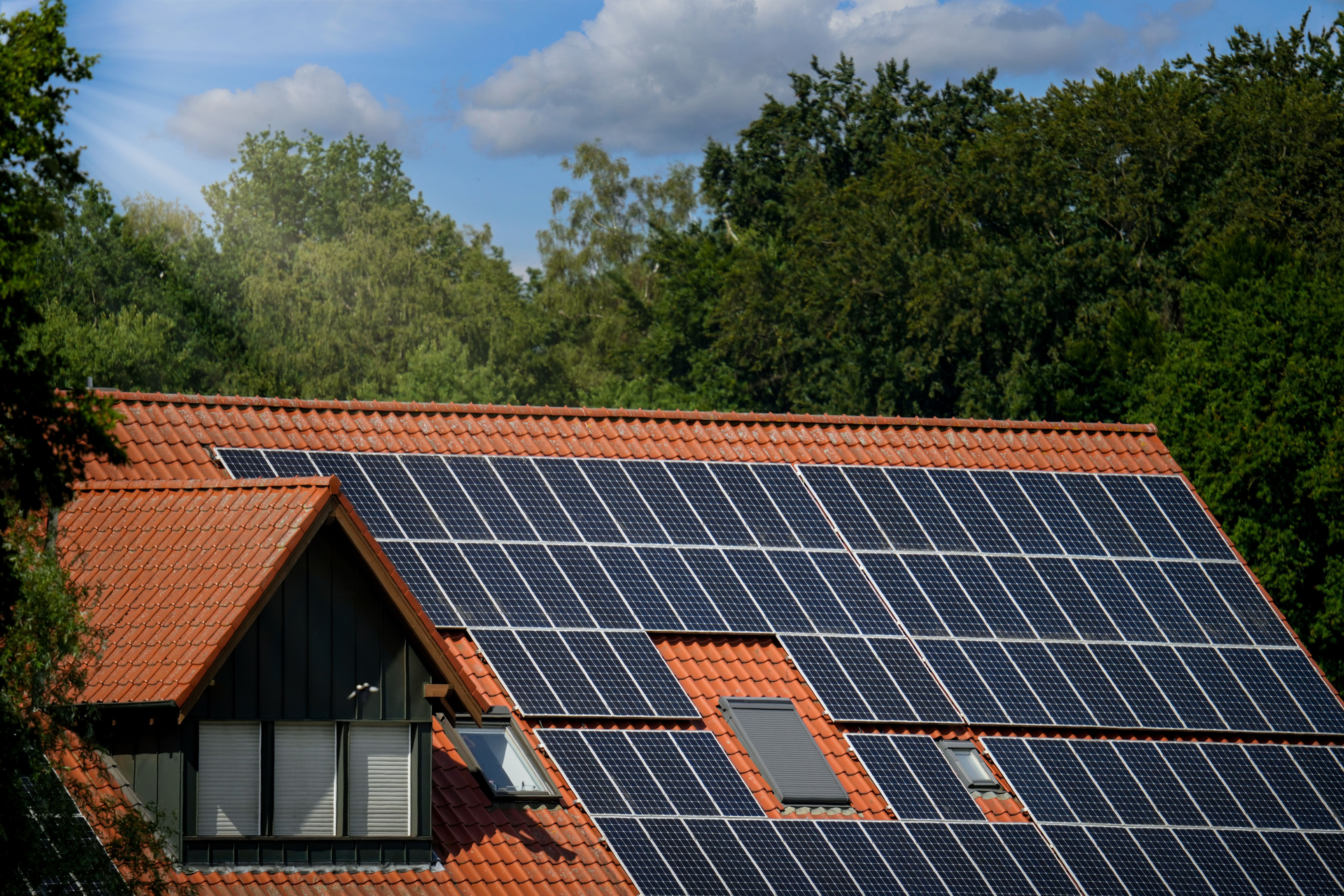
Photovoltaic panels represent one of the most advanced and sustainable solutions for renewable energy production. The size of a photovoltaic panel not only determines its physical footprint but also directly impacts its power and the efficiency of the entire system. Whether it’s for residential, commercial, or industrial installations, knowing the real sizes of 300W, 400W, and 500W photovoltaic panels is crucial for proper system design and optimal management.
What is a photovoltaic panel and how does it work?
Definition and operation of solar modules
A photovoltaic panel is a device that converts solar energy into electricity through the physical phenomenon of the photovoltaic effect. When sunlight hits the silicon solar cells within the panel, they generate an electric current that is then converted into usable energy via an inverter.
The size of a photovoltaic panel is linked to the number of solar cells contained in it, which determine the energy generation capacity. The larger the surface area of a panel, the more energy it can produce, provided that the cell efficiency is high.
Composition and components of a photovoltaic panel
A photovoltaic panel consists of several key parts:
Solar Cells: The heart of the panel, responsible for converting solar energy into electricity.
Glass: Protects the solar cells without compromising light transmission.
Frame: Made of aluminum alloy, it provides strength and support to the panel.
Wiring system and inverter: Connects the panels to the electrical system, allowing for energy management.
Types of photovoltaic panels
There are several types of photovoltaic panels, each with specific characteristics and advantages:
Monocrystalline: These panels offer higher efficiency and better performance in smaller spaces.
Polycrystalline: Usually more affordable, but slightly less efficient than monocrystalline panels.
Thin-film: Less efficient but more flexible and lightweight, ideal for installations on non-traditional surfaces.
How size affects the power of solar panels
Surface area and power: a deep dive
The power output of a photovoltaic panel is directly related to its surface area: the larger the size of the panel, the greater the amount of energy it can generate. For example, a larger panel with more advanced solar cells can produce more energy while maintaining a higher power density.
However, surface area alone does not determine power. The solar cell technology plays an equally important role. For instance, monocrystalline solar cells are more efficient than polycrystalline cells, meaning a panel of similar size can produce more energy.
Advanced technologies and the role of size
Photovoltaic panels are evolving rapidly, thanks to the introduction of innovative technologies like PERC (Passivated Emitter and Rear Contact) cells and bifacial panels, which enable greater efficiency with similar sizes compared to traditional models. PERC cells, for example, improve solar light collection and reduce energy losses, increasing the power produced by the panel while maintaining compact dimensions.
Space and installations: implications of size in installation
The size of a photovoltaic panel also influences system design. A larger panel, while capable of producing more energy, requires more space for installation. This aspect is crucial for both residential and commercial installations. The available surface area and the system configuration determine how much power can be installed and which type of panel will be best suited.
Real sizes of photovoltaic panels based on power
300W photovoltaic panels
Typical measurements and variability
300W photovoltaic panels are among the most common in residential installations. The standard dimensions for a 300W panel are generally around 1.7 m x 1 m (1.6 m²). However, these measurements can vary depending on the type of technology used, such as the use of advanced solar cells that allow for space optimization.
Features and main applications
300W panels are typically made with monocrystalline or polycrystalline cells and are suitable for small-scale installations, like residential setups. They offer a good balance between efficiency and cost, providing adequate power even on limited surfaces.
Advantages and installation limitations
300W panels are easy to install and ideal for homes with limited roof space. However, their power might not be sufficient for large industrial or commercial setups.
400W photovoltaic panels
Typical measurements and differences from 300W panels
400W panels are slightly larger than the 300W models, with a typical size of 1.8 m x 1 m (1.8 m²). These models offer a higher energy generation capacity per unit of surface area compared to 300W panels.
Technical features and advantages
400W panels are equipped with more efficient solar cells, often monocrystalline or PERC, which make them ideal for installations requiring higher energy production without taking up too much extra space. They are widely used in both residential and commercial environments.
Considerations for residential and commercial installations
If there is sufficient roof space or a dedicated area for the photovoltaic system, 400W panels offer an excellent solution for those wanting higher energy output without significantly increasing the number of panels.
500W photovoltaic panels
Typical measurements and power potential
500W panels are among the most powerful and typically measure around 2 m x 1 m (2 m²). These panels are designed for large-scale installations, such as commercial and industrial setups.
Features and technological innovations
500W panels are equipped with advanced technologies, such as bifacial solar cells, which capture light reflected from the surface beneath, further improving energy production.
Impacts on system design solutions
Although larger, 500W panels are ideal for large-scale installations thanks to their high power. This means that to achieve the same energy capacity as a system with smaller panels, less space and fewer modules will be required.
How to choose the right solar panel based on size and power
Key Factors in Choosing the Right Solar Panel
When selecting the right photovoltaic panel, several factors should be considered:
Available Space: If space is limited, it may be necessary to choose more efficient panels but with compact dimensions, like 300W or 400W models.
Energy Requirements: The power needed to power a home or business will determine how much energy needs to be produced, influencing the choice of panel.
Type of Installation: Residential, commercial, and industrial systems have very different space and energy production requirements.
Comparing 300W, 400W, and 500W Panels
If space is limited, 300W panels are the best option for small homes. 400W panels are suitable for those with more space or for medium-sized commercial systems. Finally, 500W panels are the ideal choice for large industrial systems requiring high power in optimized spaces.
Calculating the Number of Panels Needed for Each Type of System
To determine the number of panels needed, it is essential to calculate the annual energy consumption and compare it with the power produced by each panel. This way, space can be optimized and maximum efficiency can be achieved.
Future of Photovoltaic Panel Sizes and Technological Innovations
Evolution of Solar Modules: Smaller Size, Greater Power
Technological innovations are leading to the miniaturization of photovoltaic panels, increasing power without increasing the size. New technologies, such as perovskite solar cells and advanced materials, promise to further reduce the dimensions while maintaining high efficiency.
Innovations That Optimize Size for Greater Yield
The use of bifacial cells and new panel manufacturing techniques will allow for even more compact modules with superior energy production.
Sustainability and Environmental Impact in Size Innovation
With the evolution of materials and technologies, the sustainability of photovoltaic panels improves. Smaller, more efficient panels reduce the environmental impact during production and installation, contributing to a greener future.
In conclusion, the size of photovoltaic panels is crucial in determining their efficiency and energy generation capacity. Choosing the right panel depends on the specific needs of the system and the available space. With the evolution of technology, solar panels are becoming increasingly compact and efficient, offering solutions for every type of installation. If you're considering installing a photovoltaic system, it’s important to carefully assess your energy needs and consult with experts for optimal system design.
Purchase your EV Charger
Our expert will contact you to offer you the most suitable solution for you.