May 11, 2026
Solar with battery storage cost: the definitive guide to understanding whether it is really worth it
Prices, cost factors, bill savings, incentives, and practical criteria for evaluating a solar system with battery storage clearly and consciously.
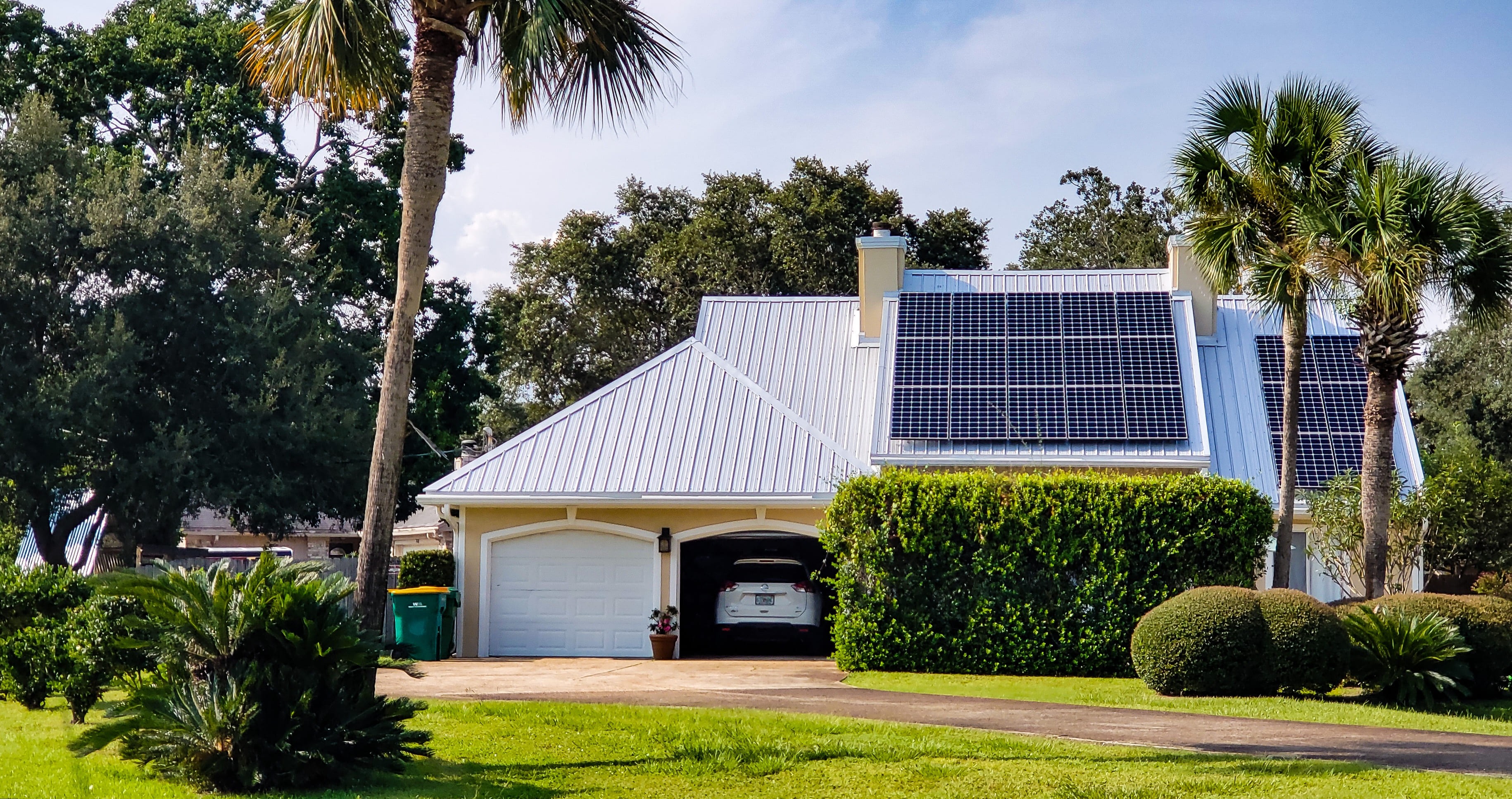
Understanding the cost of solar with battery storage is one of the first steps in assessing a truly informed energy investment. After all, it is perfectly natural to ask: how much does it cost to install a system with a battery? How much does the storage system affect the quote? And above all, do the savings on the electricity bill really offset the initial expense?
The answer, as is often the case, is not a single number that works for everyone. The price changes based on several factors, including:
the power of the solar PV system
the capacity of the storage battery
the quality of the panels, the inverter, and the other components
the complexity of the installation
the household’s energy consumption habits
In short, there is no one “standard” cost that works for every home. What does exist, rather, is the right cost for a well-designed setup. And that is exactly where real value comes into play.
What is really meant by the cost of solar with battery storage
When talking about price, it helps to distinguish between three different levels. Doing so makes quotes easier to read and helps avoid misleading comparisons.
Purchase cost
This is the initial price of the system, meaning how much it costs to buy and install panels, inverter, battery, mounting structures, protection devices, and labor.
Net cost
This is the actual cost after any tax deductions, bonuses, or available incentives. In other words, it is the real amount that affects the household budget in the medium term.
Lifetime cost
This is where other important aspects come into play, such as:
savings on the electricity bill
component lifespan
routine maintenance
any future replacement of the battery or inverter
That is why focusing only on the initial price can be a mistake. A system that costs less today is not necessarily the one that will be more worthwhile tomorrow.
How much does a solar system with battery storage cost
The cost of a solar system with a battery depends heavily on its size and configuration. In general, adding a storage system significantly increases the initial investment compared with a system without a battery.
As a broad rule of thumb, the residential market often revolves around these categories:
small systems, suitable for limited consumption
medium systems, ideal for families with regular consumption
larger systems, designed for homes with high loads, a heat pump, or an electric car
Rather than looking for one fixed figure, it makes more sense to think in terms of scenarios.
Small systems
A small system can be suitable for:
couples
small households
homes with moderate electricity consumption
In these cases, the price may seem proportionally high, because some fixed costs still weigh quite heavily even on more compact systems.
Medium systems
These are often the most balanced choice for an average family. Here, the relationship between cost, production, and self-consumption potential tends to be more favorable.
Large systems
These make sense when the home uses a lot of electricity, perhaps because of:
a heat pump
extensive air conditioning
an electric kitchen setup
constant occupancy throughout the day
In these cases, the cost certainly increases, but so can the potential for savings.
What the final price depends on
The power of the solar PV system
The first variable is the installed power. The more kW that are installed, the more the following tend to increase:
number of panels
required surface area
support structure
cabling
installation work
That said, bigger does not automatically mean better value. An oversized system can end up producing more energy than the home can realistically use, especially if the household is not able to take full advantage of it.
The capacity of the storage battery
The battery is one of the elements that most strongly affects the cost of solar with battery storage. A larger capacity makes it possible to store more of the energy produced during the day and use it in the evening or at night.
However, caution is needed: a very large battery is not always the best choice.
A battery can be:
too small, and therefore limit the benefit of storage
properly sized, and therefore genuinely improve self-consumption
too large, and therefore increase the price without a proportionate return
The quality of the components
Quality matters too, no question about it. Panels, inverters, and batteries are not all the same. They differ in terms of:
efficiency
reliability
lifespan
warranties
integration with monitoring systems
A system built with solid components tends to cost more, but it often also offers greater long-term stability.
The complexity of the installation
This is where the actual condition of the property comes into play. A simple, well-exposed roof makes installation more straightforward. On the other hand, the quote may rise if there are:
complex roofs or roofs that are difficult to access
shading issues
the need to upgrade the electrical panel
additional works that were not expected at the beginning
In short, two homes that appear similar at first glance can end up having very different costs.
How much the battery affects the total price
The storage system is often the item that changes the quote the most. It is the element that transforms a traditional solar PV system into a more advanced solution focused on self-consumption.
The battery affects the cost because it adds:
a technologically advanced component
management and safety systems
greater electrical complexity
a significant cost tied to capacity in kWh
Put simply, the battery is not an add-on. It is a core part of the project.
When storage makes the most sense
Storage tends to be especially attractive when:
electricity consumption is high in the evening
the home uses a heat pump
an electric car is already present or planned
there is a desire to increase energy independence
When it may be less worthwhile
There are also cases where the battery may be less advantageous than expected, for example when:
electricity consumption is very low
most of the energy is already used during the day
there are plans to leave the property within a few years
the roof does not allow for adequate solar production
In other words, storage can be an excellent choice, but only if it is well aligned with real consumption needs.
Why solar with battery storage can help reduce costs
The real advantage of storage lies in increasing self-consumption, meaning the share of energy produced by the panels that is actually used in the home.
Without a battery, part of the energy produced during the middle of the day may not be fully used. With a battery, some of that energy is stored and used when it is actually needed.
The main benefits are:
lower dependence on the grid
greater use of self-generated energy
lighter electricity bills over the medium to long term
better management of household energy use
Of course, real savings depend on how the household uses energy. Still, when the project is well designed, the improvement can be substantial.
When solar with battery storage is really worth it
There is no single answer. Still, there are situations where this solution tends to be especially effective.
Profiles for which it is more worthwhile
Solar with battery storage is often a good fit for:
families with medium to high electricity consumption
homes that are occupied mainly in the late afternoon and evening
properties with a heat pump
households that are electrifying their energy use
families with an electric car or plans to buy one
Profiles that require a more cautious assessment
A more careful analysis may be useful if:
consumption is very low
the home is used only occasionally
the roof exposure is not favorable
the main goal is simply to minimize the upfront cost
Here is the key point: value does not depend only on the technology itself, but on how well that technology fits the home.
How to choose the right setup without spending more than necessary
This is perhaps the most important part. To choose well, it is not enough to compare prices. You need to understand which data really matter.
Start with real consumption
First of all, it is worth analyzing:
electricity bills from the last 12 months
the seasonality of consumption
the difference between daytime and evening usage
any future increase in energy demand
For example, if there are plans to install a heat pump or buy an electric car in the next few years, that should already be taken into account during the design phase.
Size the system and battery properly
A good design looks for a balance between:
energy produced
energy consumed
energy stored
total cost
There is no need to chase the biggest possible setup. What matters is choosing the most suitable one.
Assess the overall quality of the offer
A serious quote should include at least:
system power
battery capacity
brand and model of the components
production estimate
warranties
included services
installation timeline
after-sales support
If these elements are missing, it is worth digging deeper. A clear quote is always better than one that seems convenient at first glance but lacks transparency.
Mistakes to avoid when assessing the cost of solar with battery storage
When comparing multiple solutions, there are some very common mistakes.
Looking only at the initial price
This is the most common mistake. A low price may seem attractive, but it does not tell the whole story. You also need to consider:
component quality
expected lifespan
included services
future savings
Choosing a battery that is too large
An oversized battery may feel reassuring, but if it is not actually used to its full potential, it can slow down the financial return.
Underestimating additional costs
Among the items that should not be overlooked are:
technical paperwork
electrical upgrades
complementary works
monitoring
support services
Not comparing offers in the right way
Comparing only the final total is not enough. It is also necessary to verify differences in configuration, materials, warranties, and services.
Frequently asked questions about the cost of solar with battery storage
How much does a solar system with battery storage cost on average?
It depends on the size, the quality of the components, and the complexity of the installation. In general, a system with a battery requires a higher investment than a system without storage, but it can offer better self-consumption and improved energy management.
How much does the battery affect the quote?
Quite a lot. In many cases, it is one of the main items in the total cost, especially for medium-sized residential systems.
Is it better to install storage right away or add it later?
It depends on the project and the goals. Installing it right away may make sense if evening consumption is already high. In other cases, it may be reasonable to start with solar only and evaluate storage at a later stage.
Is solar with battery storage always worth it?
Not always, but very often yes, when it is properly sized. The value increases if the home is able to make good use of the stored energy.
Which households benefit the most?
Typically:
families with medium to high consumption
homes with a heat pump
homes with an electric car
households with strong evening energy use
How to understand the real cost of solar with battery storage
The real cost of solar with battery storage cannot be measured by looking only at the starting price. It becomes clear only when the full picture is considered: consumption, battery size, component quality, installation, expected savings, and system lifespan.
In summary, a good solar system with storage should offer:
a configuration that matches the home’s consumption
a properly sized battery
reliable components
a transparent quote
a concrete prospect of long-term savings
The good news is that this technology is now more mature, more accessible, and more appealing for many families. Of course, careful planning is still essential. But when the project is done properly, solar with battery storage can move beyond being just an upfront cost and become a solid, useful, and forward-looking investment.
Purchase your EV Charger
Our expert will contact you to offer you the most suitable solution for you.