Aug 11, 2026
Durata batteria fotovoltaica: i fattori critici da conoscere
Come interpretare anni, cicli e capacità residua per capire quando l’accumulo sta davvero invecchiando e che cosa copre la garanzia.
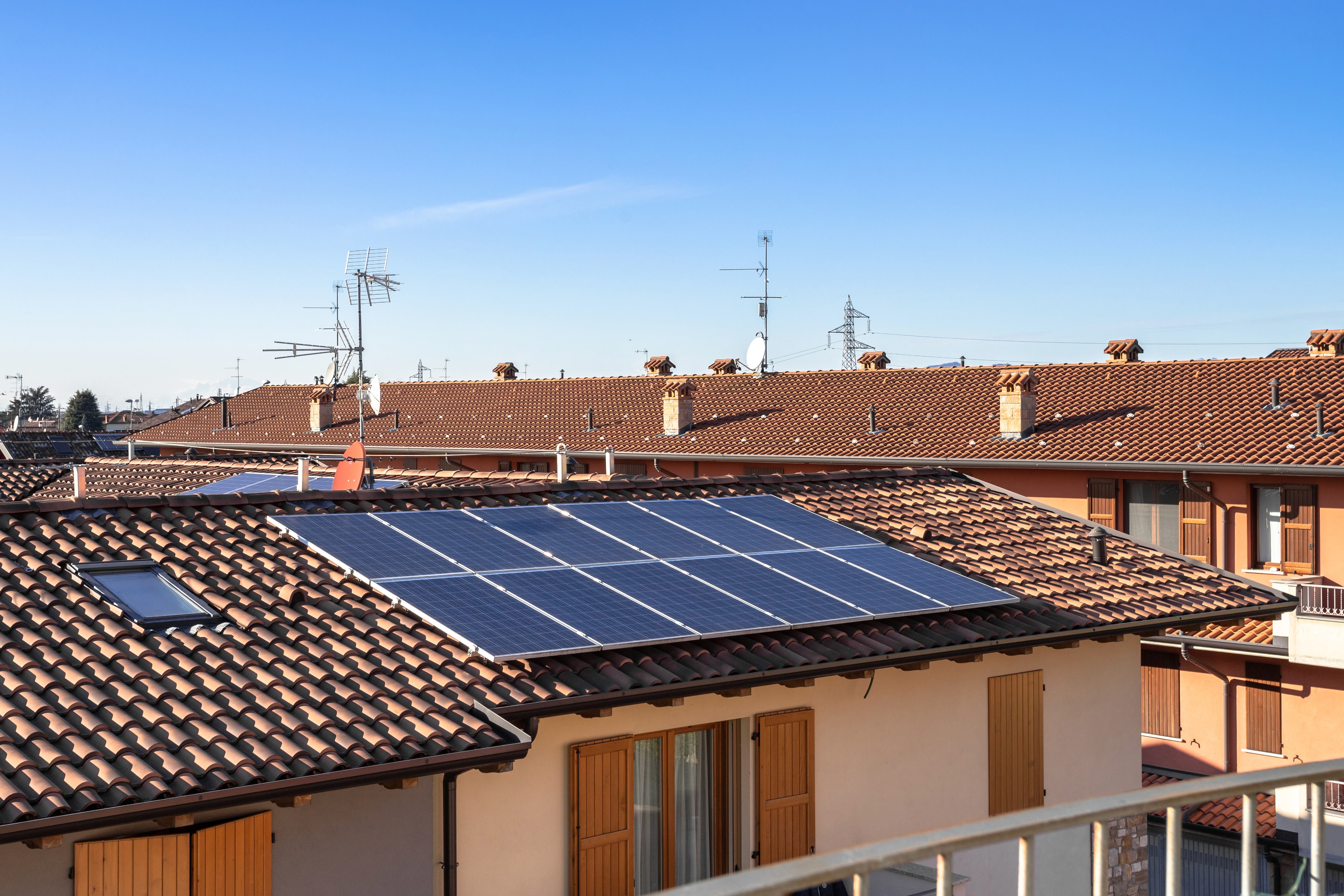
Quanto dura una batteria fotovoltaica? La risposta più comune è “circa dieci anni”, ma è una semplificazione. Dieci anni rappresentano spesso la durata della garanzia, non il momento esatto in cui il sistema di accumulo smetterà di funzionare.
Una batteria, infatti, non passa improvvisamente da perfettamente efficiente a inutilizzabile. Nella maggior parte dei casi continua a lavorare, ma perde gradualmente una parte della propria capacità: con il tempo riesce a conservare meno energia rispetto a quando era nuova.
Per valutarne la durata reale bisogna considerare diversi parametri: l’età, il numero di cicli, l’energia complessivamente erogata, le condizioni operative e la capacità residua. Anche la garanzia va letta con attenzione, perché due prodotti coperti entrambi per dieci anni possono offrire tutele molto diverse.
In poche parole, non basta chiedersi quanti anni dura una batteria. Bisogna capire come invecchia, quanta capacità conserva e fino a quale soglia le sue prestazioni sono garantite.
Quanti anni dura una batteria di accumulo fotovoltaico?
Non esiste una durata identica per tutti i sistemi. La vita utile dipende dalla tecnologia delle celle, dalla qualità costruttiva, dalla gestione elettronica e soprattutto dal modo in cui la batteria viene utilizzata.
Molti sistemi residenziali sono accompagnati da garanzie nell’ordine dei dieci anni, ma possono continuare a funzionare anche dopo la scadenza della copertura. La domanda decisiva, quindi, non è soltanto se la batteria sia ancora operativa, ma quanta energia riesca ancora a immagazzinare.
Per comprendere il ruolo di questo componente all’interno dell’impianto è possibile partire dalla guida dedicata alle batterie di accumulo per il fotovoltaico, dove vengono approfonditi funzionamento, impiego e integrazione con la produzione solare.
Vita utile, vita tecnica e garanzia non sono la stessa cosa
Quando si parla di durata della batteria fotovoltaica si sovrappongono spesso tre concetti:
la garanzia, cioè il periodo durante il quale il produttore offre una determinata copertura;
la vita utile, cioè il tempo durante il quale le prestazioni restano adeguate alle esigenze dell’abitazione;
la vita tecnica, cioè il periodo durante il quale il sistema può continuare a funzionare in condizioni di sicurezza.
La vita utile cambia in base ai consumi. Una batteria che ha perso il 20% della capacità iniziale potrebbe continuare a coprire senza problemi il fabbisogno serale di una famiglia. Lo stesso accumulo potrebbe invece risultare insufficiente in un’abitazione che, nel frattempo, ha aggiunto una pompa di calore, un piano a induzione o altri carichi elettrici importanti.
La scadenza della garanzia, dunque, non equivale al fine vita. Indica semplicemente che, da quel momento, eventuali riparazioni o cali prestazionali potrebbero non essere più coperti dal produttore.
Che cosa può succedere alla batteria dopo dieci anni?
Dopo dieci anni una batteria può trovarsi in condizioni molto diverse. Potrebbe:
funzionare regolarmente con una capacità leggermente inferiore;
raggiungere prima la riserva minima;
alimentare la casa per meno ore;
offrire una potenza più limitata nei momenti di maggiore richiesta;
richiedere una verifica tecnica o la sostituzione di un modulo.
Facciamo un esempio. Se una batteria metteva inizialmente a disposizione 10 kWh e, dopo diversi anni, ne rende disponibili 8, non è necessariamente arrivata alla fine della propria vita. Se i consumi serali della casa sono inferiori a 8 kWh, potrebbe continuare a svolgere il proprio compito ancora a lungo.
La perdita diventa significativa quando l’energia residua non è più sufficiente per l’utilizzo previsto. È per questo che la durata va sempre interpretata in relazione alle abitudini energetiche della casa e non soltanto alla data di installazione.
Cicli della batteria fotovoltaica: che cosa indicano davvero?
Il numero di cicli è uno dei dati più utilizzati per descrivere la longevità di una batteria. È anche uno dei più facili da interpretare male.
Un ciclo non corrisponde necessariamente a una giornata e non richiede sempre una carica dallo 0 al 100% seguita da una scarica completa.
Cicli completi, cicli parziali e cicli equivalenti
Un ciclo equivalente completo rappresenta l’utilizzo di una quantità di energia pari alla capacità considerata dal sistema.
Se una batteria dispone di 10 kWh utilizzabili e nel corso della giornata ne eroga complessivamente 10, avrà completato, in termini energetici, circa un ciclo equivalente. Non è necessario che la scarica sia avvenuta tutta in una volta.
Due scariche del 50%, per esempio, possono corrispondere a un ciclo equivalente completo. Lo stesso vale per cinque utilizzi del 20%.
Questa distinzione è importante perché, nella vita reale, una batteria domestica si carica e si scarica quasi sempre in modo parziale. Nuvole, consumi improvvisi e variazioni della produzione possono generare diverse piccole oscillazioni durante la stessa giornata.
Come stimare i cicli annuali
Per ottenere una stima indicativa si può dividere l’energia scaricata durante l’anno per la capacità utile della batteria.
Una batteria con 10 kWh utilizzabili che abbia erogato 2.500 kWh in dodici mesi avrà effettuato indicativamente:
2.500 kWh ÷ 10 kWh = 250 cicli equivalenti
Il risultato è solo orientativo. Il sistema di gestione potrebbe adottare un metodo di conteggio diverso, tenere conto delle perdite oppure utilizzare una capacità di riferimento differente.
Serve comunque a capire quanto intensamente viene utilizzato l’accumulo. Una batteria impiegata ogni giorno per aumentare l’autoconsumo dell’energia solare accumulerà normalmente più cicli rispetto a un sistema mantenuto soprattutto come riserva.
Perché non tutti i cicli producono la stessa usura
Due cicli equivalenti possono avere effetti differenti.
Un ciclo può avvenire lentamente, con temperature moderate e all’interno di un intervallo di carica ristretto. Un altro può comprendere una scarica profonda, elevate richieste di potenza e celle già molto calde.
L’invecchiamento ciclico è influenzato, tra gli altri fattori, dalla profondità di scarica, dalla velocità di carica e scarica e dalla temperatura. L’effetto preciso cambia però in base alla chimica e alla progettazione della batteria.
Ecco perché il numero dichiarato nella scheda tecnica non dovrebbe essere letto da solo. Bisogna verificare a quale profondità di scarica, temperatura e capacità residua si riferisca.
Degrado della batteria fotovoltaica: come cambiano le prestazioni
Il degrado è il processo attraverso cui la batteria perde progressivamente una parte delle proprie prestazioni.
Non è necessariamente un guasto. È una conseguenza naturale dei processi chimici che avvengono all’interno delle celle, sia durante l’utilizzo sia con il semplice passare del tempo.
Degrado di calendario e degrado ciclico
Il degrado di calendario avviene anche quando la batteria viene usata poco. È legato al tempo, alla temperatura e allo stato di carica mantenuto durante i periodi di riposo.
Il degrado ciclico, invece, dipende dall’energia che entra ed esce dalla batteria. Ogni carica e scarica produce piccole trasformazioni interne che, sommate nel tempo, possono ridurre la capacità e aumentare la resistenza delle celle.
Le due forme di invecchiamento si sovrappongono. Una batteria utilizzata poco non rimane quindi “come nuova” per sempre, mentre un sistema sottoposto a molti cicli può invecchiare più rapidamente anche se installato da pochi anni. Temperatura, stato di carica, corrente e profondità di scarica rientrano tra le principali condizioni che influenzano questi processi.
Capacità e potenza non indicano la stessa cosa
La capacità misura quanta energia può essere immagazzinata. La potenza indica invece quanto rapidamente quell’energia può essere assorbita o fornita.
Una batteria degradata potrebbe quindi:
immagazzinare meno energia, ma conservare una buona potenza;
mantenere una capacità discreta, ma essere limitata durante i picchi;
perdere gradualmente entrambe le prestazioni.
Per l’utente, la perdita di capacità si traduce soprattutto in una minore autonomia. La riduzione della potenza emerge invece quando il sistema fatica a sostenere contemporaneamente più carichi.
Il comportamento dipende anche dall’inverter, che gestisce la conversione dell’energia e il dialogo con l’accumulo. Per approfondirne il ruolo è disponibile la guida dedicata alle caratteristiche e alle funzioni dell’inverter fotovoltaico.
Il degrado non è sempre lineare
Non è detto che una batteria perda ogni anno la stessa percentuale di capacità.
Può verificarsi un primo assestamento, seguito da una fase relativamente stabile. In altri casi il degrado può accelerare dopo molti anni o dopo un utilizzo particolarmente intenso.
Anche gli aggiornamenti software possono modificare la stima della capacità. Un calo improvviso mostrato nell’app non significa necessariamente che la batteria abbia perso quella quantità di energia da un giorno all’altro: potrebbe trattarsi di una ricalibrazione dello stato di salute.
Per questo è più utile osservare la tendenza su periodi lunghi che concentrarsi sul dato di una singola giornata.
Quali fattori riducono la durata della batteria?
La vita utile di una batteria deriva dall’interazione tra ambiente, utilizzo e gestione elettronica. Non c’è quindi un’unica abitudine capace di determinarne da sola la durata.
Temperature elevate
Il calore prolungato può accelerare le reazioni chimiche responsabili della perdita di capacità.
Una giornata estiva particolarmente calda non compromette da sola la batteria. Il problema è soprattutto l’esposizione continua a temperature elevate, per esempio in locali poco ventilati o direttamente esposti al sole.
Quando necessario, il sistema può limitare la potenza per proteggere le celle. Questa riduzione temporanea delle prestazioni non va confusa con il degrado permanente.
Permanenza agli estremi dello stato di carica
Raggiungere occasionalmente il livello massimo o la riserva minima non equivale a danneggiare la batteria. Il Battery Management System, o BMS, mantiene normalmente margini di sicurezza non visibili all’utente.
Restare per periodi molto lunghi a livelli estremi può però aumentare lo stress delle celle, soprattutto in presenza di temperature elevate.
Ecco perché lo 0% o il 100% mostrati dall’app non coincidono sempre con i limiti fisici reali della batteria: una parte della capacità può essere tenuta fuori dall’intervallo utilizzabile proprio per proteggerla.
Scariche profonde e potenze elevate
Utilizzare una porzione molto ampia della capacità durante ogni ciclo può essere più impegnativo rispetto a lavorare entro una finestra più contenuta.
Allo stesso modo, cariche e scariche ad alta potenza generano più calore. Il sistema è progettato per gestire determinate prestazioni, ma un utilizzo continuativo vicino ai limiti può incidere maggiormente sull’invecchiamento.
Non bisogna però cadere nell’eccesso opposto. Una batteria nasce per essere utilizzata: tenerla quasi sempre inattiva per paura di consumarla ridurrebbe i benefici dell’investimento senza impedire il degrado di calendario.
Gestione del BMS e aggiornamenti
Il BMS controlla tensioni, correnti, temperature e bilanciamento delle celle. Può ridurre la potenza, interrompere temporaneamente il funzionamento e modificare l’intervallo utilizzabile quando rileva condizioni sfavorevoli.
Questi interventi non sono necessariamente segnali di guasto. Spesso rappresentano il normale lavoro delle protezioni.
Anche la compatibilità tra batteria, inverter e sistema di monitoraggio è importante. Un impianto fotovoltaico con accumulo deve essere considerato come un insieme coordinato, non come una semplice somma di componenti indipendenti.
Come capire se la batteria sta perdendo capacità
Il degrado può essere difficile da riconoscere perché produzione fotovoltaica e consumi cambiano continuamente.
Una giornata nuvolosa, un aumento dei consumi serali o una variazione della temperatura possono far sembrare la batteria meno efficiente anche quando la sua capacità non è cambiata in modo significativo.
I segnali da osservare
Tra i segnali che possono indicare una riduzione della capacità rientrano:
raggiungimento anticipato della riserva minima;
minore energia scaricata durante la sera;
aumento dei prelievi notturni dalla rete;
tempi di carica e scarica più brevi;
autonomia ridotta durante un’interruzione della rete;
diminuzione dello State of Health, quando disponibile.
Un singolo episodio non basta. Conviene confrontare settimane o mesi appartenenti allo stesso periodo dell’anno, con produzione e consumi simili.
Degrado normale o problema tecnico?
Una perdita lenta e progressiva è generalmente coerente con il normale invecchiamento.
Un calo improvviso può invece dipendere da:
modifica della riserva minima;
attivazione di una diversa modalità operativa;
problemi di comunicazione con l’inverter;
un modulo temporaneamente escluso;
una limitazione termica;
un errore di misurazione;
un aggiornamento software.
Se l’energia disponibile diminuisce rapidamente o compaiono errori ricorrenti, è opportuno richiedere una verifica tecnica. Il produttore o l’assistenza potranno confrontare i dati storici ed eventualmente eseguire un test controllato della capacità.
Garanzia della batteria fotovoltaica: che cosa controllare
La frase “garanzia di dieci anni” è solo il punto di partenza. Per capire la reale copertura bisogna leggere le condizioni complete.
Anni e capacità residua
Una garanzia può prevedere che, dopo un certo periodo, la batteria mantenga almeno una determinata percentuale della capacità iniziale.
Se il valore garantito è il 70%, significa che la capacità non dovrebbe scendere sotto quella soglia entro le condizioni previste. Non significa che il sistema manterrà il 100% delle prestazioni fino all’ultimo giorno e perderà improvvisamente il 30% alla scadenza.
È importante verificare anche quale capacità venga usata come riferimento:
capacità nominale;
capacità utilizzabile;
capacità misurata durante la messa in servizio;
valore determinato con una specifica procedura tecnica.
Limite di cicli o throughput energetico
Alcune garanzie prevedono un numero massimo di cicli. Altre utilizzano il throughput, cioè la quantità complessiva di energia erogata dalla batteria.
La copertura può terminare, per esempio, alla prima tra due condizioni:
scadenza del periodo temporale;
raggiungimento dell’energia totale garantita.
Questo aspetto è particolarmente importante per chi utilizza l’accumulo in modo intenso, con più cicli parziali al giorno o con strategie di ottimizzazione tariffaria.
Modalità d’uso ammesse
Le condizioni possono distinguere tra:
autoconsumo fotovoltaico;
utilizzo come riserva;
ricarica dalla rete;
impiego residenziale o professionale;
più cicli nella stessa giornata;
utilizzo con dispositivi o inverter specifici.
Una batteria coperta per uso domestico potrebbe non godere delle stesse tutele se utilizzata in un’applicazione diversa o più impegnativa.
Costi e interventi coperti
Anche quando il problema viene riconosciuto, la garanzia potrebbe coprire soltanto il componente.
È quindi opportuno verificare se siano inclusi:
diagnosi;
smontaggio;
trasporto;
manodopera;
installazione del ricambio;
riconfigurazione del sistema.
Il produttore potrebbe inoltre scegliere tra riparazione, sostituzione di un modulo, fornitura di un componente ricondizionato o rimborso proporzionale.
Infine, la sostituzione non fa sempre ripartire un nuovo periodo completo. Spesso il ricambio resta coperto soltanto per il tempo residuo della garanzia originaria.
Come confrontare la durata di due batterie fotovoltaiche
Confrontare soltanto gli anni di garanzia può portare a conclusioni sbagliate.
Due batterie coperte entrambe per dieci anni possono differire per capacità residua, throughput, utilizzi ammessi e costi inclusi.
Prima di scegliere conviene mettere a confronto almeno:
capacità utile iniziale;
durata temporale della garanzia;
capacità residua garantita;
limite di cicli o throughput;
condizioni di temperatura;
modalità di utilizzo consentite;
requisiti di connettività;
costi di manodopera e trasporto;
possibilità di sostituire singoli moduli.
Il prezzo resta naturalmente importante, ma va valutato insieme all’energia effettivamente utilizzabile nel tempo. La guida sul prezzo delle batterie fotovoltaiche approfondisce gli elementi che incidono sul costo complessivo.
Allo stesso modo, una batteria molto longeva non è automaticamente conveniente se viene utilizzata poco. Prima di investire è utile valutare anche se scegliere il fotovoltaico con o senza accumulo in base alla produzione e alla distribuzione quotidiana dei consumi.
Quando sostituire una batteria fotovoltaica?
Non esiste una percentuale universale oltre la quale la batteria debba essere sostituita.
Una capacità residua dell’80% può essere ancora più che sufficiente per molte abitazioni. La decisione dipende dall’autonomia richiesta, dalla potenza disponibile, dall’affidabilità del sistema e dal costo di un eventuale intervento.
Quando può continuare a essere utilizzata
La batteria può restare in servizio quando:
conserva energia sufficiente per le esigenze della casa;
non presenta errori o anomalie;
offre ancora la potenza necessaria;
il degrado è graduale e stabile;
l’aumento dei prelievi dalla rete resta contenuto.
Superare gli anni o i cicli indicati nella garanzia non implica automaticamente che il sistema debba essere dismesso.
Quando la sostituzione diventa ragionevole
Può invece essere opportuno sostituirla quando:
la capacità non copre più i consumi previsti;
la potenza viene limitata frequentemente;
si verificano guasti ricorrenti;
non sono più disponibili ricambi;
il costo della riparazione è elevato;
il sistema non è compatibile con gli altri componenti dell’impianto.
Nei sistemi modulari potrebbe essere possibile sostituire soltanto una parte dell’accumulo. Tuttavia, moduli nuovi e vecchi devono essere compatibili per hardware, firmware e stato di carica. Non è quindi un intervento da valutare in autonomia.
Domande frequenti sulla durata delle batterie fotovoltaiche
Una batteria fotovoltaica dura davvero solo dieci anni?
No. Dieci anni rappresentano spesso il periodo di garanzia. La batteria può continuare a funzionare oltre questa soglia, generalmente con una capacità inferiore.
Quanti cicli può fare una batteria di accumulo?
Dipende dalla tecnologia, dalla profondità di scarica, dalla temperatura e dalla soglia di capacità considerata come fine vita. Un numero di cicli privo delle condizioni di prova è poco significativo.
Un ciclo al giorno rovina la batteria?
No. Un ciclo giornaliero rientra nell’utilizzo normale di molti sistemi residenziali. L’usura dipende anche da potenza, temperatura e profondità della scarica.
La batteria si degrada anche quando non viene utilizzata?
Sì. Il degrado di calendario avviene con il passare del tempo anche in presenza di pochi cicli.
Il freddo riduce la durata?
Le basse temperature possono limitare temporaneamente capacità e potenza. Il sistema può quindi ridurre la carica o la scarica per proteggere le celle. Condizioni estreme o un utilizzo non conforme possono però incidere sul degrado.
Il normale degrado è coperto dalla garanzia?
Normalmente il degrado fisiologico è coperto solo quando la capacità scende sotto la soglia prevista e sono rispettate tutte le condizioni contrattuali.
Conviene sostituire una batteria che ha perso il 20% della capacità?
Non necessariamente. Se la capacità residua è ancora sufficiente per il fabbisogno della casa, la batteria può continuare a essere utilizzata.
Durata della batteria fotovoltaica: contano gli anni, ma non solo
La durata di una batteria fotovoltaica non può essere riassunta con una data di scadenza. Gli anni sono soltanto uno dei parametri da considerare insieme a cicli, energia erogata, condizioni operative e capacità residua.
Il degrado è un processo naturale: una batteria che perde gradualmente una parte della capacità non è necessariamente guasta né deve essere sostituita subito.
La valutazione più utile è pratica. Bisogna chiedersi quanta energia riesce ancora a immagazzinare, se continua a coprire i consumi previsti e quali prestazioni sono realmente protette dalla garanzia.
A conti fatti, una buona batteria non è quella che promette semplicemente molti anni. È quella che conserva prestazioni adeguate nel tempo, viene gestita da un sistema affidabile e offre condizioni di garanzia chiare fin dall’acquisto.
INGLESE
SEO title: Solar battery lifespan: the critical factors you need to know
Meta description: Learn what affects solar battery lifespan, from charge cycles and degradation to remaining capacity and warranty terms.
Subtitle: How to interpret years, cycles and remaining capacity to understand when a home battery is ageing and what its warranty actually covers.
How long do solar batteries last? Cycles, degradation and warranty terms
How long does a solar battery last? The answer most people hear is “around ten years”, but that’s only part of the picture. Ten years often refers to the warranty period, not to the exact moment when the battery will stop working.
Home batteries don’t usually go from fully efficient to unusable overnight. In most cases, they continue operating while gradually losing some of their original capacity. Put simply, an older battery may still work correctly but store less energy than it did when it was new.
To assess the real lifespan of a solar battery, several factors need to be considered together: its age, the number and type of charge cycles, the total energy it has delivered, its operating conditions and its remaining capacity.
The warranty also deserves a closer look. Two batteries may both come with a ten-year warranty while offering very different levels of protection.
So the question isn’t simply how many years a solar battery lasts. What really matters is how it ages, how much capacity it retains and which performance levels are covered by the manufacturer.
How many years does a home solar battery last?
There is no single lifespan that applies to every battery storage system. Longevity depends on cell technology, manufacturing quality, electronic management and, above all, how the battery is used.
Many residential batteries come with warranties of around ten years. However, they may continue to operate after the warranty has expired. At that point, the most useful question is no longer whether the battery still works, but how much energy it can still store and deliver.
For a broader explanation of how storage fits into a solar installation, the Daze guide to home battery storage systems explores how batteries work and how they interact with solar generation.
Useful life, technical life and warranty period
Three different concepts are often grouped together when discussing solar battery lifespan:
The warranty period is the time during which the manufacturer provides specific contractual protection.
The useful life is the period during which the battery continues to meet the energy needs for which it was installed.
The technical life is the period during which the system can continue to operate safely.
These periods don’t necessarily end at the same time.
A battery that has lost 20% of its original capacity may still comfortably cover a household’s evening consumption. The same battery might no longer be sufficient in a home that has since added a heat pump, electric cooking or other high-demand loads.
The end of the warranty therefore doesn’t automatically mean the end of the battery’s useful life. It simply means that repairs or performance losses may no longer be covered under the manufacturer’s commercial warranty.
Statutory consumer rights may also apply, depending on the country in which the system was purchased. These legal protections are separate from the manufacturer’s warranty and vary between markets.
What happens to a solar battery after ten years?
After ten years, different batteries can be in very different conditions.
A battery may:
continue operating with slightly reduced capacity;
reach its minimum reserve earlier in the evening;
supply the home for fewer hours;
deliver less power during periods of high demand;
require a technical inspection or the replacement of a module.
Consider a battery that originally provided 10 kWh of usable energy but can now deliver around 8 kWh. It hasn’t necessarily reached the end of its life. If the household normally uses less than 8 kWh after sunset, the system may continue to perform its intended role for years.
The reduction becomes more relevant when the remaining capacity is no longer sufficient for the expected use.
This is why battery lifespan should always be assessed in relation to household consumption rather than the installation date alone.
What do solar battery cycles really tell us?
Cycle life is one of the most widely quoted figures in solar battery specifications. It is also one of the easiest to misunderstand.
A cycle doesn’t necessarily correspond to one day, nor does it always involve charging from 0% to 100% and then fully discharging the battery.
Full cycles, partial cycles and equivalent full cycles
An equivalent full cycle represents the use of an amount of energy equal to the battery capacity considered by the system.
For example, if a battery has 10 kWh of usable capacity and delivers a total of 10 kWh over the course of a day, it has completed approximately one equivalent full cycle. The energy doesn’t need to have been discharged in one continuous session.
Two discharges of 50% may add up to one equivalent full cycle. The same applies to five partial discharges of 20%.
This distinction matters because home batteries rarely follow perfectly uniform charge and discharge patterns. Passing clouds, changes in solar production and sudden increases in household demand can cause several small charge and discharge events during the same day.
How to estimate annual battery cycles
An approximate number of annual equivalent cycles can be calculated by dividing the energy discharged during the year by the usable capacity of the battery.
For a 10 kWh battery that has supplied 2,500 kWh over twelve months:
2,500 kWh ÷ 10 kWh = approximately 250 equivalent full cycles
This is only an estimate. The battery management system may use a different calculation method, account for conversion losses or use a different reference capacity.
Even so, the result provides a useful indication of how intensively the battery is being used.
A battery that supports solar self-consumption every day will normally accumulate more cycles than a system used mainly as emergency backup.
Why not all battery cycles cause the same amount of wear
Two equivalent cycles can affect a battery differently.
One cycle may take place slowly, at a moderate temperature and within a narrow state-of-charge range. Another may involve a deep discharge, high power demand and cells that are already warm.
Battery ageing can be influenced by:
depth of discharge;
charge and discharge rate;
cell temperature;
average state of charge;
the amount of time spent near the upper or lower operating limits.
The exact effect depends on battery chemistry, thermal management and system design.
That’s why the number of cycles shown in a product specification shouldn’t be assessed in isolation. It is important to understand the testing conditions behind it, including the depth of discharge and the remaining capacity used to define the end of the test.
Solar battery degradation: how performance changes over time
Degradation is the gradual loss of battery performance.
It isn’t necessarily a fault. It is a natural result of the chemical processes taking place inside the cells, both while the battery is being used and simply as time passes.
Calendar ageing and cycle ageing
Calendar ageing occurs even when a battery completes very few cycles. It is influenced by time, temperature and the state of charge maintained during periods of low activity.
Cycle ageing is associated with the energy flowing into and out of the battery. Every charge and discharge causes small internal changes which, over time, can reduce capacity and increase cell resistance.
The two processes overlap.
A lightly used battery won’t remain in its original condition indefinitely, because calendar ageing still takes place. At the same time, a heavily cycled battery may show noticeable degradation even if it was installed relatively recently.
Capacity and power are not the same thing
Battery capacity indicates how much energy can be stored. Battery power indicates how quickly that energy can be absorbed or delivered.
An ageing battery may therefore:
store less energy while still delivering adequate power;
retain reasonable capacity but struggle with high power demand;
gradually lose both capacity and power capability.
For the user, capacity loss is usually experienced as reduced operating time. The battery reaches its minimum reserve earlier and the home starts drawing energy from the grid sooner.
Power limitations are more noticeable when several large electrical loads operate at the same time.
Battery behaviour also depends on the inverter, which manages energy conversion and communication between the solar system, the battery and the home. The Daze guide to solar inverter features and functions explains this role in more detail.
Battery degradation isn’t always linear
A battery doesn’t necessarily lose the same percentage of capacity every year.
There may be an initial adjustment period followed by several years of relatively stable performance. In other cases, degradation may accelerate later in the battery’s life or after particularly demanding use.
Software updates can also change the estimated capacity. A sudden reduction shown in an app doesn’t always mean that the battery physically lost that amount of capacity in a single day. The battery management system may simply have recalculated its estimate.
For this reason, long-term trends are more informative than the result from one day or one charging session.
Which factors can reduce solar battery lifespan?
Battery life is shaped by a combination of operating environment, usage patterns and electronic management. There is no single behaviour that determines how long the system will last.
Prolonged exposure to high temperatures
Heat can accelerate the chemical reactions associated with capacity loss.
One particularly hot day won’t normally compromise a battery. The greater concern is continued exposure to high temperatures, especially in poorly ventilated spaces or locations exposed to direct sunlight.
When necessary, the system may temporarily reduce charging or discharging power to protect the cells. This type of limitation shouldn’t automatically be interpreted as permanent degradation.
The permitted operating temperature range and the recommended installation conditions should always be checked in the product documentation. A battery may technically operate across a wide temperature range while achieving its best long-term performance within a narrower one.
Spending too long at very high or low states of charge
Occasionally reaching the maximum charge level or the configured minimum reserve doesn’t mean the battery is being damaged.
The battery management system, or BMS, normally maintains internal safety margins that aren’t visible to the user.
However, remaining close to the upper or lower operating limits for extended periods can place additional stress on the cells, particularly at high temperatures.
This is also why the 0% and 100% values shown in the user interface may not correspond to the physical limits of the cells. Part of the total capacity may be reserved by the system to protect the battery.
Repeated deep discharges and high power demand
Using a large percentage of the battery capacity during every cycle may be more demanding than operating within a narrower range.
Similarly, charging or discharging at high power generates more heat. Batteries are designed to manage specified power levels, but operating close to the limits for long periods can place more stress on the system.
That doesn’t mean the battery should be kept almost unused to preserve it.
A home battery is designed to store and deliver energy. Avoiding normal use would reduce the value of the system while doing nothing to prevent calendar ageing.
The goal is to use the battery as intended and allow its control systems to manage the safe operating limits.
BMS operation, monitoring and software updates
The BMS monitors voltage, current, temperature and cell balance.
It can:
reduce charging or discharging power;
temporarily suspend operation;
adjust the usable state-of-charge range;
balance individual cells;
detect abnormal behaviour;
estimate state of charge and battery health.
These actions aren’t always signs of a problem. In many cases, they are evidence that the battery’s protection systems are working correctly.
Compatibility between the battery, inverter and monitoring platform is equally important. A solar PV system with battery storage should be treated as one coordinated energy system, rather than as a collection of unrelated components.
How to tell whether a solar battery is losing capacity
Battery degradation isn’t always easy to identify because solar production and household demand change from one day to the next.
Cloud cover, seasonal temperature changes and higher evening consumption may all make the battery appear less efficient even when its actual capacity hasn’t changed significantly.
Signs to monitor
Possible signs of declining capacity include:
reaching the minimum reserve earlier;
delivering less energy during the evening;
increased overnight electricity imports from the grid;
shorter charging and discharging periods;
reduced backup runtime during an outage;
a lower State of Health reading, where available.
A single event isn’t enough to confirm degradation.
The most useful comparison is between several weeks or months from similar periods of the year, with broadly comparable solar generation and household demand.
Normal ageing or a technical issue?
A slow and progressive decline is generally consistent with normal ageing.
A sudden drop in available energy may instead be caused by:
a change to the minimum reserve setting;
activation of a different operating mode;
communication problems with the inverter;
a battery module being temporarily unavailable;
thermal power limitation;
a metering error;
a software update or recalibration.
If capacity appears to fall quickly or the system reports recurring errors, a technical inspection is advisable.
The installer, manufacturer or authorised service provider can review historical data and, where necessary, carry out a controlled capacity test.
Solar battery warranties: what should you check?
The phrase “ten-year warranty” is only the starting point.
To understand the actual level of protection, the full warranty document for the specific product and market must be reviewed. Warranty terms can vary not only between manufacturers, but also between regions and different versions of the same product.
Warranty period and remaining capacity
A warranty may state that the battery will retain at least a defined percentage of its original capacity after a certain number of years.
If the guaranteed figure is 70%, it means that the battery shouldn’t fall below that threshold within the applicable warranty conditions.
It doesn’t mean that the battery will remain at 100% for the entire period and suddenly lose 30% on the final day.
It is also important to check which initial capacity is used as the reference:
nominal capacity;
usable capacity;
capacity measured during commissioning;
capacity determined using a specific test procedure.
The result may also depend on testing temperature, discharge power and measurement tolerances.
Cycle limits and energy throughput
Some warranties include a maximum number of cycles. Others use energy throughput, meaning the total amount of energy delivered by the battery over its life.
Coverage may end when the first of two limits is reached:
the end of the warranty period;
the maximum guaranteed energy throughput.
This distinction matters for batteries used intensively, particularly where the system performs several partial cycles per day or is used for time-of-use energy optimisation.
Two batteries with the same ten-year warranty may therefore offer very different protection if their throughput limits are not the same.
Permitted operating modes
Warranty conditions may distinguish between different applications, such as:
solar self-consumption;
emergency or backup operation;
charging from the grid;
residential or commercial use;
multiple cycles per day;
use with approved inverters and control systems.
A battery warranted for standard residential use may not receive the same protection if it is used for a more demanding application that falls outside the permitted operating profile.
Before activating advanced energy strategies, it is worth confirming that they are covered by the product warranty.
Installation, connectivity and regional requirements
Some manufacturers require:
installation by an authorised or qualified professional;
product registration within a defined period;
continuous or periodic internet connectivity;
installation of firmware updates;
use with compatible inverters and equipment;
compliance with specified environmental conditions.
Internet connectivity isn’t always required, but where it is, it may allow the manufacturer to provide remote diagnostics, software updates and battery health monitoring.
The warranty document issued for the country where the system is installed should always take priority over generic marketing information.
Which costs and services are included?
Even when a battery fault is accepted under warranty, the manufacturer may cover only the product or the affected module.
The warranty should be checked to determine whether it also includes:
diagnosis;
removal of the battery;
transport;
labour;
installation of the replacement;
additional materials;
system reconfiguration.
The manufacturer may also reserve the right to decide whether to repair the battery, replace one module, provide a refurbished component or offer a partial refund.
A replacement doesn’t always start a completely new warranty period. In many cases, the repaired or replacement unit remains covered only for the unused portion of the original warranty.
How to compare the lifespan of two solar batteries
Comparing warranty duration alone can lead to the wrong conclusion.
Two batteries may both offer ten years of coverage while differing considerably in remaining capacity, energy throughput, permitted applications and included service costs.
Before choosing a system, compare at least:
initial usable capacity;
warranty duration;
guaranteed remaining capacity;
cycle or throughput limits;
permitted operating temperatures;
approved operating modes;
connectivity requirements;
labour and transport coverage;
whether individual modules can be replaced.
Price also matters, of course, but it should be considered alongside the amount of energy the battery is likely to deliver over its useful life.
The Daze guide to solar battery prices explains which components and services can affect the total cost.
A long-lasting battery isn’t automatically a good investment if the household rarely has enough surplus solar energy to charge it. Consumption patterns, solar production and the amount of energy used outside daylight hours all matter when deciding whether solar with battery storage is worth the cost.
When should a solar battery be replaced?
There is no universal percentage at which a battery must automatically be replaced.
A battery with 80% remaining capacity may still be more than adequate for many homes. The decision depends on the required operating time, available power, system reliability and the cost of any repair.
When the battery can remain in use
A battery may continue operating when it:
stores enough energy for the household’s needs;
reports no safety-related errors;
can still provide the required power;
shows gradual and stable degradation;
causes only a limited increase in grid imports.
Exceeding the warranty period or the stated number of cycles doesn’t automatically mean that the battery should be removed.
When replacement becomes reasonable
Replacement may be worth considering when:
the remaining capacity no longer covers expected consumption;
power is frequently limited;
faults occur repeatedly;
replacement parts are no longer available;
repair costs are disproportionately high;
the battery is no longer compatible with other system components.
In a modular system, it may be possible to replace only part of the battery.
However, new and existing modules need to be compatible in terms of hardware, firmware and operating conditions. A new module may also be limited by the performance of older modules already in the system.
For this reason, module replacement should always be assessed by the manufacturer or a qualified professional.
Frequently asked questions about solar battery lifespan
Do solar batteries really last only ten years?
No. Ten years is often the warranty period, not a fixed technical expiry date. A battery may continue operating beyond this point, usually with lower capacity than when it was new.
How many cycles can a solar battery complete?
It depends on the battery technology, depth of discharge, temperature, charge and discharge power, and the remaining-capacity threshold used to define the end of life.
A cycle figure without its test conditions provides limited information.
Does one cycle per day damage the battery?
No. One daily cycle falls within the normal operating profile of many residential storage systems.
The actual level of wear also depends on temperature, depth of discharge and power.
Does a battery degrade when it isn’t being used?
Yes. Calendar ageing continues over time even if the battery completes very few cycles.
Does cold weather reduce battery lifespan?
Low temperatures can temporarily reduce available capacity and power. The system may limit charging or discharging to protect the cells.
Occasional cold conditions don’t necessarily cause permanent capacity loss, although prolonged operation outside the permitted limits may contribute to degradation.
Is normal battery degradation covered by the warranty?
Normal degradation is generally covered only if the battery falls below the guaranteed remaining-capacity threshold while all other warranty conditions are still met.
Should a battery be replaced after losing 20% of its capacity?
Not necessarily.
If the remaining capacity is still sufficient for the home’s energy needs and the system operates reliably, the battery may continue to be useful for many years.
Solar battery lifespan depends on more than age
Solar battery lifespan can’t be reduced to a fixed expiry date.
Age is only one of the variables that should be considered alongside cycle count, energy throughput, operating conditions and remaining capacity.
Degradation is a natural process. A battery that has gradually lost some capacity isn’t necessarily faulty, nor does it always need to be replaced immediately.
The most useful assessment is a practical one: how much energy can the battery still store, does it continue to meet the household’s needs and which performance levels are actually protected by the warranty?
Ultimately, a good battery isn’t simply one that promises a high number of years. It is one that retains useful performance, is managed by a reliable control system and comes with warranty terms that are clear from the outset.
Purchase your EV Charger
Our expert will contact you to offer you the most suitable solution for you.